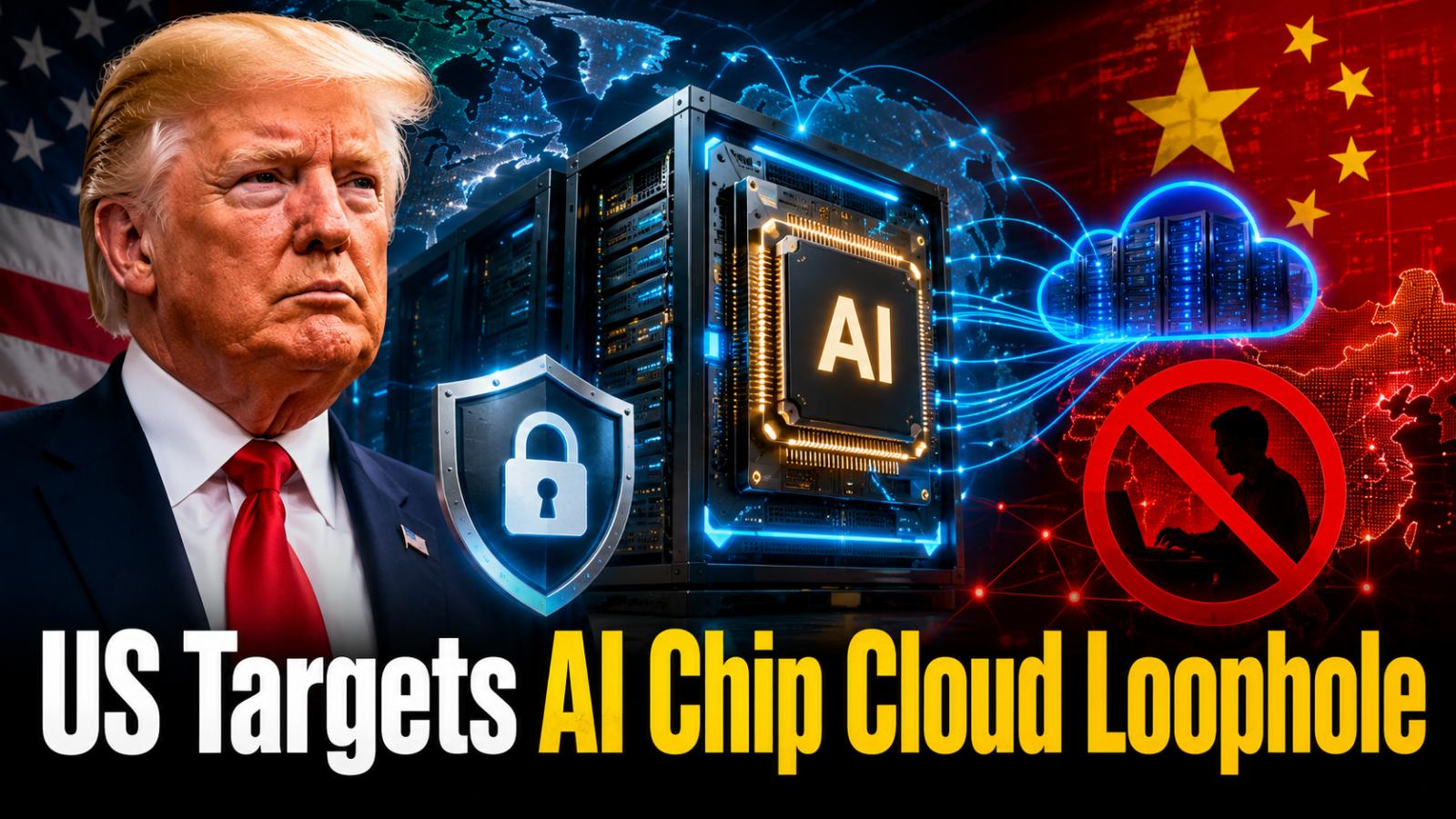
The AI chip cloud loophole has become a major challenge for US export policy after officials accused Moonshot AI of accessing restricted Nvidia GB300 systems outside China. Kimi K3’s strong performance has intensified debate over remote chip access, export controls and the Remote Access Security Act.
AI chip cloud loophole
US semiconductor restrictions were largely built around controlling ex
The AI chip cloud loophole has become a major challenge for US export policy after officials accused Moonshot AI of accessing restricted Nvidia GB300 systems outside China. Kimi K3’s strong performance has intensified debate over remote chip access, export controls and the Remote Access Security Act.
AI chip cloud loophole
US semiconductor restrictions were largely built around controlling ex
Artificial intelligence company Anthropic said on Thursday that it will not permit the Pentagon unrestricted access to its technology, pushing back against pressure from US officials who warned of possible action under the Defense Production Act. The dispute highlights growing tensions between private AI developers and the US government over how advanced systems should be deployed in military and intelligence operations.
According to the company, the Pentagon had given Anthropic a d
Artificial intelligence company Anthropic said on Thursday that it will not permit the Pentagon unrestricted access to its technology, pushing back against pressure from US officials who warned of possible action under the Defense Production Act. The dispute highlights growing tensions between private AI developers and the US government over how advanced systems should be deployed in military and intelligence operations.
According to the company, the Pentagon had given Anthropic a d
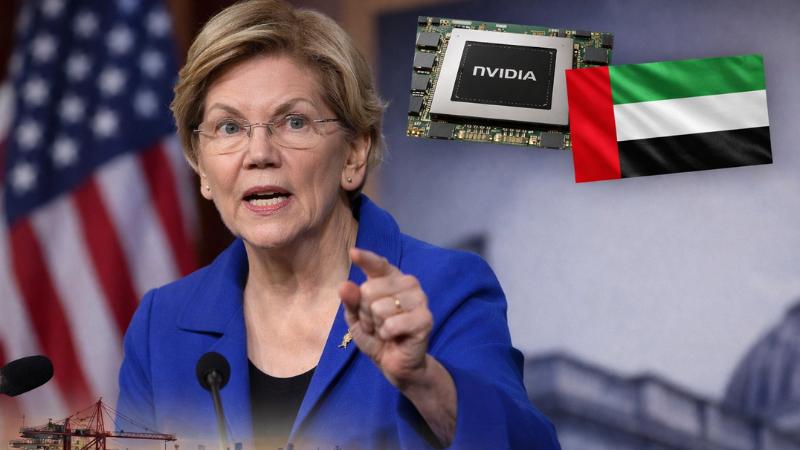
Sen. Elizabeth Warren of Massachusetts is preparing to introduce a Senate resolution that would formally condemn and seek the reversal of a proposed sale of 500,000 advanced artificial intelligence chips annually to the United Arab Emirates, arguing the transaction could threaten U.S. national security and raise serious ethical questions about conflicts of interest. The measure is expected to be brought to the Senate floor on Thursday, where Warren plans to call for lawmakers to block the exp
Sen. Elizabeth Warren of Massachusetts is preparing to introduce a Senate resolution that would formally condemn and seek the reversal of a proposed sale of 500,000 advanced artificial intelligence chips annually to the United Arab Emirates, arguing the transaction could threaten U.S. national security and raise serious ethical questions about conflicts of interest. The measure is expected to be brought to the Senate floor on Thursday, where Warren plans to call for lawmakers to block the exp
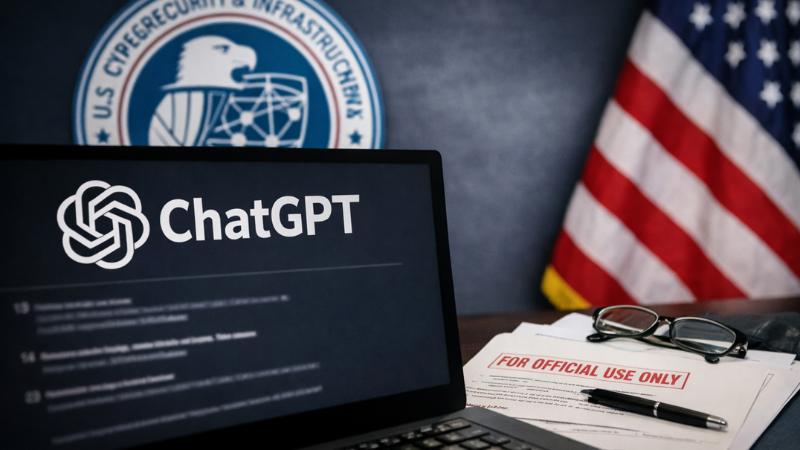
The US Cybersecurity and Infrastructure Security Agency has launched an internal review following the upload of sensitive contracting documents to a public version of ChatGPT by its acting director, according to officials familiar with the matter. The incident, which occurred last summer, triggered multiple automated security alerts within the Department of Homeland Security and has renewed scrutiny around the use of artificial intelligence tools inside federal agencies.
The documen
The US Cybersecurity and Infrastructure Security Agency has launched an internal review following the upload of sensitive contracting documents to a public version of ChatGPT by its acting director, according to officials familiar with the matter. The incident, which occurred last summer, triggered multiple automated security alerts within the Department of Homeland Security and has renewed scrutiny around the use of artificial intelligence tools inside federal agencies.
The documen
The Union government has sought additional information from social media platform X regarding the steps taken to address obscene and sexually explicit content linked to its artificial intelligence tool, Grok, and the measures planned to prevent similar incidents in the future, according to sources familiar with the matter. The request follows a detailed response submitted by the platform, which officials have assessed as insufficient in addressing key regulatory concerns.
Sources in
The Union government has sought additional information from social media platform X regarding the steps taken to address obscene and sexually explicit content linked to its artificial intelligence tool, Grok, and the measures planned to prevent similar incidents in the future, according to sources familiar with the matter. The request follows a detailed response submitted by the platform, which officials have assessed as insufficient in addressing key regulatory concerns.
Sources in
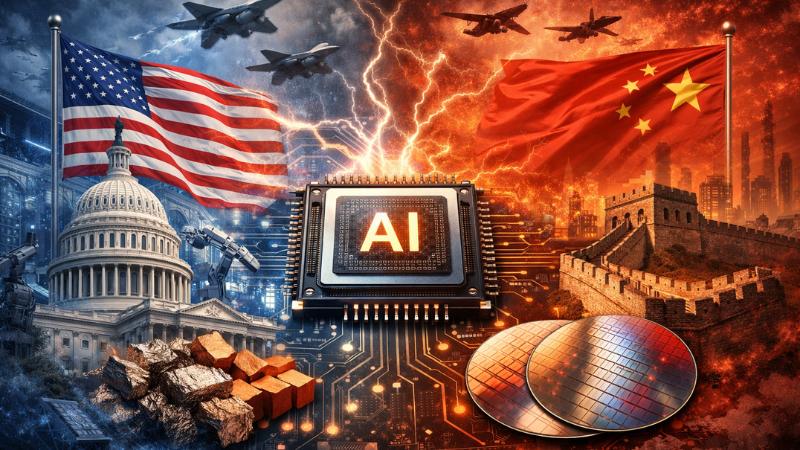
The strategic rivalry between the United States and China in the semiconductor sector continued to intensify throughout 2025, with export controls remaining a central instrument in what has come to be known as the global chip war. The dispute, rooted in concerns over national security, technological leadership and economic influence, significantly affected the semiconductor industry, global supply chains and investment decisions during the year.
At the start of 2025, the United States maintained restrictions on the export of advanced artificial intelligence chips and related technologies to China. These controls were designed to limit Beijing’s access to cutting-edge computing capabilities that could be applied to military and surveillance technologies. US officials defended the measures as necessary to protect national security interests, but the restrictions had immediate commercial consequences for American chipmakers with strong exposure to the Chinese market.
Companies producing high-performance AI chips, including industry leaders such as Nvidia, reported revenue pressures linked to reduced access to Chinese customers. The curbs also led to higher compliance costs and uncertainty over long-term market strategies. Industry executives warned that prolonged restrictions could weaken the global competitiveness of US firms while accelerating China’s efforts to develop independent semiconductor capabilities.
Policy signals shifted after Donald Trump assumed the US presidency in January. His administration moved to ease certain export controls on advanced AI chips for what were described as approved customers in China. Under the revised framework, sales of Nvidia’s H200 chip were permitted, subject to conditions that included profit-sharing arrangements with the US government. The adjustments were widely interpreted as an attempt to balance national security concerns with the commercial interests of American technology companies.
China responded to the US measures by criticising what it described as discriminatory semiconductor policies and urging Washington to reverse the controls. Beijing argued that the restrictions were disrupting global supply chains and undermining fair competition in the semiconductor industry. At the same time, Chinese authorities accelerated domestic initiatives aimed at strengthening the country’s chip manufacturing ecosystem and reducing reliance on foreign suppliers.
As part of its response, China imposed export controls on several rare earth elements, materials that are essential for semiconductor production and advanced electronics. China holds a dominant position in the global rare earth supply, making these measures a powerful lever in the broader technology competition. The restrictions heightened concerns among manufacturers worldwide about material availability and supply chain resilience.
The prolonged US-China chip war had ripple effects across global markets. American and allied semiconductor firms experienced volatility in revenues and share prices as companies reassessed exposure to geopolitical risk. Investment patterns shifted as manufacturers sought to diversify production and sourcing to reduce dependence on any single market. Chinese technology firms increasingly turned to domestic suppliers, accelerating efforts to replace restricted foreign components with locally developed alternatives.
In parallel, the United States expanded its focus on strengthening domestic semiconductor production through subsidy programmes under the CHIPS Act. The initiative supported the construction of new fabrication plants and aimed to secure long-term technological leadership by rebuilding advanced manufacturing capacity within the country.
By late 2025, both Washington and Beijing took limited steps to ease tensions, agreeing to suspend certain rare earth export controls. While the move signalled a willingness to manage escalation, the underlying competition in advanced chip technologies remained unresolved. The year underscored how deeply the semiconductor rivalry has become embedded in global trade, industrial policy and national security calculations, with lasting implications for the future of the technology sector.
The strategic rivalry between the United States and China in the semiconductor sector continued to intensify throughout 2025, with export controls remaining a central instrument in what has come to be known as the global chip war. The dispute, rooted in concerns over national security, technological leadership and economic influence, significantly affected the semiconductor industry, global supply chains and investment decisions during the year.
At the start of 2025, the United States maintained restrictions on the export of advanced artificial intelligence chips and related technologies to China. These controls were designed to limit Beijing’s access to cutting-edge computing capabilities that could be applied to military and surveillance technologies. US officials defended the measures as necessary to protect national security interests, but the restrictions had immediate commercial consequences for American chipmakers with strong exposure to the Chinese market.
Companies producing high-performance AI chips, including industry leaders such as Nvidia, reported revenue pressures linked to reduced access to Chinese customers. The curbs also led to higher compliance costs and uncertainty over long-term market strategies. Industry executives warned that prolonged restrictions could weaken the global competitiveness of US firms while accelerating China’s efforts to develop independent semiconductor capabilities.
Policy signals shifted after Donald Trump assumed the US presidency in January. His administration moved to ease certain export controls on advanced AI chips for what were described as approved customers in China. Under the revised framework, sales of Nvidia’s H200 chip were permitted, subject to conditions that included profit-sharing arrangements with the US government. The adjustments were widely interpreted as an attempt to balance national security concerns with the commercial interests of American technology companies.
China responded to the US measures by criticising what it described as discriminatory semiconductor policies and urging Washington to reverse the controls. Beijing argued that the restrictions were disrupting global supply chains and undermining fair competition in the semiconductor industry. At the same time, Chinese authorities accelerated domestic initiatives aimed at strengthening the country’s chip manufacturing ecosystem and reducing reliance on foreign suppliers.
As part of its response, China imposed export controls on several rare earth elements, materials that are essential for semiconductor production and advanced electronics. China holds a dominant position in the global rare earth supply, making these measures a powerful lever in the broader technology competition. The restrictions heightened concerns among manufacturers worldwide about material availability and supply chain resilience.
The prolonged US-China chip war had ripple effects across global markets. American and allied semiconductor firms experienced volatility in revenues and share prices as companies reassessed exposure to geopolitical risk. Investment patterns shifted as manufacturers sought to diversify production and sourcing to reduce dependence on any single market. Chinese technology firms increasingly turned to domestic suppliers, accelerating efforts to replace restricted foreign components with locally developed alternatives.
In parallel, the United States expanded its focus on strengthening domestic semiconductor production through subsidy programmes under the CHIPS Act. The initiative supported the construction of new fabrication plants and aimed to secure long-term technological leadership by rebuilding advanced manufacturing capacity within the country.
By late 2025, both Washington and Beijing took limited steps to ease tensions, agreeing to suspend certain rare earth export controls. While the move signalled a willingness to manage escalation, the underlying competition in advanced chip technologies remained unresolved. The year underscored how deeply the semiconductor rivalry has become embedded in global trade, industrial policy and national security calculations, with lasting implications for the future of the technology sector.
Washington, D.C. — City transportation officials are urging caution as pressure mounts to approve autonomous food delivery robots on District sidewalks. Despite growing interest from technology firms eager to deploy their devices across Washington, the D.C. Department of Transportation (DDOT) says it will not rush to authorize the new technology without first addressing safety, accessibility, and regulatory concerns.
At a Wednesday hearing before the D.C. Council’s Committee on
Washington, D.C. — City transportation officials are urging caution as pressure mounts to approve autonomous food delivery robots on District sidewalks. Despite growing interest from technology firms eager to deploy their devices across Washington, the D.C. Department of Transportation (DDOT) says it will not rush to authorize the new technology without first addressing safety, accessibility, and regulatory concerns.
At a Wednesday hearing before the D.C. Council’s Committee on