Escalating diplomatic tensions after Tehran strike
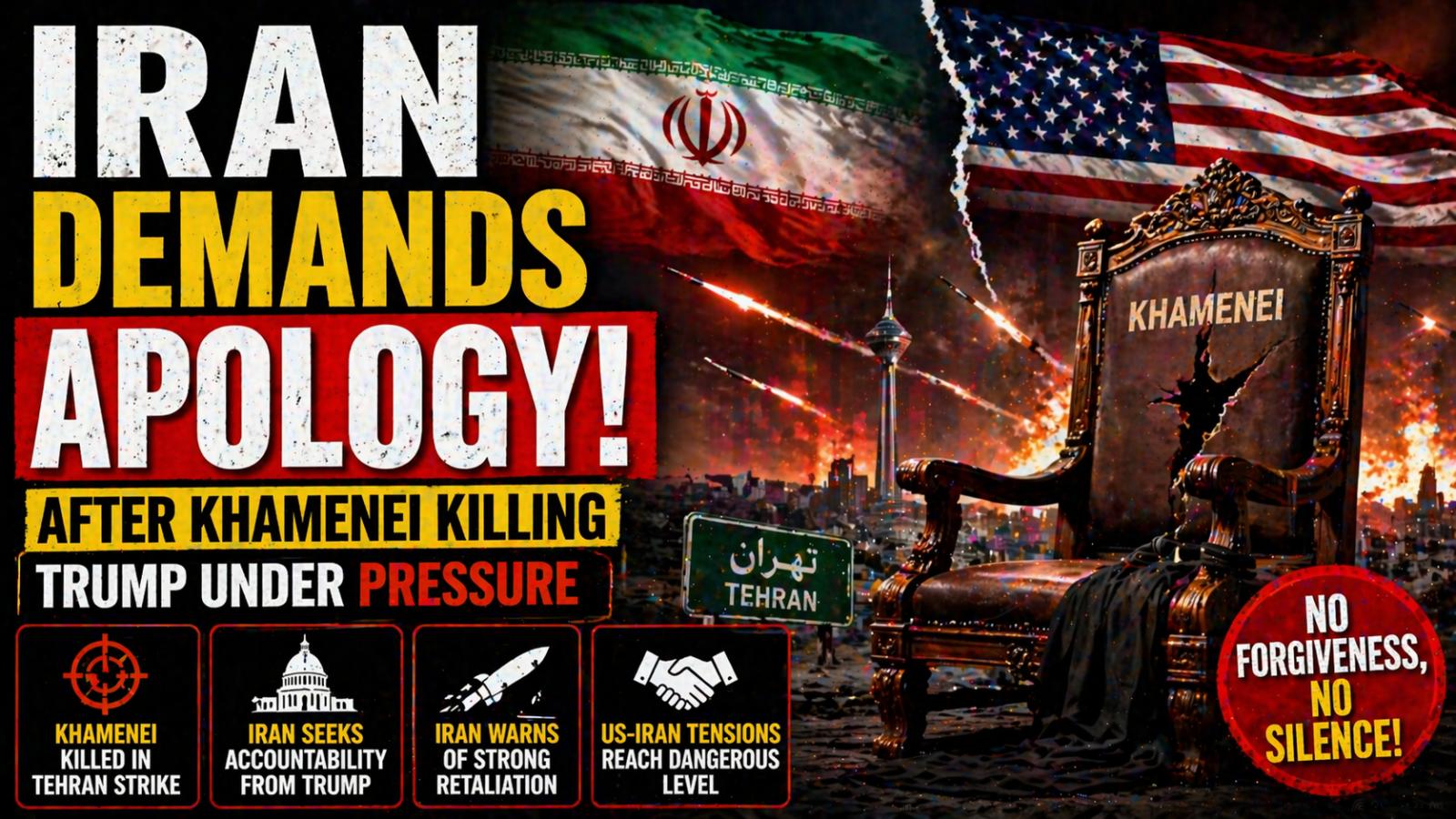
Why did Ali Shirazi demand an apology from Donald Trump? Iran seeks accountability after Khamenei killing, as senior Iranian cleric Ali Shirazi called on U.S. President Donald Trump to publicly acknowledge wrongdoing following t
Escalating diplomatic tensions after Tehran strike
Why did Ali Shirazi demand an apology from Donald Trump? Iran seeks accountability after Khamenei killing, as senior Iranian cleric Ali Shirazi called on U.S. President Donald Trump to publicly acknowledge wrongdoing following t
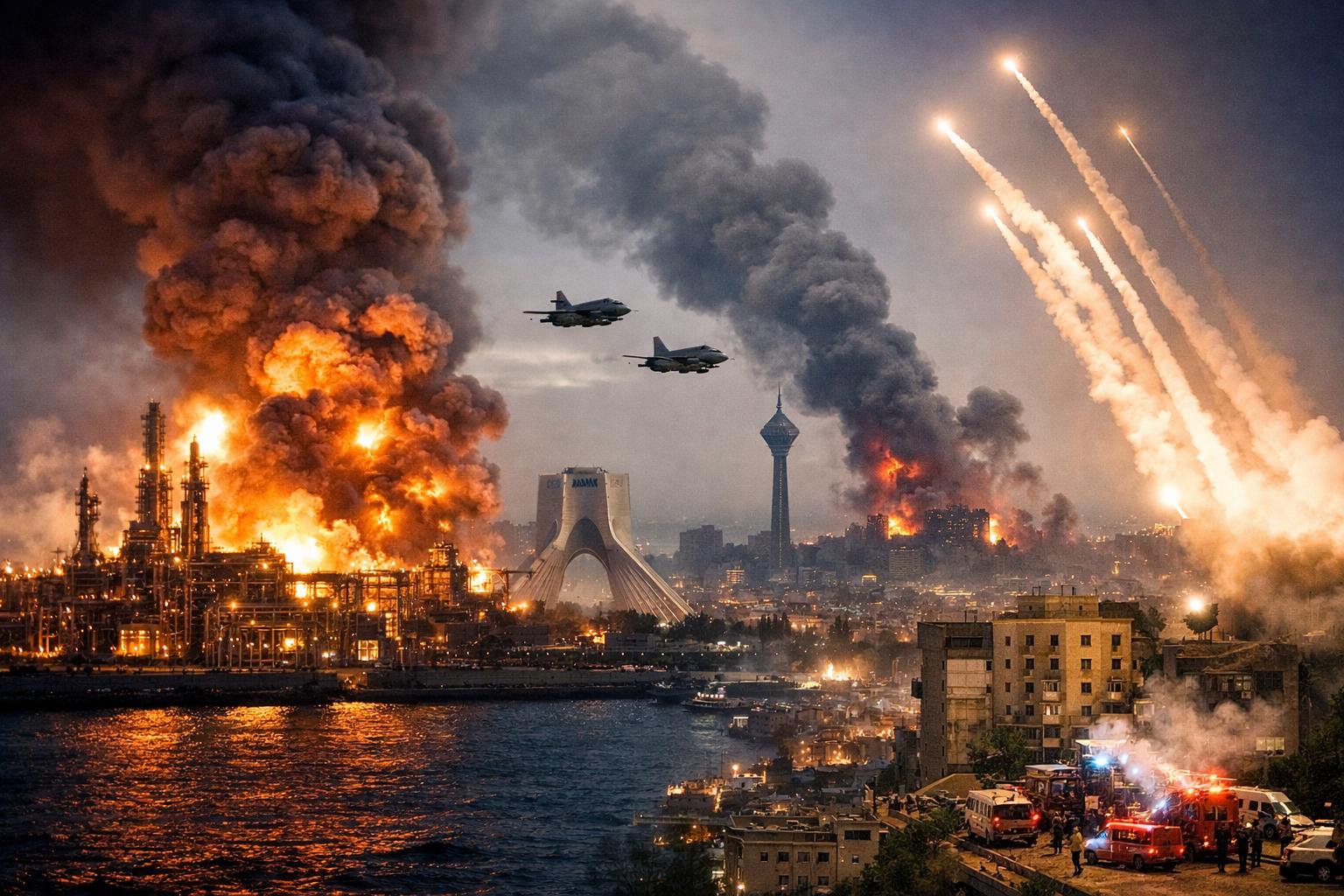
DUBAI, United Arab Emirates — Israel carried out a major strike on Iran’s South Pars natural gas field, targeting a key petrochemical facility that accounts for a significant portion of the country’s production, in an escalation that threatens ongoing efforts to broker a ceasefire between Tehran and Washington. Israeli officials confirmed the operation, describing it as a decisive blow to Iran’s energy infrastructure, while warning that further actions could follow despite diplomatic neg
DUBAI, United Arab Emirates — Israel carried out a major strike on Iran’s South Pars natural gas field, targeting a key petrochemical facility that accounts for a significant portion of the country’s production, in an escalation that threatens ongoing efforts to broker a ceasefire between Tehran and Washington. Israeli officials confirmed the operation, describing it as a decisive blow to Iran’s energy infrastructure, while warning that further actions could follow despite diplomatic neg
The ongoing conflict involving the United States, Israel, and Iran is nearing the one-month mark, with hostilities continuing to escalate across multiple fronts. Despite renewed claims of diplomatic engagement, military operations remain active, contributing to rising casualties and increasing uncertainty across the region.
US President Donald Trump recently stated that discussions with Iran are ongoing, suggesting the possibility of a diplomatic breakthrough. However, Iranian authorities have dismissed such claims, describing reports of negotiations as misleading and intended to influence global oil and financial markets. The conflicting narratives have further complicated the geopolitical landscape, as both sides continue to pursue military strategies alongside public statements on diplomacy.
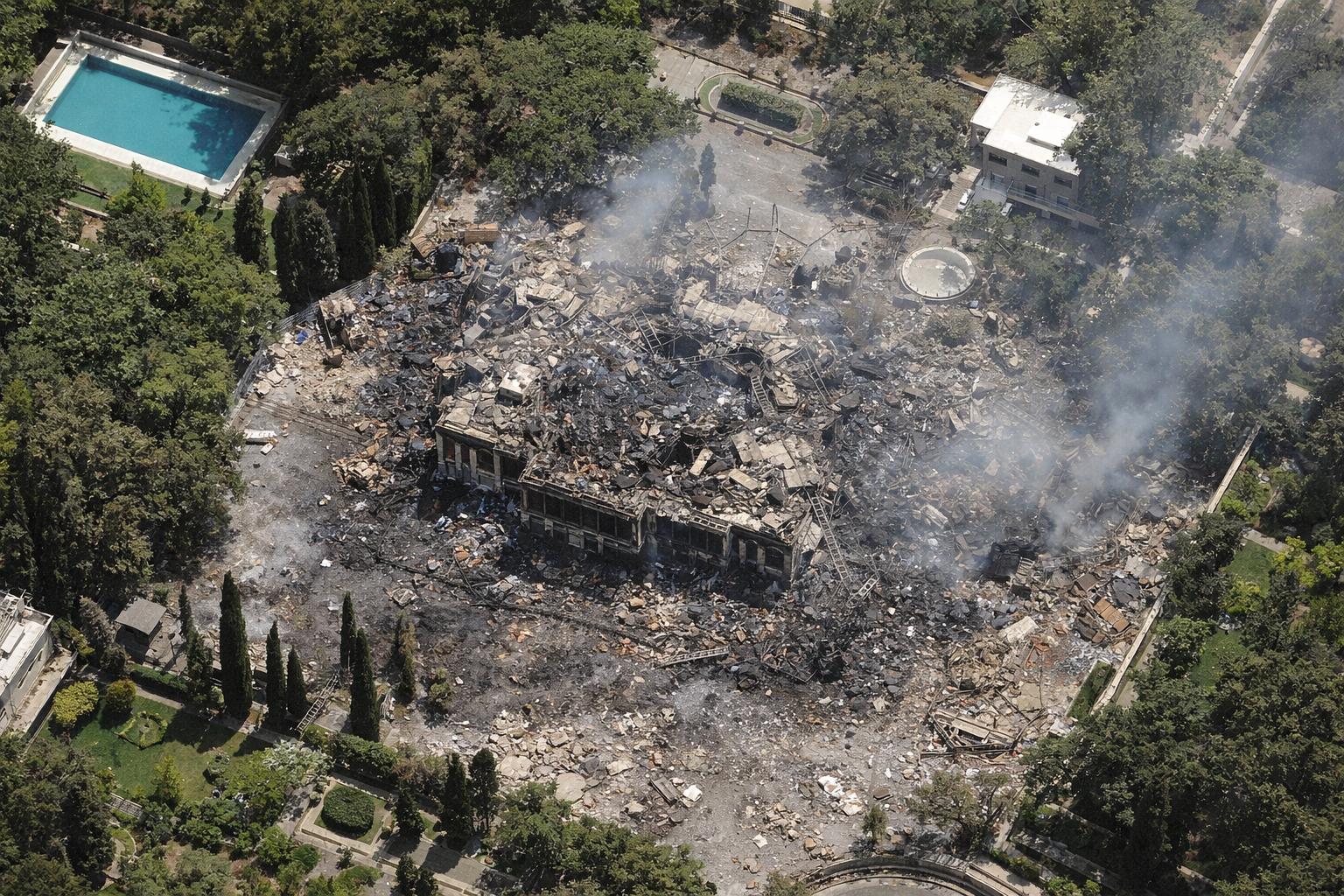
Recent strikes have intensified within Iran, including an attack in southern Tehran that resulted in at least 12 fatalities and left 28 others injured. These developments underscore the continued volatility within Iranian territory, as Israeli and US operations target strategic locations amid the broader confrontation.
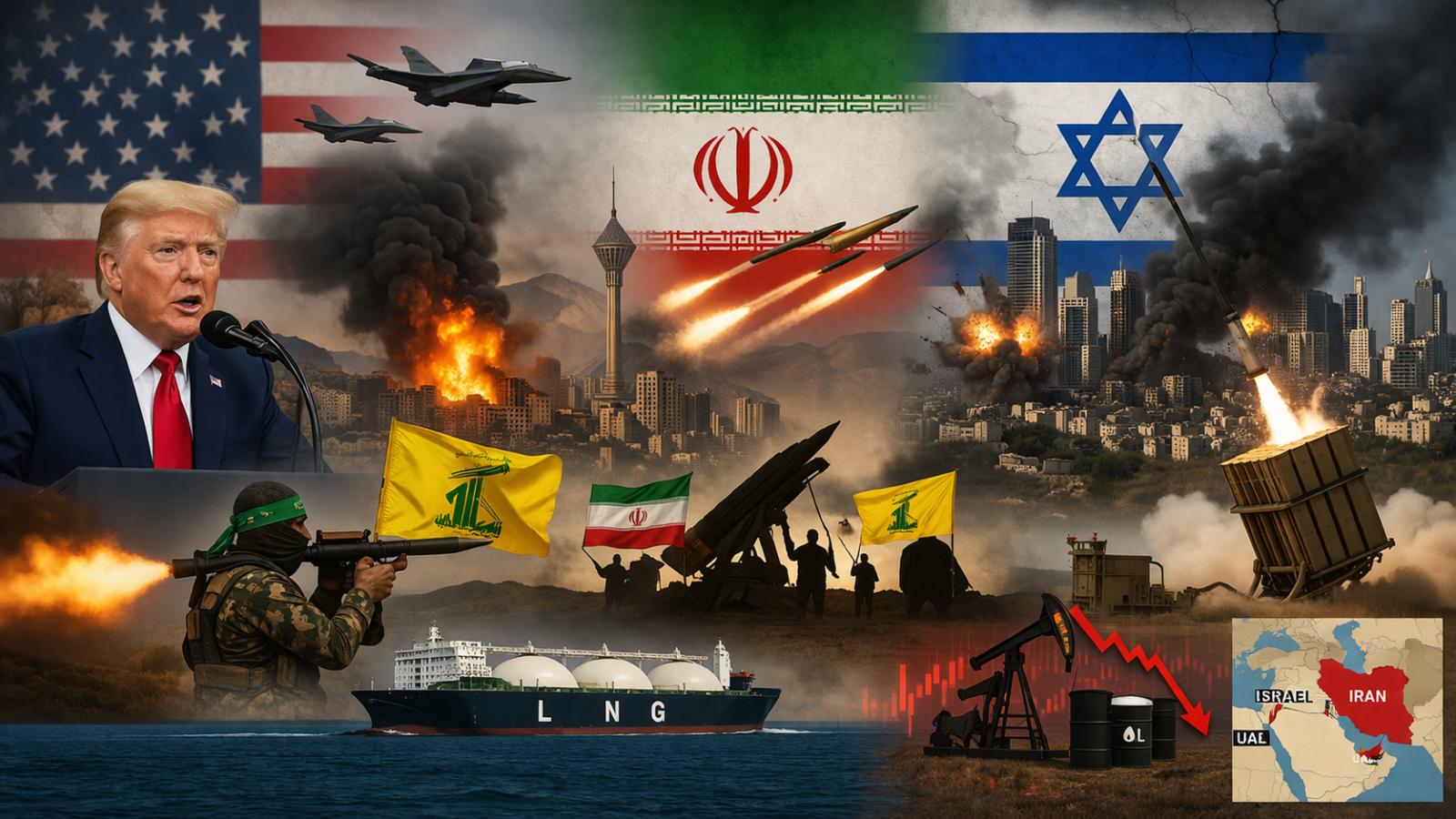
In response, Iran and its ally Hezbollah have launched a fresh wave of missile attacks targeting Israeli cities, including Tel Aviv and areas in the north. The strikes have caused civilian casualties, with at least one reported death and multiple injuries. Israel has simultaneously expanded its military operations in southern Lebanon, following indications of a plan to establish control up to the Litani River. Reports indicate that at least 33 people have been killed in recent bombardments in the region.
The conflict has also extended beyond immediate battle zones, affecting regional stability and international economic interests. The United Arab Emirates confirmed that a Moroccan national working with its armed forces in Bahrain was killed during an Iranian attack, with additional personnel reported injured. Meanwhile, QatarEnergy has declared force majeure on several liquefied natural gas contracts, impacting supply agreements with countries including Italy, Belgium, South Korea, and China.
As military actions continue alongside disputed diplomatic signals, the conflict is increasingly influencing global energy markets and geopolitical dynamics, raising concerns about further escalation and broader economic consequences.
The ongoing conflict involving the United States, Israel, and Iran is nearing the one-month mark, with hostilities continuing to escalate across multiple fronts. Despite renewed claims of diplomatic engagement, military operations remain active, contributing to rising casualties and increasing uncertainty across the region.
US President Donald Trump recently stated that discussions with Iran are ongoing, suggesting the possibility of a diplomatic breakthrough. However, Iranian authorities have dismissed such claims, describing reports of negotiations as misleading and intended to influence global oil and financial markets. The conflicting narratives have further complicated the geopolitical landscape, as both sides continue to pursue military strategies alongside public statements on diplomacy.
Recent strikes have intensified within Iran, including an attack in southern Tehran that resulted in at least 12 fatalities and left 28 others injured. These developments underscore the continued volatility within Iranian territory, as Israeli and US operations target strategic locations amid the broader confrontation.
In response, Iran and its ally Hezbollah have launched a fresh wave of missile attacks targeting Israeli cities, including Tel Aviv and areas in the north. The strikes have caused civilian casualties, with at least one reported death and multiple injuries. Israel has simultaneously expanded its military operations in southern Lebanon, following indications of a plan to establish control up to the Litani River. Reports indicate that at least 33 people have been killed in recent bombardments in the region.
The conflict has also extended beyond immediate battle zones, affecting regional stability and international economic interests. The United Arab Emirates confirmed that a Moroccan national working with its armed forces in Bahrain was killed during an Iranian attack, with additional personnel reported injured. Meanwhile, QatarEnergy has declared force majeure on several liquefied natural gas contracts, impacting supply agreements with countries including Italy, Belgium, South Korea, and China.
As military actions continue alongside disputed diplomatic signals, the conflict is increasingly influencing global energy markets and geopolitical dynamics, raising concerns about further escalation and broader economic consequences.
Iranian President Masoud Pezeshkian has confirmed the death of Intelligence Minister Esmail Khatib following an Israeli airstrike in Tehran, describing the incident as a “cowardly assassination” that has intensified tensions in an already volatile Middle East conflict. The confirmation came on Wednesday,
Iranian President Masoud Pezeshkian has confirmed the death of Intelligence Minister Esmail Khatib following an Israeli airstrike in Tehran, describing the incident as a “cowardly assassination” that has intensified tensions in an already volatile Middle East conflict. The confirmation came on Wednesday,
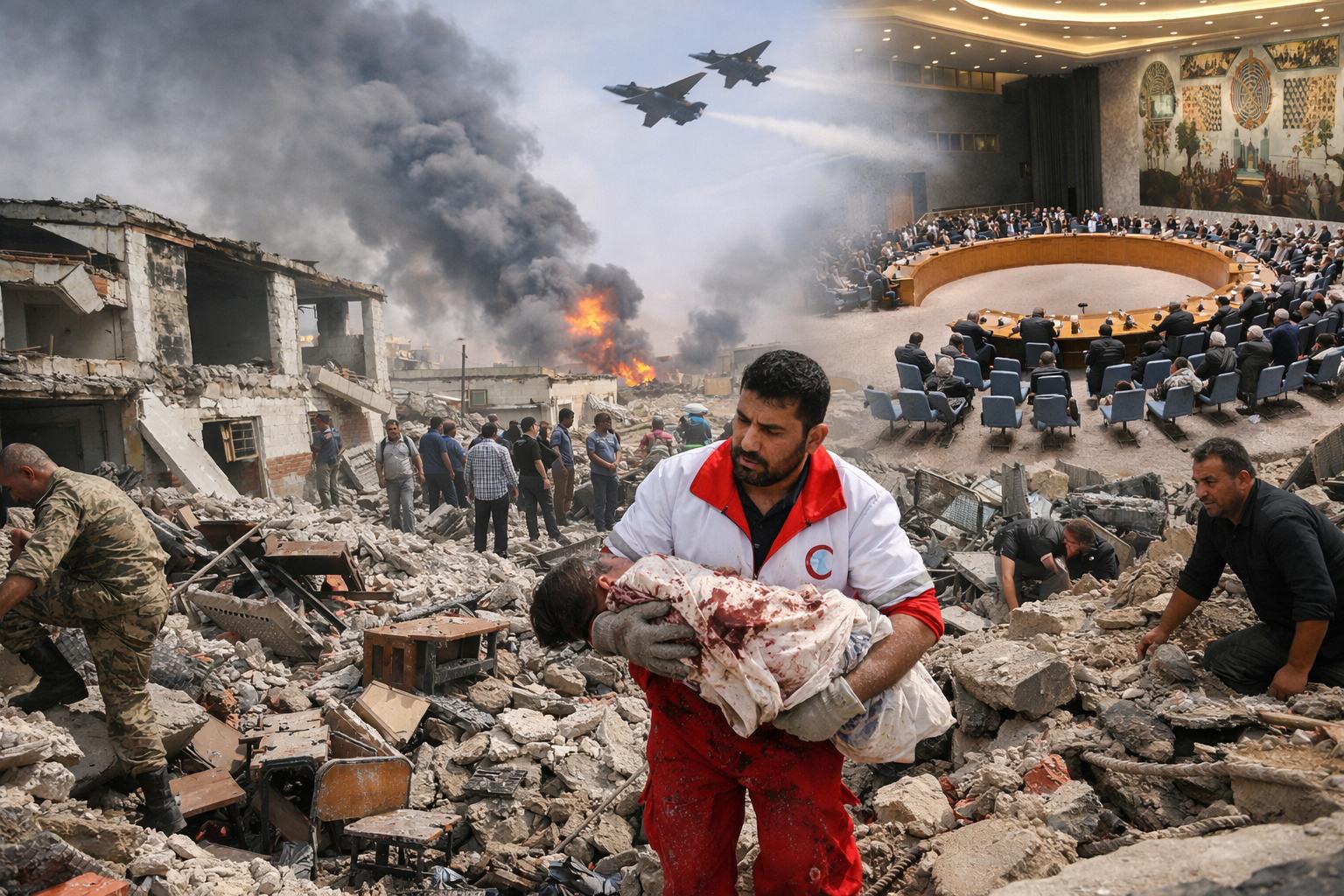
Iranian President Masoud Pezeshkian strongly condemned what he described as a barbaric attack on a school in southern Iran on Saturday, following a series of strikes carried out by the United States and Israel that have intensified the ongoing conflict in the Middle East. In an official statement, Pezeshkian said the incident marked another dark chapter in what he called a pattern of aggression against the country, and warned that the violence could further destabilize the region. According to Iranian authorities, at least 63 people were killed in the attack, with dozens more injured, making it one of the deadliest incidents reported since the latest escalation began.
Israeli officials stated that the strikes were aimed at high-level targets connected to Iran’s leadership and military planning. A military spokesperson said multiple locations where senior Iranian figures had gathered were hit simultaneously, resulting in the elimination of individuals considered critical to the country’s campaign management and governance. The strikes were described as part of a broader effort to weaken Iran’s operational capabilities, though details about those killed were not immediately confirmed by independent sources.
The developments prompted urgent diplomatic activity at the United Nations, where the security council scheduled an emergency session in New York to address the growing crisis. Diplomats said the meeting was requested by several member states, including Russia and China, who described the strikes as an act of armed aggression and called for immediate international discussion. France, Bahrain, and Colombia also supported the request, reflecting widespread concern over the risk of a wider regional war.
United Nations Secretary-General Antonio Guterres is expected to address the council and has already urged all sides to halt military actions. In a statement issued earlier, he warned that continued use of force could undermine international peace and security and lead to severe consequences for civilians across the Middle East. Guterres called for an immediate ceasefire and a return to diplomatic negotiations, stressing that only dialogue could prevent the conflict from expanding further and threatening global stability.
Iranian President Masoud Pezeshkian strongly condemned what he described as a barbaric attack on a school in southern Iran on Saturday, following a series of strikes carried out by the United States and Israel that have intensified the ongoing conflict in the Middle East. In an official statement, Pezeshkian said the incident marked another dark chapter in what he called a pattern of aggression against the country, and warned that the violence could further destabilize the region. According to Iranian authorities, at least 63 people were killed in the attack, with dozens more injured, making it one of the deadliest incidents reported since the latest escalation began.
Israeli officials stated that the strikes were aimed at high-level targets connected to Iran’s leadership and military planning. A military spokesperson said multiple locations where senior Iranian figures had gathered were hit simultaneously, resulting in the elimination of individuals considered critical to the country’s campaign management and governance. The strikes were described as part of a broader effort to weaken Iran’s operational capabilities, though details about those killed were not immediately confirmed by independent sources.
The developments prompted urgent diplomatic activity at the United Nations, where the security council scheduled an emergency session in New York to address the growing crisis. Diplomats said the meeting was requested by several member states, including Russia and China, who described the strikes as an act of armed aggression and called for immediate international discussion. France, Bahrain, and Colombia also supported the request, reflecting widespread concern over the risk of a wider regional war.
United Nations Secretary-General Antonio Guterres is expected to address the council and has already urged all sides to halt military actions. In a statement issued earlier, he warned that continued use of force could undermine international peace and security and lead to severe consequences for civilians across the Middle East. Guterres called for an immediate ceasefire and a return to diplomatic negotiations, stressing that only dialogue could prevent the conflict from expanding further and threatening global stability.
The United States and Israel have launched large-scale military strikes on Iran, triggering a rapid escalation that has pushed West Asia toward a wider conflict. US President Donald Trump announced the start of major combat operations, while calling on the Iranian public to oppose their leadership. Within hours, Iran responded with missile attacks targeting Israeli positions and US military facilities across the region, raising fears of a prolonged confrontation.
Explosions were reported in
The United States and Israel have launched large-scale military strikes on Iran, triggering a rapid escalation that has pushed West Asia toward a wider conflict. US President Donald Trump announced the start of major combat operations, while calling on the Iranian public to oppose their leadership. Within hours, Iran responded with missile attacks targeting Israeli positions and US military facilities across the region, raising fears of a prolonged confrontation.
Explosions were reported in
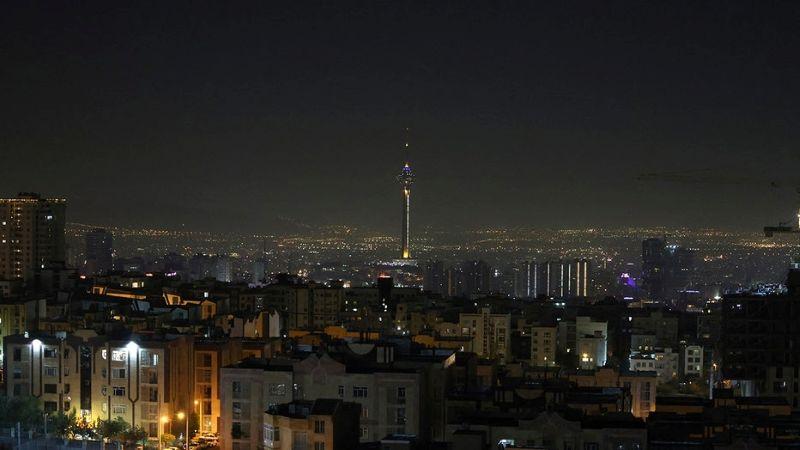
Israel launched a surprise military strike on Iran’s capital, Tehran, early Friday, with multiple explosions heard across the city. The dramatic escalation came as Israeli forces reportedly targeted Iran’s nuclear and military infrastructure. According to Israeli officials, the operation was aimed at key enrichment facilities, nuclear scientists, and Iran’s ballistic missile program.
State TV in Ira
Israel launched a surprise military strike on Iran’s capital, Tehran, early Friday, with multiple explosions heard across the city. The dramatic escalation came as Israeli forces reportedly targeted Iran’s nuclear and military infrastructure. According to Israeli officials, the operation was aimed at key enrichment facilities, nuclear scientists, and Iran’s ballistic missile program.
State TV in Ira