#tradedeficit
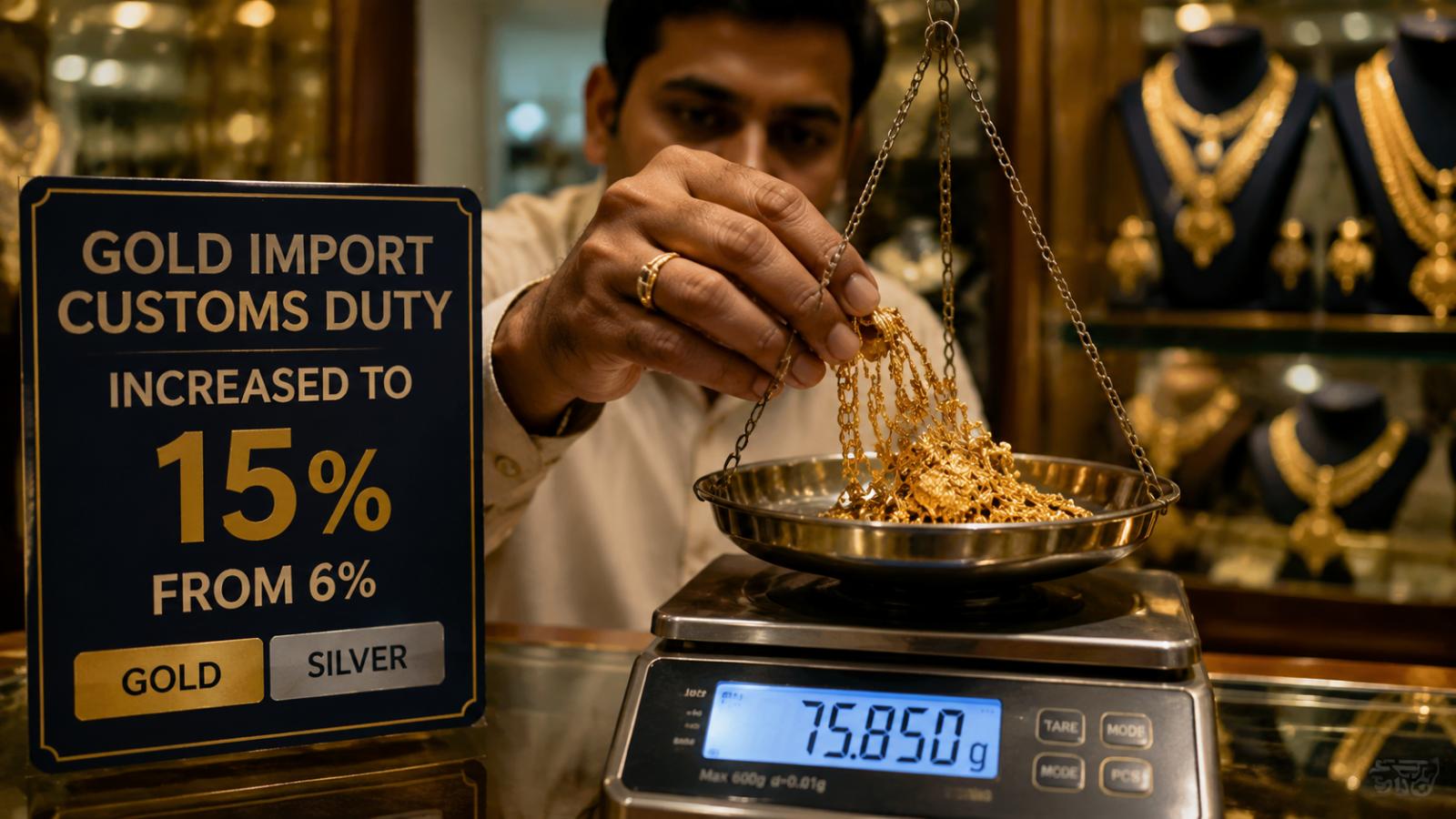
Gold, Silver Imports to Cost More After Government Hikes Customs Duty to 15%
The Indian government has raised the import duties on gold and silver sharply, setting the new rates at 15% from the previous 6%. This move comes just days after Prime Minister Narendra Modi urged the public to avoid purchasing gold for the next year, in response to the growing economic strain caused by the Iran war and the pressure on India's foreign exchange reserves. The government's decision involves a 10% basic customs duty along with an additional 5% Agriculture Infrastructure
Gold, Silver Imports to Cost More After Government Hikes Customs Duty to 15%
The Indian government has raised the import duties on gold and silver sharply, setting the new rates at 15% from the previous 6%. This move comes just days after Prime Minister Narendra Modi urged the public to avoid purchasing gold for the next year, in response to the growing economic strain caused by the Iran war and the pressure on India's foreign exchange reserves. The government's decision involves a 10% basic customs duty along with an additional 5% Agriculture Infrastructure
What caused U.K. exports to the U.S. to fall? Tariffs cut goods by nearly 25%
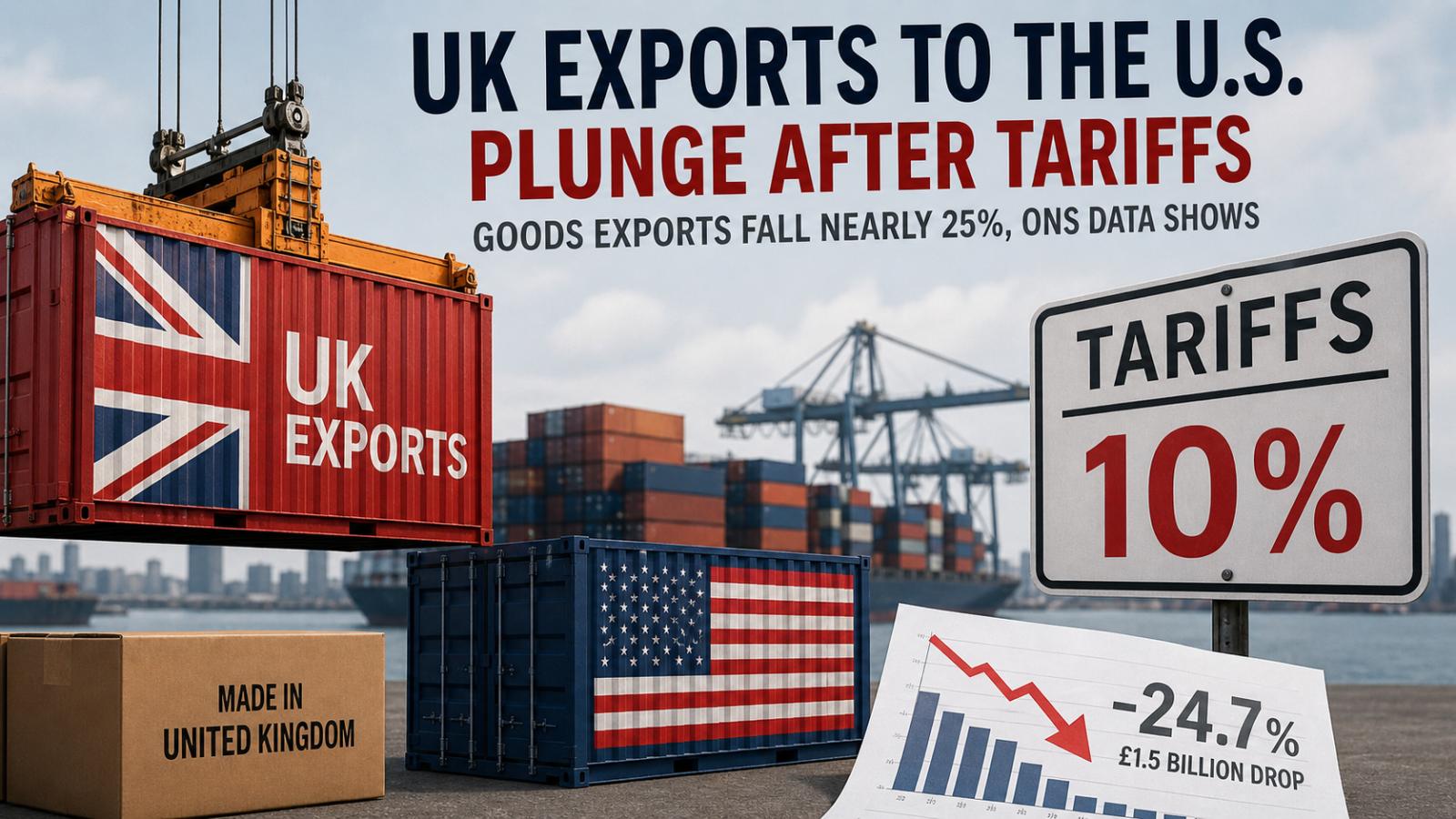
Tariffs trigger sharp decline in U.K. exports to the U.S. What caused U.K. exports to the U.S. to fall? Tariffs cut goods by nearly 25% as official data shows a steep decline in trade flows following sweeping tariff measures. According to figures released Friday by the Office for National Statistics, goods exports from the United Kingdom to the United States dropped by £1.5 billion, marking a 24.7% decrease after tariffs were introduced. The data, which excludes precious metals, highlights the immediate and sustained impact of trade policy changes initiated under Donald Trump. The tariffs, introduced as part of a broader “liberation day” strategy, disrupted established trading patterns between the two countries, which had previously benefited from largely tariff-free exchanges. Automotive and key sectors remain below pre-tariff levels The downturn has been particularly evident in the automotive sector, where U.K. car exports to the U.S. have remained below pre-tariff levels for the 12 months since April 2025. Analysts note that the continued weakness reflects both higher costs and reduced competitiveness in the American market. While exports have struggled, imports from the United States into the U.K. increased at the beginning of 2026. This imbalance has resulted in a trade deficit for three consecutive months, underscoring the broader economic consequences of the tariff regime on bilateral trade. Trade deal reshapes transatlantic economic ties The United Kingdom was the first nation to secure a post-tariff trade agreement with the U.S., following the introduction of the new measures. The deal included a 10% blanket tariff on goods entering the American market, effectively ending the previous zero-tariff environment that had benefited exporters on both sides. The new framework also imposed duties on key British exports, including Scotch whisky and other spirits. However, in a recent development, Trump announced plans to remove tariffs on Scotch whisky “in honor” of King Charles III and Queen Camilla following their state visit. Despite this move, industry experts caution that relief in one sector is unlikely to offset broader trade declines. Economic pressures weigh on exporters and growth outlook Economists warn that the sustained drop in exports could have wider implications for the U.K. economy. The United States remains the country’s largest export market, making the scale of the downturn particularly significant. Samuel Edwards, head of client portfolio management at Ebury, said exporters are facing mounting challenges. He pointed to a combination of higher trading costs from tariffs, increased employment expenses, and rising input prices, all of which are squeezing profit margins. These overlapping pressures are making it more difficult for U.K. businesses to remain competitive internationally, raising concerns about long-term growth and stability in the evolving global trade environment.
What caused U.K. exports to the U.S. to fall? Tariffs cut goods by nearly 25%
Tariffs trigger sharp decline in U.K. exports to the U.S. What caused U.K. exports to the U.S. to fall? Tariffs cut goods by nearly 25% as official data shows a steep decline in trade flows following sweeping tariff measures. According to figures released Friday by the Office for National Statistics, goods exports from the United Kingdom to the United States dropped by £1.5 billion, marking a 24.7% decrease after tariffs were introduced. The data, which excludes precious metals, highlights the immediate and sustained impact of trade policy changes initiated under Donald Trump. The tariffs, introduced as part of a broader “liberation day” strategy, disrupted established trading patterns between the two countries, which had previously benefited from largely tariff-free exchanges. Automotive and key sectors remain below pre-tariff levels The downturn has been particularly evident in the automotive sector, where U.K. car exports to the U.S. have remained below pre-tariff levels for the 12 months since April 2025. Analysts note that the continued weakness reflects both higher costs and reduced competitiveness in the American market. While exports have struggled, imports from the United States into the U.K. increased at the beginning of 2026. This imbalance has resulted in a trade deficit for three consecutive months, underscoring the broader economic consequences of the tariff regime on bilateral trade. Trade deal reshapes transatlantic economic ties The United Kingdom was the first nation to secure a post-tariff trade agreement with the U.S., following the introduction of the new measures. The deal included a 10% blanket tariff on goods entering the American market, effectively ending the previous zero-tariff environment that had benefited exporters on both sides. The new framework also imposed duties on key British exports, including Scotch whisky and other spirits. However, in a recent development, Trump announced plans to remove tariffs on Scotch whisky “in honor” of King Charles III and Queen Camilla following their state visit. Despite this move, industry experts caution that relief in one sector is unlikely to offset broader trade declines. Economic pressures weigh on exporters and growth outlook Economists warn that the sustained drop in exports could have wider implications for the U.K. economy. The United States remains the country’s largest export market, making the scale of the downturn particularly significant. Samuel Edwards, head of client portfolio management at Ebury, said exporters are facing mounting challenges. He pointed to a combination of higher trading costs from tariffs, increased employment expenses, and rising input prices, all of which are squeezing profit margins. These overlapping pressures are making it more difficult for U.K. businesses to remain competitive internationally, raising concerns about long-term growth and stability in the evolving global trade environment.
Trump moves to ease grocery costs with food tariff exemptions
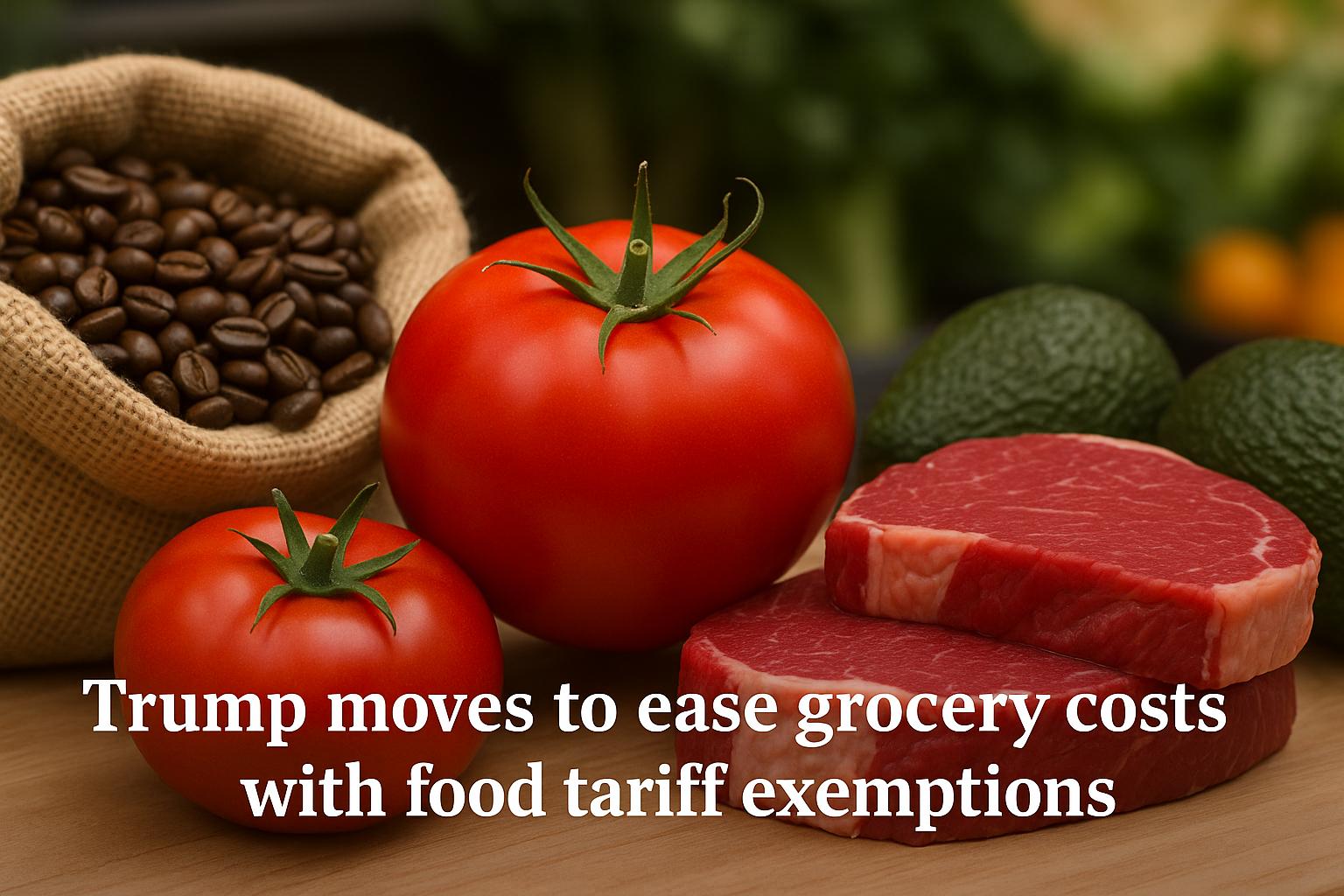
US President Donald Trump has issued an executive order removing import tariffs on a broad selection of food products in an effort to curb rising grocery costs and ease pressure on consumers. The decision marks one of the most significant adjustments to his trade policy since tariffs were introduced as a central feature of his economic agenda. The order comes at a moment when Americans have voiced growing frustration over inflation, particularly food prices, following last we
Trump moves to ease grocery costs with food tariff exemptions
US President Donald Trump has issued an executive order removing import tariffs on a broad selection of food products in an effort to curb rising grocery costs and ease pressure on consumers. The decision marks one of the most significant adjustments to his trade policy since tariffs were introduced as a central feature of his economic agenda. The order comes at a moment when Americans have voiced growing frustration over inflation, particularly food prices, following last we
Trump slams India over one-sided trade ties amid Modi’s China visit
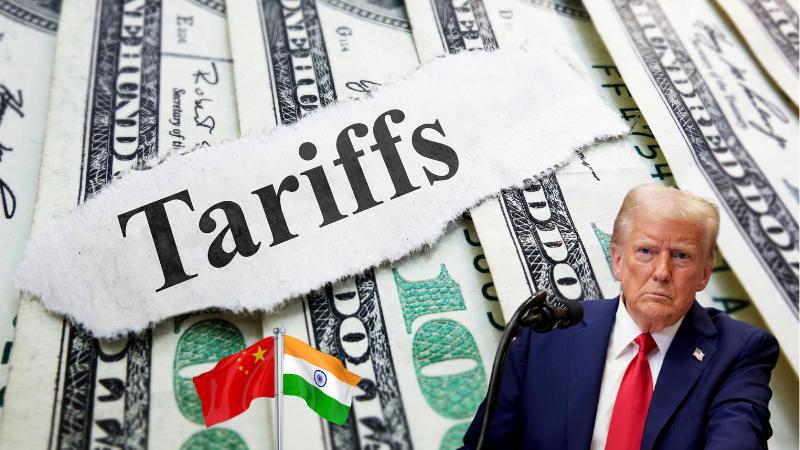
US President Donald Trump has once again turned his attention toward India, accusing New Delhi of exploiting the United States through what he described as a “one-sided disaster” in trade relations. His remarks come as Prime Minister Narendra Modi attends the Shanghai Cooperation Organisation summit in China, where he is seen engaging with leaders such as Xi Jinping and Vladimir Putin in a show of strategic camaraderie. Trump, writing on his social platform, argued that
Trump slams India over one-sided trade ties amid Modi’s China visit
US President Donald Trump has once again turned his attention toward India, accusing New Delhi of exploiting the United States through what he described as a “one-sided disaster” in trade relations. His remarks come as Prime Minister Narendra Modi attends the Shanghai Cooperation Organisation summit in China, where he is seen engaging with leaders such as Xi Jinping and Vladimir Putin in a show of strategic camaraderie. Trump, writing on his social platform, argued that