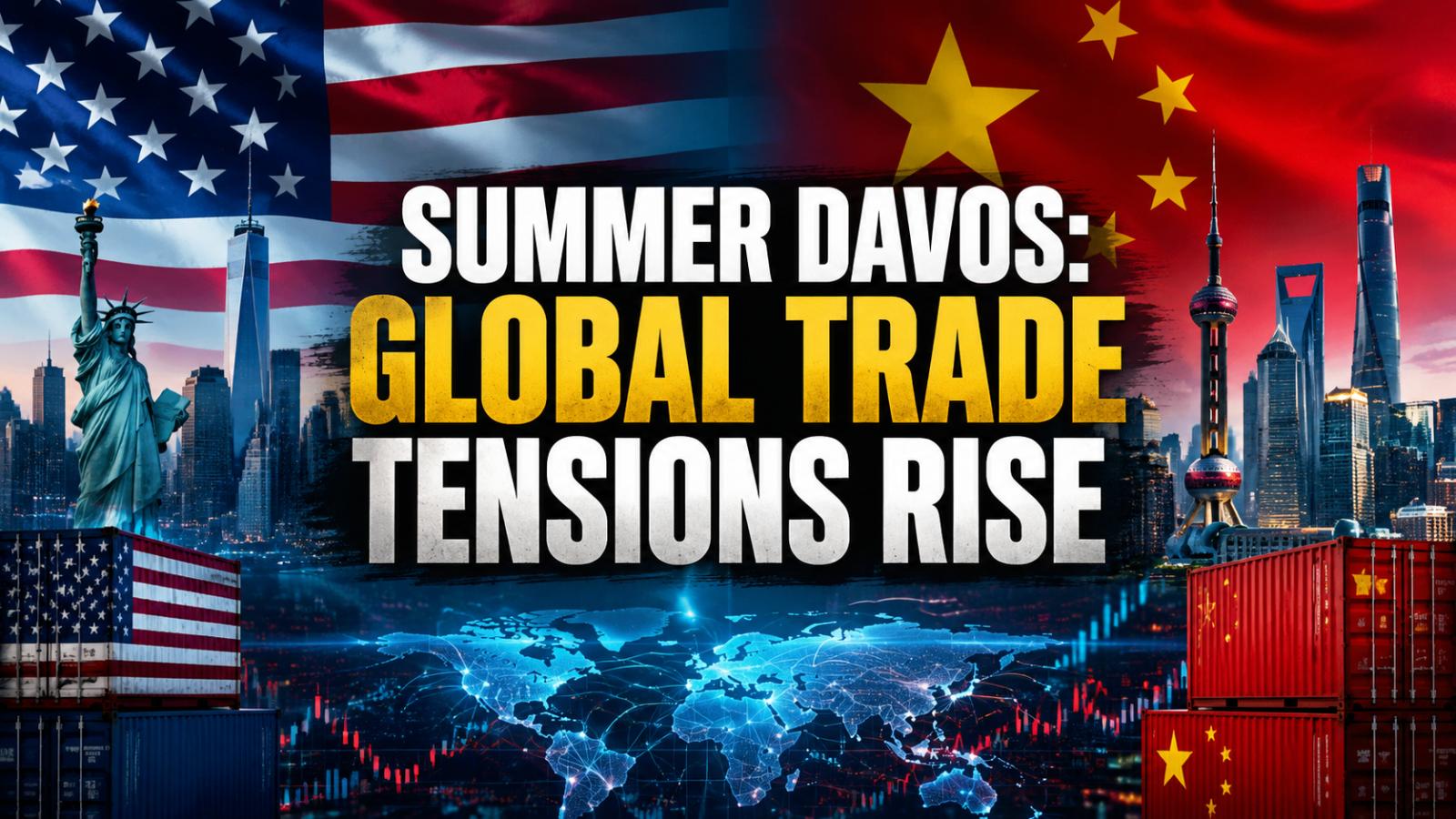
The gathering in Dalian under the World Economic Forum’s “Summer Davos” platform brought together policymakers, business leaders and economists at a time when global growth signals are weakening. The discussions reflected a clear shift in tone: confidence in stable trade expansion is fading, replaced by concern over fragmentation and competing economic blocs.
US–China
The gathering in Dalian under the World Economic Forum’s “Summer Davos” platform brought together policymakers, business leaders and economists at a time when global growth signals are weakening. The discussions reflected a clear shift in tone: confidence in stable trade expansion is fading, replaced by concern over fragmentation and competing economic blocs.
US–China
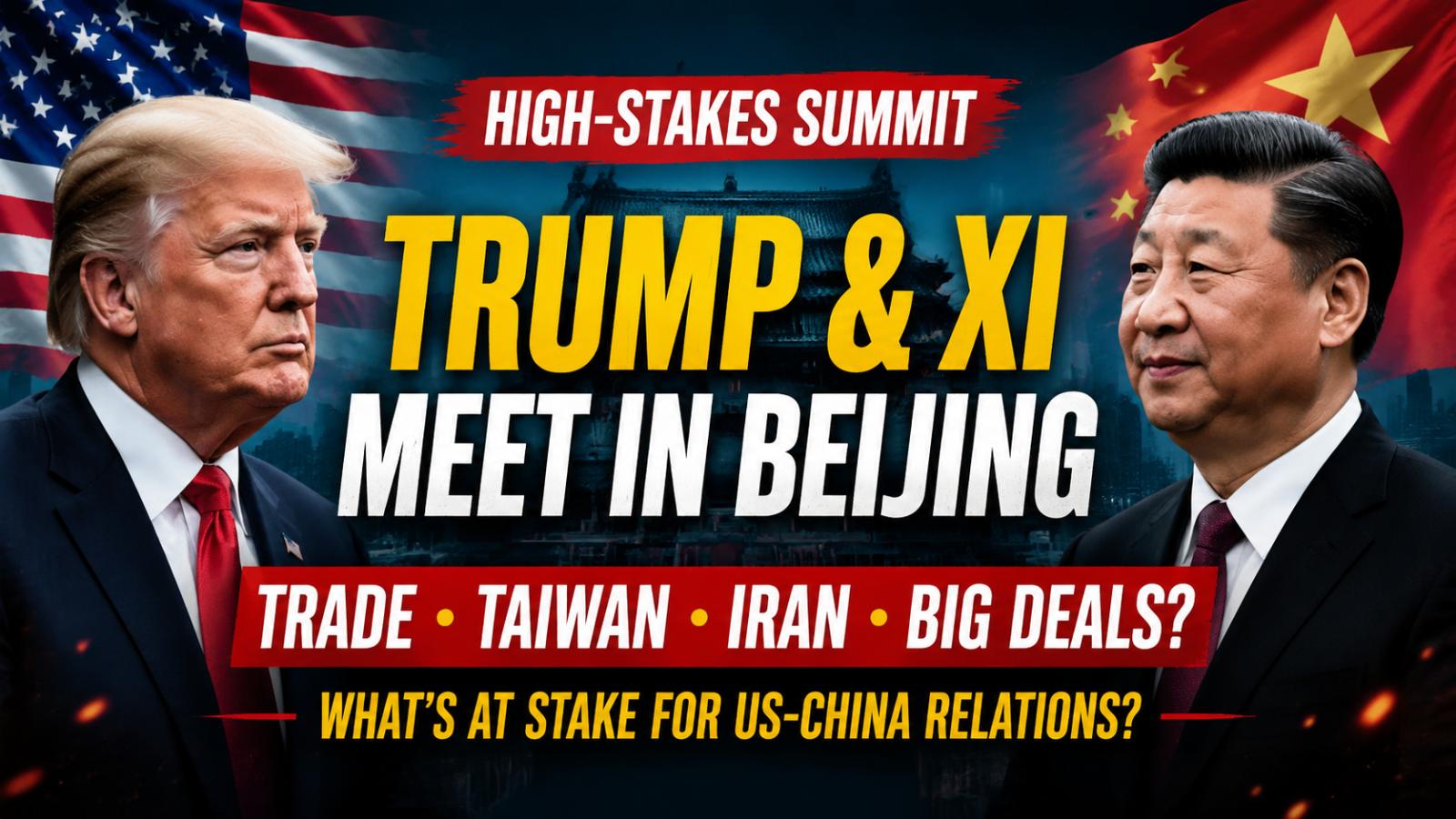
On May 14, US President Donald Trump will meet Chinese President Xi Jinping in Beijing for an important summit that could reshape the US-China relationship. This high-level meeting comes after years of trade disputes, rising tensions over Taiwan, and concerns about Iran’s nuclear ambitions. The two leaders are expected to tackle these critical issues head-on, with major global implications.
This marks Trump’s first visit to China since 2017, and the atmosphere surrounding the trip is tense, yet optimistic. Alongside the president, top business leaders, including Nvidia’s Jensen Huang and Tesla’s Elon Musk, will be part of the delegation, emphasizing the US’s desire to push for commercial deals that strengthen trade ties with China. The summit is taking place against the backdrop of escalating tensions, including the ongoing trade war between the two powers, China’s rare earth restrictions, and the fierce competition in artificial intelligence (AI).
Trade Tensions: A Fragile Truce
One of the central issues on the table is trade. The US and China have been at odds for years, with both countries imposing tariffs on each other's goods. While last year saw a brief period of truce, many unresolved issues remain. President Trump is expected to press China for further trade reforms and better deals for American businesses, especially in the face of high tariffs and economic uncertainty.Both sides are aware that the trade dynamics have far-reaching consequences for the global economy, so finding common ground will be critical.
Taiwan: A Stubborn Point of Contention
Another major issue will be Taiwan, which has long been a flashpoint between the two nations. China views Taiwan as an inseparable part of its territory, while the US has shown strong support for the island’s autonomy. With tensions rising, especially after China increased military activity near Taiwan, the US's stance on Taiwan remains a key area of friction. Trump’s administration has been vocal about its support for Taiwan, and it remains to be seen how this will affect the overall talks.
How the two leaders address this issue will set the tone for future interactions between the two countries, especially considering the delicate balance the US must strike between its relationship with China and its support for Taiwan.
Iran: A Strategic Challenge
Trump is also expected to address the situation in Iran, seeking China’s cooperation on curbing Iran’s nuclear ambitions. With China’s significant economic ties to Iran, Trump hopes Beijing can use its influence to help rein in Tehran’s nuclear program and reduce instability in the Middle East. China’s role in global diplomacy has been growing, and this summit could serve as a turning point for its involvement in international peace efforts.
The Stakes of the Summit
Both leaders face high stakes at this summit. Trump’s goal is clear: to secure deals that will benefit American businesses and address concerns about China’s rising influence in global trade and AI. For China, maintaining its geopolitical power while ensuring economic growth is paramount. Despite the challenging topics, both leaders know the importance of maintaining a functional relationship for global stability.
As the summit unfolds, eyes will be on whether the two leaders can navigate their differences and strike a deal that addresses the critical issues of trade, Taiwan, and Iran. The outcome will not just shape US-China relations, but could influence global geopolitics for years to come.
This meeting is more than just diplomacy; it's a chance to shape the future of international relations, with consequences that reach far beyond the negotiating table.
On May 14, US President Donald Trump will meet Chinese President Xi Jinping in Beijing for an important summit that could reshape the US-China relationship. This high-level meeting comes after years of trade disputes, rising tensions over Taiwan, and concerns about Iran’s nuclear ambitions. The two leaders are expected to tackle these critical issues head-on, with major global implications.
This marks Trump’s first visit to China since 2017, and the atmosphere surrounding the trip is tense, yet optimistic. Alongside the president, top business leaders, including Nvidia’s Jensen Huang and Tesla’s Elon Musk, will be part of the delegation, emphasizing the US’s desire to push for commercial deals that strengthen trade ties with China. The summit is taking place against the backdrop of escalating tensions, including the ongoing trade war between the two powers, China’s rare earth restrictions, and the fierce competition in artificial intelligence (AI).
Trade Tensions: A Fragile Truce
One of the central issues on the table is trade. The US and China have been at odds for years, with both countries imposing tariffs on each other's goods. While last year saw a brief period of truce, many unresolved issues remain. President Trump is expected to press China for further trade reforms and better deals for American businesses, especially in the face of high tariffs and economic uncertainty.Both sides are aware that the trade dynamics have far-reaching consequences for the global economy, so finding common ground will be critical.
Taiwan: A Stubborn Point of Contention
Another major issue will be Taiwan, which has long been a flashpoint between the two nations. China views Taiwan as an inseparable part of its territory, while the US has shown strong support for the island’s autonomy. With tensions rising, especially after China increased military activity near Taiwan, the US's stance on Taiwan remains a key area of friction. Trump’s administration has been vocal about its support for Taiwan, and it remains to be seen how this will affect the overall talks.
How the two leaders address this issue will set the tone for future interactions between the two countries, especially considering the delicate balance the US must strike between its relationship with China and its support for Taiwan.
Iran: A Strategic Challenge
Trump is also expected to address the situation in Iran, seeking China’s cooperation on curbing Iran’s nuclear ambitions. With China’s significant economic ties to Iran, Trump hopes Beijing can use its influence to help rein in Tehran’s nuclear program and reduce instability in the Middle East. China’s role in global diplomacy has been growing, and this summit could serve as a turning point for its involvement in international peace efforts.
The Stakes of the Summit
Both leaders face high stakes at this summit. Trump’s goal is clear: to secure deals that will benefit American businesses and address concerns about China’s rising influence in global trade and AI. For China, maintaining its geopolitical power while ensuring economic growth is paramount. Despite the challenging topics, both leaders know the importance of maintaining a functional relationship for global stability.
As the summit unfolds, eyes will be on whether the two leaders can navigate their differences and strike a deal that addresses the critical issues of trade, Taiwan, and Iran. The outcome will not just shape US-China relations, but could influence global geopolitics for years to come.
This meeting is more than just diplomacy; it's a chance to shape the future of international relations, with consequences that reach far beyond the negotiating table.
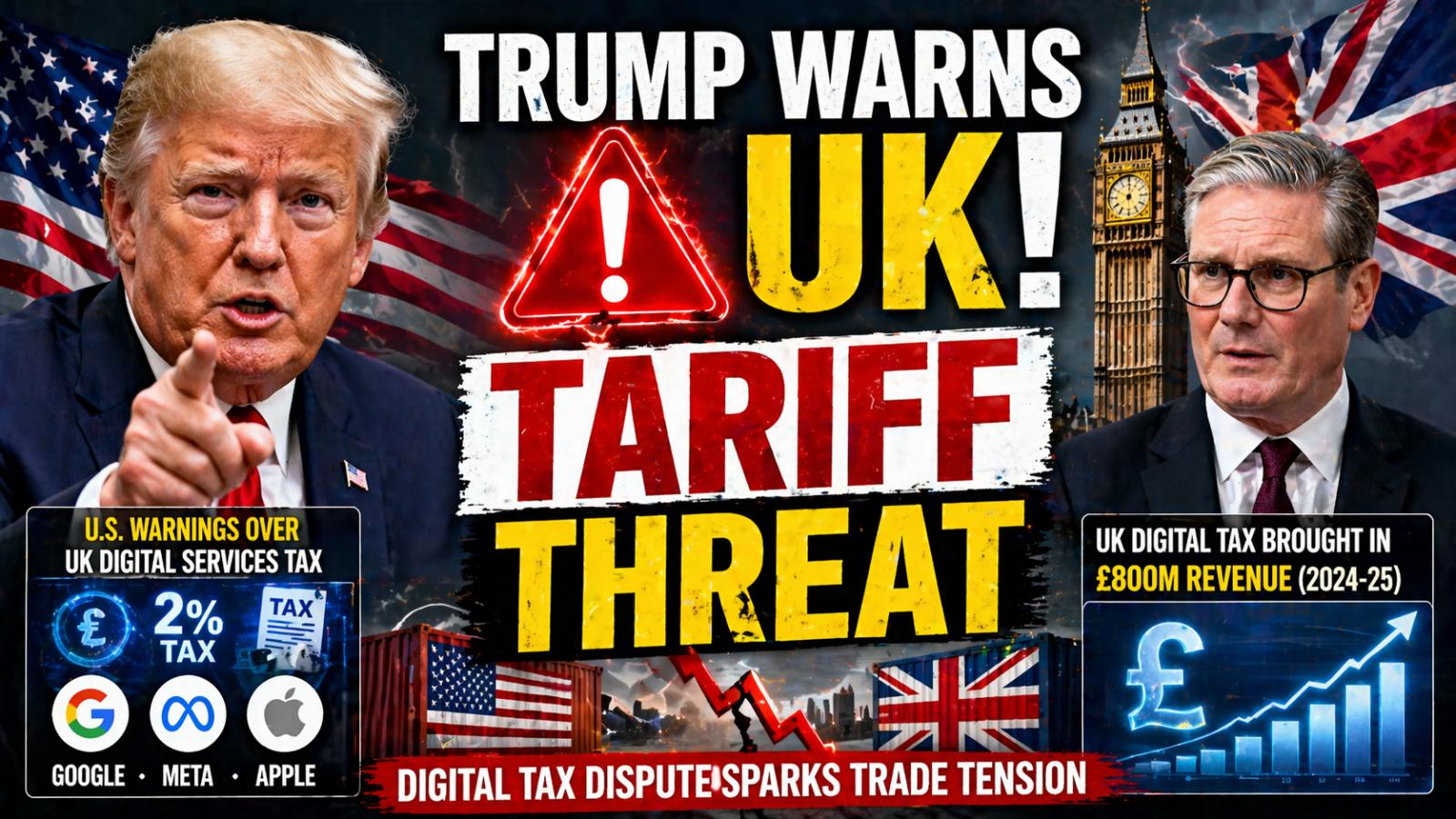
Why did Donald Trump warn the U.K. about tariffs? He cites digital tax concerns — U.S. President Donald Trump issued a strong warning to the United Kingdom, signaling potential tariffs if Britain does not eliminate its digital services tax targeting major American technology firms. Speaking from the Oval Office on Thursday, Trump criticized the policy as an unfair attempt to profit from U.S. companies operating abroad.
The digital services tax, introduced by the
Why did Donald Trump warn the U.K. about tariffs? He cites digital tax concerns — U.S. President Donald Trump issued a strong warning to the United Kingdom, signaling potential tariffs if Britain does not eliminate its digital services tax targeting major American technology firms. Speaking from the Oval Office on Thursday, Trump criticized the policy as an unfair attempt to profit from U.S. companies operating abroad.
The digital services tax, introduced by the
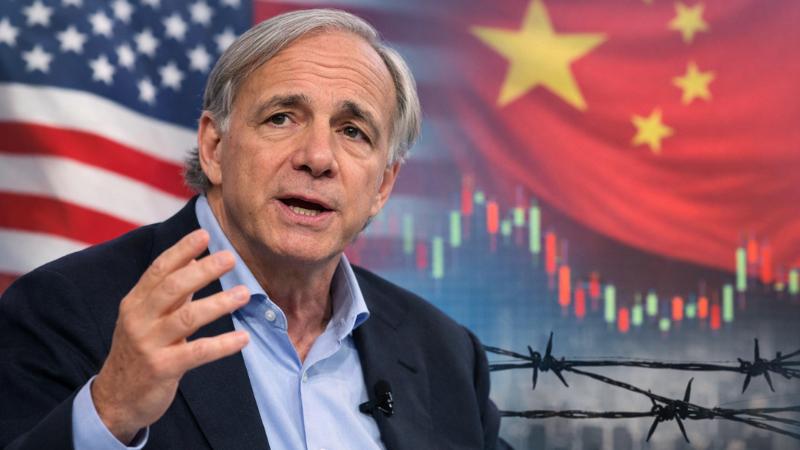
Legendary investor Ray Dalio has cautioned that the global economy is approaching a dangerous tipping point, warning that mounting geopolitical frictions and unstable financial markets could trigger what he describes as a “capital war,” in which nations weaponize money, trade, and investment flows to exert influence over one another.
Speaking at the World Governments Summit in Dubai, Dalio said the international system is not yet in such a conflict but is “on the brink,” with conditions that could quickly escalate. He described capital war as a scenario where governments restrict access to markets, impose sanctions, enforce capital controls, or use debt holdings and trade leverage to pressure rivals. According to Dalio, rising mistrust among major economies is increasing the likelihood of these tools being deployed more aggressively.
He pointed to growing tensions between the United States and its allies and competitors as a key source of concern. Discussions surrounding Washington’s interest in Greenland, a Danish territory, as well as broader disagreements over trade and security policy, have unsettled investors. Dalio said some European holders of U.S.-denominated assets fear potential sanctions or restrictions, while American policymakers may worry about losing reliable foreign buyers for government debt.
European investors have played a significant role in financing U.S. borrowing needs, accounting for a large share of foreign purchases of Treasurys in recent months. Any disruption to those flows could amplify volatility in global markets and increase funding pressures. Dalio noted that “capital, money, matters,” emphasizing that financial interdependence has become both a strength and a vulnerability for the global system.
Since returning to office, President Donald Trump has introduced and, at times, rolled back punitive tariffs targeting several trading partners. Those policy shifts have added to market swings and uncertainty. Dalio said similar patterns in the past have often preceded broader economic confrontations, with governments imposing foreign exchange restrictions and tightening controls to protect domestic interests.
Drawing parallels with history, he referenced periods leading up to major conflicts, when sanctions and trade barriers intensified rivalries between nations. He suggested that today’s environment could produce comparable strains, particularly in relations between the United States and China, or between the United States and Europe, where trade deficits and capital imbalances remain sensitive issues.
Against this backdrop, Dalio reiterated his long-standing view that gold remains an effective hedge during periods of stress. Although prices have fluctuated recently, he said the precious metal continues to serve as a reliable diversifier for portfolios. Rather than focusing on short-term movements, he advised investors, central banks, and sovereign wealth funds to maintain a steady allocation to gold as protection against systemic risk.
Ultimately, Dalio urged a disciplined approach to investing, stressing that diversification across assets and regions is the best defense in an increasingly uncertain economic landscape.
Legendary investor Ray Dalio has cautioned that the global economy is approaching a dangerous tipping point, warning that mounting geopolitical frictions and unstable financial markets could trigger what he describes as a “capital war,” in which nations weaponize money, trade, and investment flows to exert influence over one another.
Speaking at the World Governments Summit in Dubai, Dalio said the international system is not yet in such a conflict but is “on the brink,” with conditions that could quickly escalate. He described capital war as a scenario where governments restrict access to markets, impose sanctions, enforce capital controls, or use debt holdings and trade leverage to pressure rivals. According to Dalio, rising mistrust among major economies is increasing the likelihood of these tools being deployed more aggressively.
He pointed to growing tensions between the United States and its allies and competitors as a key source of concern. Discussions surrounding Washington’s interest in Greenland, a Danish territory, as well as broader disagreements over trade and security policy, have unsettled investors. Dalio said some European holders of U.S.-denominated assets fear potential sanctions or restrictions, while American policymakers may worry about losing reliable foreign buyers for government debt.
European investors have played a significant role in financing U.S. borrowing needs, accounting for a large share of foreign purchases of Treasurys in recent months. Any disruption to those flows could amplify volatility in global markets and increase funding pressures. Dalio noted that “capital, money, matters,” emphasizing that financial interdependence has become both a strength and a vulnerability for the global system.
Since returning to office, President Donald Trump has introduced and, at times, rolled back punitive tariffs targeting several trading partners. Those policy shifts have added to market swings and uncertainty. Dalio said similar patterns in the past have often preceded broader economic confrontations, with governments imposing foreign exchange restrictions and tightening controls to protect domestic interests.
Drawing parallels with history, he referenced periods leading up to major conflicts, when sanctions and trade barriers intensified rivalries between nations. He suggested that today’s environment could produce comparable strains, particularly in relations between the United States and China, or between the United States and Europe, where trade deficits and capital imbalances remain sensitive issues.
Against this backdrop, Dalio reiterated his long-standing view that gold remains an effective hedge during periods of stress. Although prices have fluctuated recently, he said the precious metal continues to serve as a reliable diversifier for portfolios. Rather than focusing on short-term movements, he advised investors, central banks, and sovereign wealth funds to maintain a steady allocation to gold as protection against systemic risk.
Ultimately, Dalio urged a disciplined approach to investing, stressing that diversification across assets and regions is the best defense in an increasingly uncertain economic landscape.
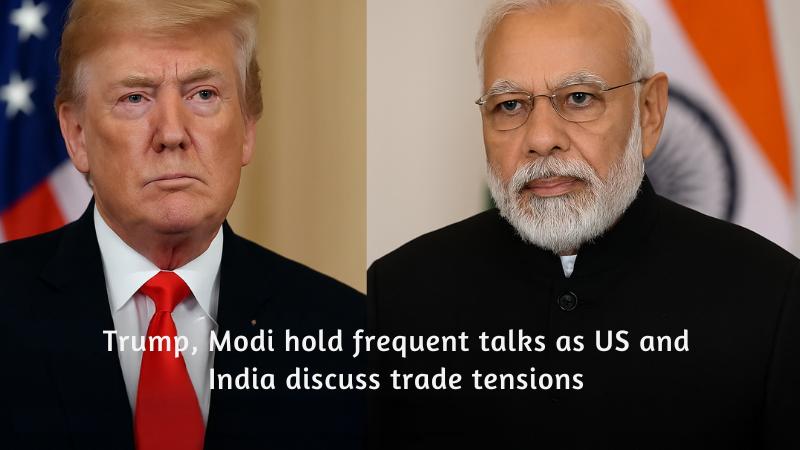
The White House has confirmed that United States President Donald Trump and Indian Prime Minister Narendra Modi continue to engage in regular communication, with trade officials from both countries involved in what have been described as “very serious discussions.” The statement comes amid rising diplomatic and economic tensions between the two nations following Washington’s recent decision to impose a 50 percent tariff on select Indian imports, a move that has strained one of the world
The White House has confirmed that United States President Donald Trump and Indian Prime Minister Narendra Modi continue to engage in regular communication, with trade officials from both countries involved in what have been described as “very serious discussions.” The statement comes amid rising diplomatic and economic tensions between the two nations following Washington’s recent decision to impose a 50 percent tariff on select Indian imports, a move that has strained one of the world
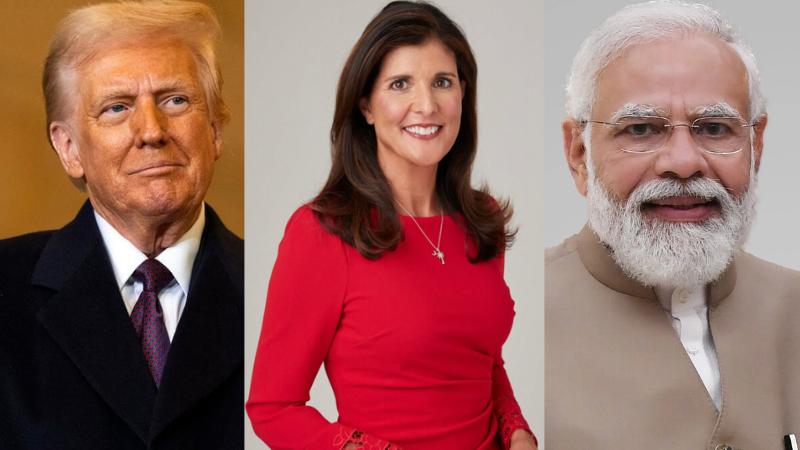
As tensions rise between India and the United States over trade and tariff disputes, former US Ambassador to the United Nations Nikki Haley has urged Washington not to jeopardize its long-standing relationship with New Delhi. Her comments followed President Donald Trump’s announcement of a 25 percent reciprocal tariff on Indian imports along with an additional 25 percent penalty tied to India’s continued energy trade with Russia. Haley emphasized tha
As tensions rise between India and the United States over trade and tariff disputes, former US Ambassador to the United Nations Nikki Haley has urged Washington not to jeopardize its long-standing relationship with New Delhi. Her comments followed President Donald Trump’s announcement of a 25 percent reciprocal tariff on Indian imports along with an additional 25 percent penalty tied to India’s continued energy trade with Russia. Haley emphasized tha