#trumpxi
Trump-Xi Summit 2026: 6 Past Meetings That Explain US-China Tensions
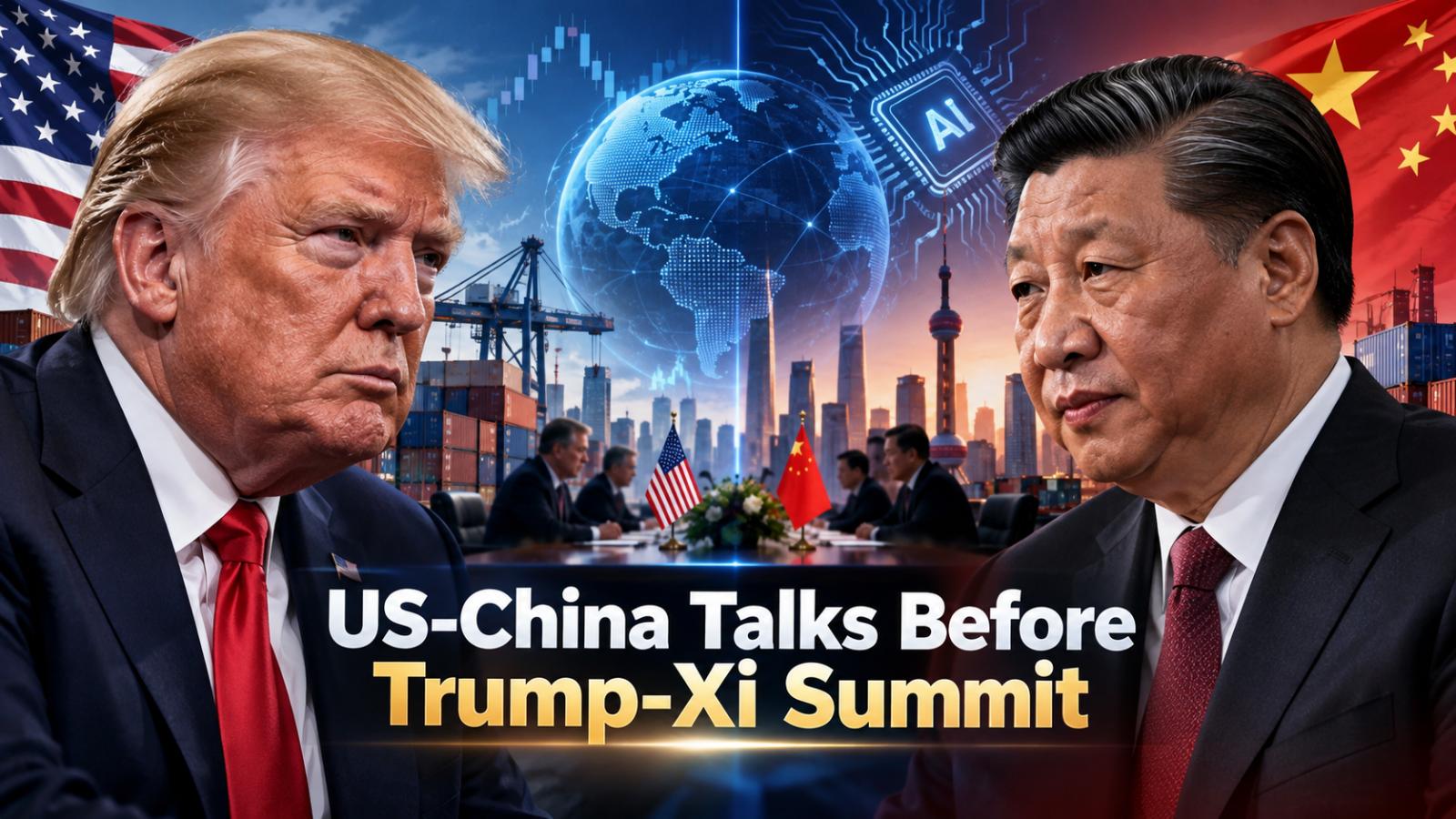
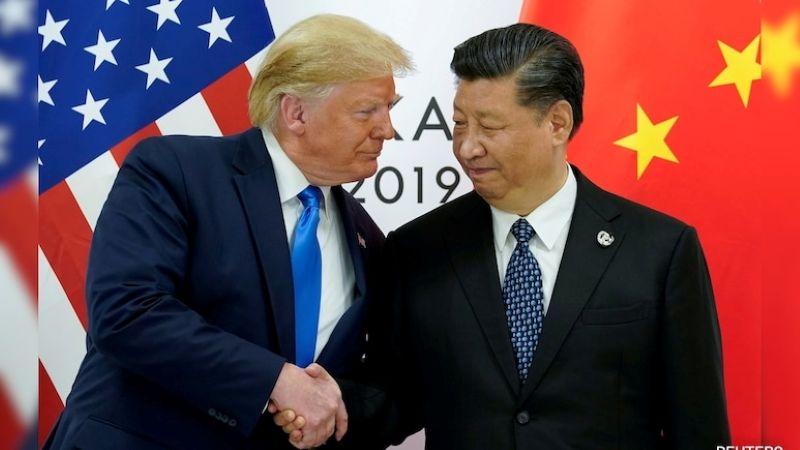
Trump-Xi Summit Puts US-China Tensions Back in Focus US President Donald Trump arrived in Beijing on Wednesday, May 13, 2026, for a high-stakes summit with Chinese President Xi Jinping, bringing tariffs, rare earth exports, AI chips, Taiwan and global security back to the center of US-China relations. The summit is expected to mark another major test for the world’s two largest economies after six previous Trump-Xi meetings shaped trade disputes, tariff pauses and fragile diplomatic resets since 2017. For Washington, the key questions include trade access, technology restrictions, agriculture purchases, Taiwan and supply-chain stability. For Beijing, the meeting is a chance to push back against US tariffs and technology controls while protecting China’s position in global trade. Why the Trump-Xi Summit Matters in 2026 The 2026 Trump-Xi summit matters because the issues are no longer limited to trade. The talks now include rare earth minerals, artificial intelligence, agriculture, Taiwan, nuclear concerns and broader geopolitical tensions. Reuters reported that Trump and Xi are expected to discuss trade, AI, agriculture, rare earths and global security issues during the summit period. Rare earth exports are especially important because China plays a major role in minerals used in defense systems, electric vehicles, electronics and clean-energy technology. Any movement on export controls could affect global supply chains and US manufacturers. AI chips are another major pressure point. Trump’s Beijing visit also drew attention because Nvidia CEO Jensen Huang joined the mission as US companies seek broader access to China’s technology market. Taiwan remains one of the most sensitive security issues. Beijing strongly opposes US arms sales to Taiwan, while Washington continues to maintain political and security ties with Taipei. AP reported that US arms sales to Taiwan are among the issues surrounding the summit. Trump-Xi Meetings Timeline Meeting Date Location Main Focus Why It Matters Now First Trump-Xi meeting Thursday, April 6, 2017 Mar-a-Lago, Florida Trade, diplomacy, North Korea Opened direct leader-level communication G20 meeting Saturday, July 8, 2017 Hamburg, Germany North Korea and economic ties Came before stronger US trade action Trump China visit Wednesday, November 8, 2017 to Friday, November 10, 2017 Beijing, China Business deals and trade imbalance Warm diplomacy did not stop tariff tensions G20 dinner Saturday, December 1, 2018 Buenos Aires, Argentina Tariffs, intellectual property and cyber concerns Opened temporary negotiations during the trade war Osaka G20 meeting Saturday, June 29, 2019 Osaka, Japan Tariff pause and farm purchases Restarted trade talks after escalation APEC meeting Thursday, October 30, 2025 Busan, South Korea Tariffs, rare earths and farm exports Created a temporary pause before the 2026 summit How Six Meetings Shaped US-China Relations Trump and Xi first met at Mar-a-Lago in Florida on Thursday, April 6, 2017. The meeting created a personal channel between the two leaders, but it did not resolve deeper US concerns over China’s trade practices, market access and industrial policy. Their second meeting came on Saturday, July 8, 2017, during the G20 summit in Hamburg, Germany. North Korea was a major topic, but trade tensions were already rising. Soon after, Washington moved toward stronger action over alleged Chinese intellectual property theft and unfair trade practices. Trump visited Beijing from Wednesday, November 8, 2017, to Friday, November 10, 2017. The visit included ceremonial events and business announcements, but the friendly tone did not prevent the two countries from moving toward a wider trade confrontation. By Saturday, December 1, 2018, when Trump and Xi met at the G20 summit in Buenos Aires, both countries had already imposed tariffs. The dinner opened temporary negotiations on trade imbalances, intellectual property and cyber concerns. The next major pause came at the G20 summit in Osaka on Saturday, June 29, 2019. Trump and Xi agreed to restart trade talks and delay new tariffs. China also pledged to buy more US agricultural goods. Their sixth meeting came after a six-year gap on Thursday, October 30, 2025, during the APEC summit in Busan, South Korea. That meeting helped create a temporary pause in parts of the trade dispute, including movement on tariffs, rare earth exports and US farm purchases. What the 2026 Trump-Xi Meeting Could Decide The Beijing summit could decide whether Washington and Beijing extend a period of limited stability or return to sharper confrontation. For the United States, the main goals include tariff relief, stronger export access for farmers, rare earth supply stability, technology safeguards and progress on broader security issues. American companies are also watching whether the talks create more space for business access in China. For China, the summit is about reducing pressure from tariffs and technology restrictions while showing that Beijing can negotiate from strength. Rare earths give China leverage, while its large consumer and technology market remains important for US companies. The six previous Trump-Xi meetings show a clear pattern: personal diplomacy can slow escalation, but it rarely solves the deeper disputes. Mar-a-Lago and Beijing created warmth but did not prevent the trade war. Buenos Aires and Osaka produced temporary pauses. Busan again showed that both sides could step back from escalation, but only for a limited period. That makes the 2026 summit more than another diplomatic event. It is a test of whether the United States and China can manage competition without allowing tariffs, AI chip restrictions, rare earth controls and Taiwan tensions to trigger another major crisis.
Trump-Xi Summit 2026: 6 Past Meetings That Explain US-China Tensions
Trump-Xi Summit Puts US-China Tensions Back in Focus US President Donald Trump arrived in Beijing on Wednesday, May 13, 2026, for a high-stakes summit with Chinese President Xi Jinping, bringing tariffs, rare earth exports, AI chips, Taiwan and global security back to the center of US-China relations. The summit is expected to mark another major test for the world’s two largest economies after six previous Trump-Xi meetings shaped trade disputes, tariff pauses and fragile diplomatic resets since 2017. For Washington, the key questions include trade access, technology restrictions, agriculture purchases, Taiwan and supply-chain stability. For Beijing, the meeting is a chance to push back against US tariffs and technology controls while protecting China’s position in global trade. Why the Trump-Xi Summit Matters in 2026 The 2026 Trump-Xi summit matters because the issues are no longer limited to trade. The talks now include rare earth minerals, artificial intelligence, agriculture, Taiwan, nuclear concerns and broader geopolitical tensions. Reuters reported that Trump and Xi are expected to discuss trade, AI, agriculture, rare earths and global security issues during the summit period. Rare earth exports are especially important because China plays a major role in minerals used in defense systems, electric vehicles, electronics and clean-energy technology. Any movement on export controls could affect global supply chains and US manufacturers. AI chips are another major pressure point. Trump’s Beijing visit also drew attention because Nvidia CEO Jensen Huang joined the mission as US companies seek broader access to China’s technology market. Taiwan remains one of the most sensitive security issues. Beijing strongly opposes US arms sales to Taiwan, while Washington continues to maintain political and security ties with Taipei. AP reported that US arms sales to Taiwan are among the issues surrounding the summit. Trump-Xi Meetings Timeline Meeting Date Location Main Focus Why It Matters Now First Trump-Xi meeting Thursday, April 6, 2017 Mar-a-Lago, Florida Trade, diplomacy, North Korea Opened direct leader-level communication G20 meeting Saturday, July 8, 2017 Hamburg, Germany North Korea and economic ties Came before stronger US trade action Trump China visit Wednesday, November 8, 2017 to Friday, November 10, 2017 Beijing, China Business deals and trade imbalance Warm diplomacy did not stop tariff tensions G20 dinner Saturday, December 1, 2018 Buenos Aires, Argentina Tariffs, intellectual property and cyber concerns Opened temporary negotiations during the trade war Osaka G20 meeting Saturday, June 29, 2019 Osaka, Japan Tariff pause and farm purchases Restarted trade talks after escalation APEC meeting Thursday, October 30, 2025 Busan, South Korea Tariffs, rare earths and farm exports Created a temporary pause before the 2026 summit How Six Meetings Shaped US-China Relations Trump and Xi first met at Mar-a-Lago in Florida on Thursday, April 6, 2017. The meeting created a personal channel between the two leaders, but it did not resolve deeper US concerns over China’s trade practices, market access and industrial policy. Their second meeting came on Saturday, July 8, 2017, during the G20 summit in Hamburg, Germany. North Korea was a major topic, but trade tensions were already rising. Soon after, Washington moved toward stronger action over alleged Chinese intellectual property theft and unfair trade practices. Trump visited Beijing from Wednesday, November 8, 2017, to Friday, November 10, 2017. The visit included ceremonial events and business announcements, but the friendly tone did not prevent the two countries from moving toward a wider trade confrontation. By Saturday, December 1, 2018, when Trump and Xi met at the G20 summit in Buenos Aires, both countries had already imposed tariffs. The dinner opened temporary negotiations on trade imbalances, intellectual property and cyber concerns. The next major pause came at the G20 summit in Osaka on Saturday, June 29, 2019. Trump and Xi agreed to restart trade talks and delay new tariffs. China also pledged to buy more US agricultural goods. Their sixth meeting came after a six-year gap on Thursday, October 30, 2025, during the APEC summit in Busan, South Korea. That meeting helped create a temporary pause in parts of the trade dispute, including movement on tariffs, rare earth exports and US farm purchases. What the 2026 Trump-Xi Meeting Could Decide The Beijing summit could decide whether Washington and Beijing extend a period of limited stability or return to sharper confrontation. For the United States, the main goals include tariff relief, stronger export access for farmers, rare earth supply stability, technology safeguards and progress on broader security issues. American companies are also watching whether the talks create more space for business access in China. For China, the summit is about reducing pressure from tariffs and technology restrictions while showing that Beijing can negotiate from strength. Rare earths give China leverage, while its large consumer and technology market remains important for US companies. The six previous Trump-Xi meetings show a clear pattern: personal diplomacy can slow escalation, but it rarely solves the deeper disputes. Mar-a-Lago and Beijing created warmth but did not prevent the trade war. Buenos Aires and Osaka produced temporary pauses. Busan again showed that both sides could step back from escalation, but only for a limited period. That makes the 2026 summit more than another diplomatic event. It is a test of whether the United States and China can manage competition without allowing tariffs, AI chip restrictions, rare earth controls and Taiwan tensions to trigger another major crisis.
Historic US-China Summit: Trump and Xi Discuss Iran, Trade, and Taiwan in Beijing
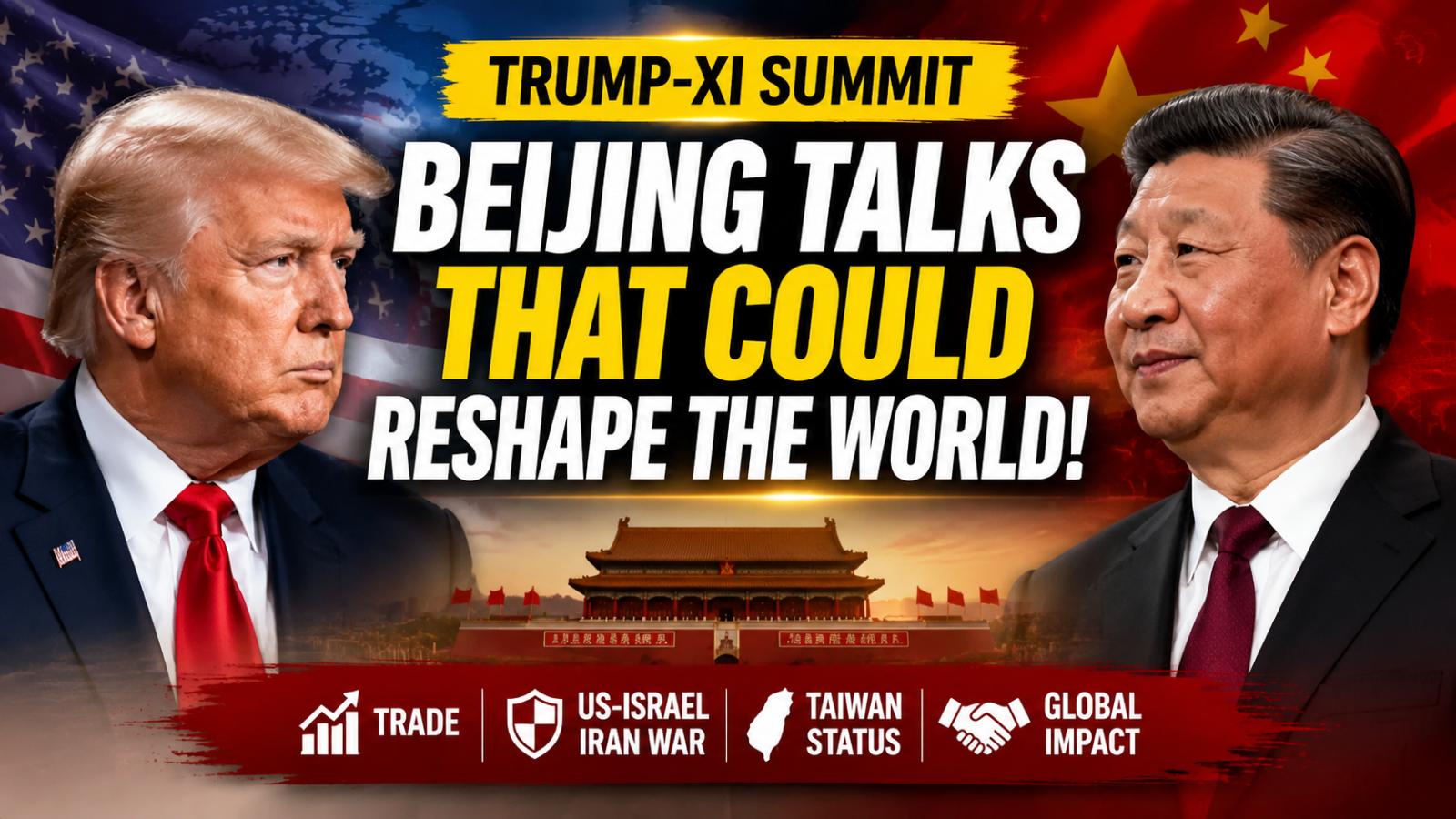
Trump and Xi Jinping Meet in Beijing for Key Summit US President Donald Trump and Chinese President Xi Jinping are set to meet in Beijing for a highly anticipated three-day summit. This is Trump’s first visit to China in nearly a decade, making the meeting particularly significant. The summit is expected to focus on critical global issues, including the ongoing US-Israel war on Iran, trade relations between the two nations, and the status of Taiw
Historic US-China Summit: Trump and Xi Discuss Iran, Trade, and Taiwan in Beijing
Trump and Xi Jinping Meet in Beijing for Key Summit US President Donald Trump and Chinese President Xi Jinping are set to meet in Beijing for a highly anticipated three-day summit. This is Trump’s first visit to China in nearly a decade, making the meeting particularly significant. The summit is expected to focus on critical global issues, including the ongoing US-Israel war on Iran, trade relations between the two nations, and the status of Taiw
White House China Visit May Bring Musk, Cook to Trump-Xi Summit
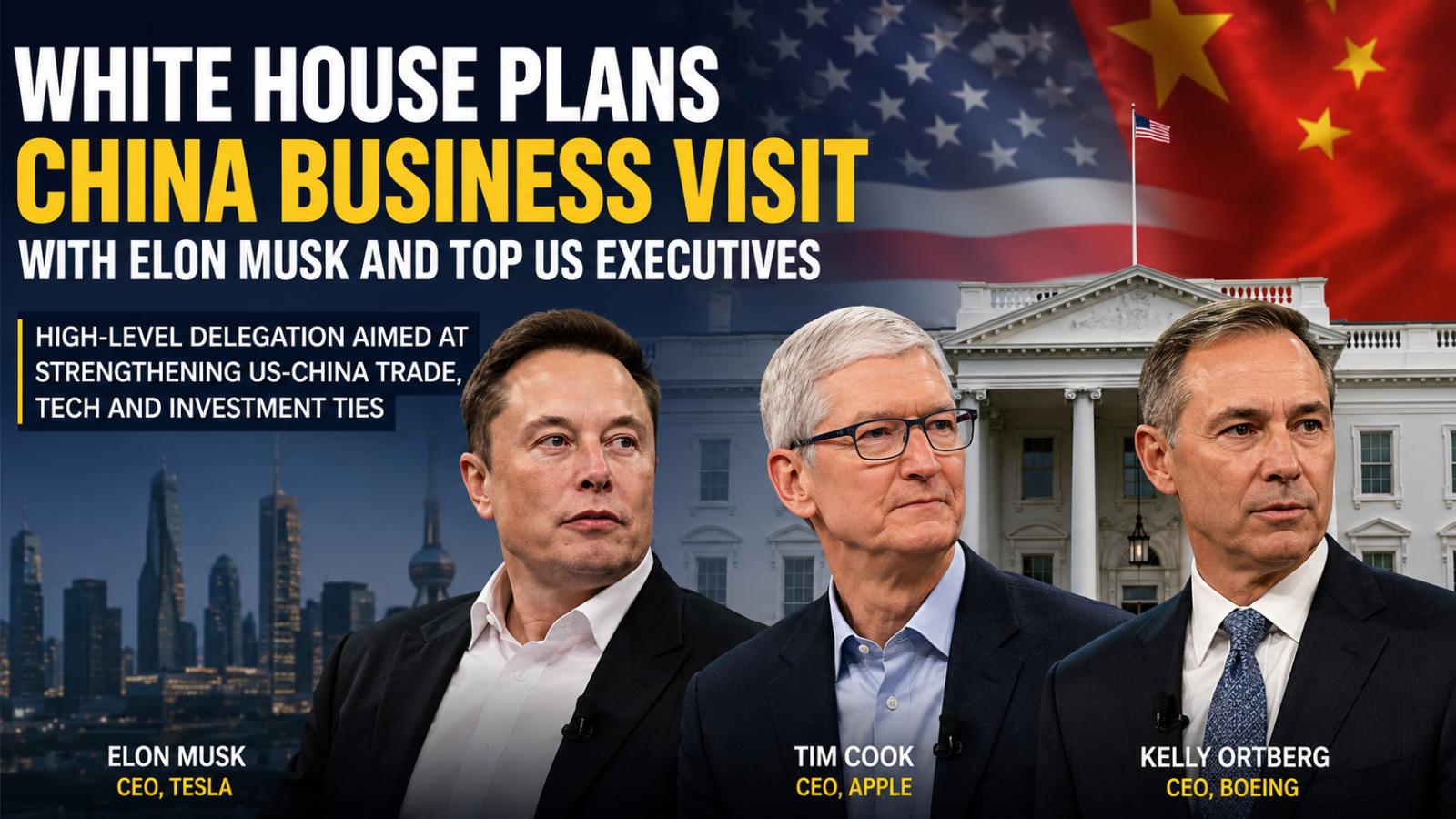
The White House China visit planned for May 13–15, 2026, may bring Elon Musk, Apple CEO Tim Cook and Boeing CEO Kelly Ortberg into President Donald Trump’s high-stakes summit with Chinese President Xi Jinping. The trip is aimed at easing business tensions and opening space for trade deals between the world’s two largest economies. Why Musk, Cook and Boeing Matter Musk’s Tesla has major operations in Shanghai, making China central to the
White House China Visit May Bring Musk, Cook to Trump-Xi Summit
The White House China visit planned for May 13–15, 2026, may bring Elon Musk, Apple CEO Tim Cook and Boeing CEO Kelly Ortberg into President Donald Trump’s high-stakes summit with Chinese President Xi Jinping. The trip is aimed at easing business tensions and opening space for trade deals between the world’s two largest economies. Why Musk, Cook and Boeing Matter Musk’s Tesla has major operations in Shanghai, making China central to the
Trump and Xi conclude Busan meeting with signs of US-China trade thaw
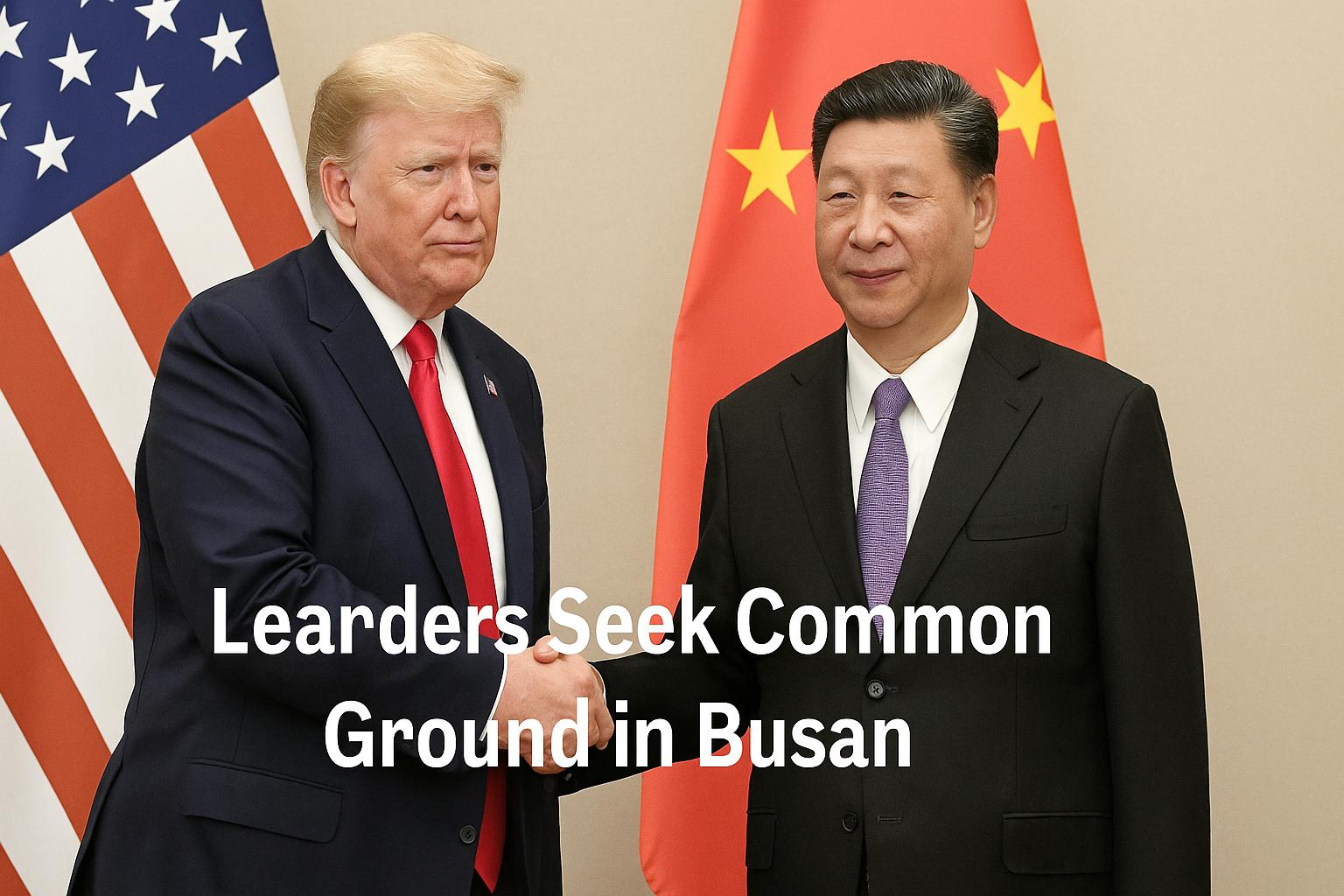
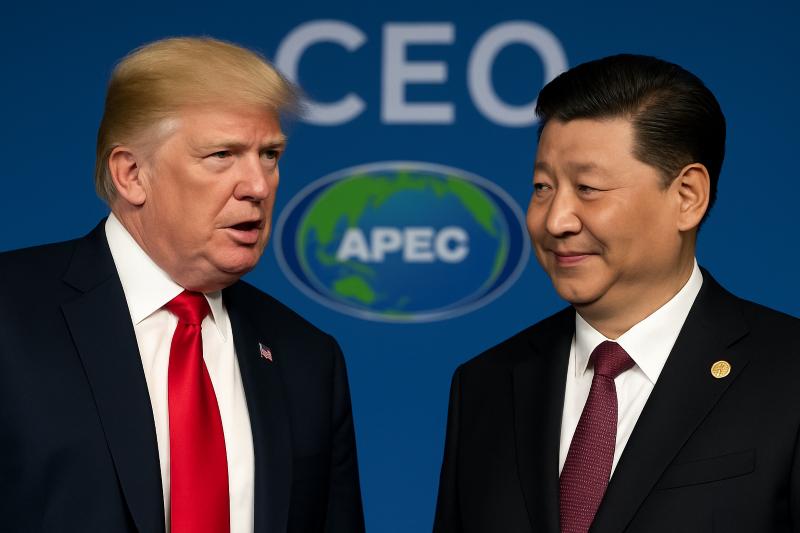
The high-stakes meeting between United States President Donald Trump and Chinese President Xi Jinping in Busan, South Korea, concluded after nearly one hour and forty minutes on Thursday, lasting longer than initially scheduled. The session, held on the sidelines of the Asia-Pacific Economic Cooperation (APEC) summit, was seen as a pivotal effort to reduce escalating tensions that have rattled global markets for months. Both leaders are believed to have sought a pathway to prevent further det
Trump and Xi conclude Busan meeting with signs of US-China trade thaw
The high-stakes meeting between United States President Donald Trump and Chinese President Xi Jinping in Busan, South Korea, concluded after nearly one hour and forty minutes on Thursday, lasting longer than initially scheduled. The session, held on the sidelines of the Asia-Pacific Economic Cooperation (APEC) summit, was seen as a pivotal effort to reduce escalating tensions that have rattled global markets for months. Both leaders are believed to have sought a pathway to prevent further det
Trump Eyes a ‘Fair’ Trade Deal with Xi at APEC Summit as US-China Ties Face New Test
As the world watches the evolving dynamics of U.S.–China relations, former U.S. President Donald Trump has expressed confidence that a “fair trade deal” with Chinese President Xi Jinping could soon materialize during the Asia-Pacific Economic Cooperation (APEC) summit. Speaking ahead of the high-profile event, Trump described his relationship with Xi as “strong” and said he expects posit
Trump Eyes a ‘Fair’ Trade Deal with Xi at APEC Summit as US-China Ties Face New Test
As the world watches the evolving dynamics of U.S.–China relations, former U.S. President Donald Trump has expressed confidence that a “fair trade deal” with Chinese President Xi Jinping could soon materialize during the Asia-Pacific Economic Cooperation (APEC) summit. Speaking ahead of the high-profile event, Trump described his relationship with Xi as “strong” and said he expects posit
Trump Confirms China Deal on Rare Earths, Student Visas
US President Donald Trump has announced a major breakthrough in trade relations with China, confirming that a new deal includes guaranteed upfront delivery of rare earth elements to the United States and a renewed visa pathway for Chinese students. Posting on Truth Social, Trump declared the agreement “done,” pending final approval from Chinese President Xi Jinping and himself. He emphasized that under the terms, the US would receive “full ma
Trump Confirms China Deal on Rare Earths, Student Visas
US President Donald Trump has announced a major breakthrough in trade relations with China, confirming that a new deal includes guaranteed upfront delivery of rare earth elements to the United States and a renewed visa pathway for Chinese students. Posting on Truth Social, Trump declared the agreement “done,” pending final approval from Chinese President Xi Jinping and himself. He emphasized that under the terms, the US would receive “full ma
US, China Agree on Trade Truce Framework Amid Export Curbs
The United States and China have reached a preliminary framework agreement to revive their stalled trade truce, aiming to ease export curbs and avoid a looming tariff escalation. Following two days of high-stakes negotiations in London, both sides announced they had come to terms on steps to lift restrictions on China's rare earth mineral exports and to roll back recent U.S. controls on advanced technology goods, including semiconductor software.
US, China Agree on Trade Truce Framework Amid Export Curbs
The United States and China have reached a preliminary framework agreement to revive their stalled trade truce, aiming to ease export curbs and avoid a looming tariff escalation. Following two days of high-stakes negotiations in London, both sides announced they had come to terms on steps to lift restrictions on China's rare earth mineral exports and to roll back recent U.S. controls on advanced technology goods, including semiconductor software.