#usdollar
Iran tensions lift oil, AI, defense stocks worldwide
Recent developments in Iran have sent shockwaves through global financial markets. Investors are recalibrating portfolios as oil prices climb, geopolitical uncertainty rises, and economic pressures mount. While energy producers, defense companies, and AI-driven technology firms see gains, sectors like airlines and energy-importing economies face increasing strain. The US dollar and other safe-haven assets are also attracting attention amid market volatility.
Iran tensions lift oil, AI, defense stocks worldwide
Recent developments in Iran have sent shockwaves through global financial markets. Investors are recalibrating portfolios as oil prices climb, geopolitical uncertainty rises, and economic pressures mount. While energy producers, defense companies, and AI-driven technology firms see gains, sectors like airlines and energy-importing economies face increasing strain. The US dollar and other safe-haven assets are also attracting attention amid market volatility.
RBI Plans Incentives for NRI Deposits to Stabilize Indian Rupee
The Reserve Bank of India (RBI) is expected to introduce incentives for Non-Resident Indian (NRI) deposits in its upcoming April monetary policy review to help stabilize the Indian Rupee. Experts suggest that the RBI may revive the foreign currency non-resident (FCNR B) deposit scheme to attract foreign deposits and address the rupee's volatility. Currently, the UAE accounts for over 40% of FCNR (B) deposits, showing a heavy reliance on the Gulf region. NRI deposit inflows have seen
RBI Plans Incentives for NRI Deposits to Stabilize Indian Rupee
The Reserve Bank of India (RBI) is expected to introduce incentives for Non-Resident Indian (NRI) deposits in its upcoming April monetary policy review to help stabilize the Indian Rupee. Experts suggest that the RBI may revive the foreign currency non-resident (FCNR B) deposit scheme to attract foreign deposits and address the rupee's volatility. Currently, the UAE accounts for over 40% of FCNR (B) deposits, showing a heavy reliance on the Gulf region. NRI deposit inflows have seen
Gold Dips Below Rs 1.5 Lakh: Should You Buy Now or Wait?
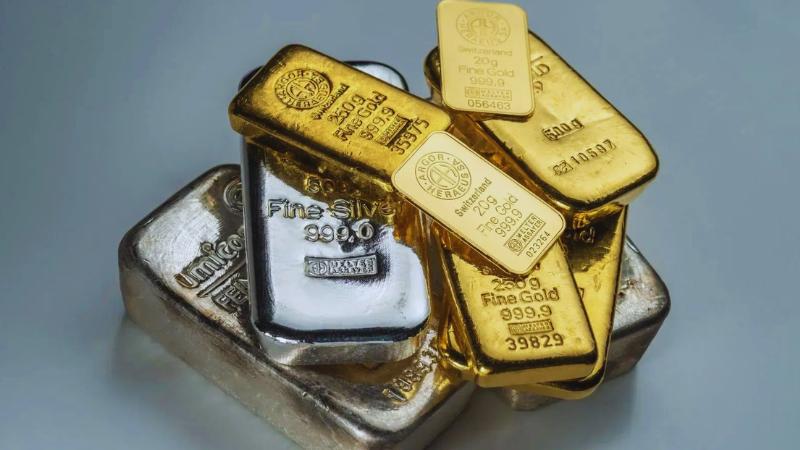
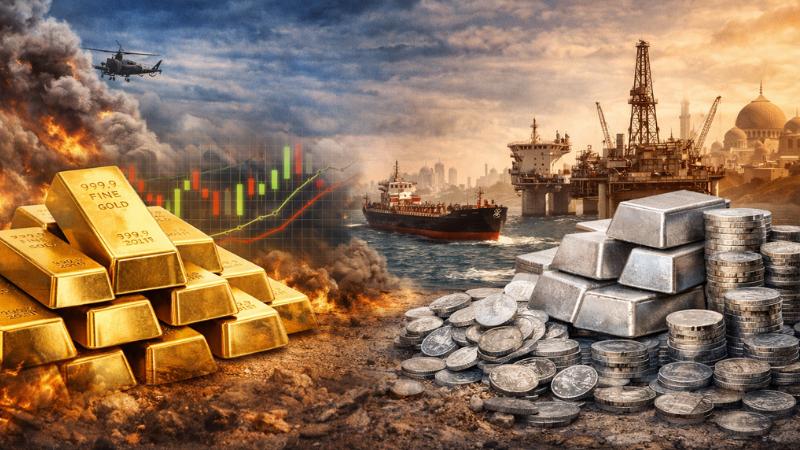
Gold prices have recently fallen below the Rs 1.5 lakh mark, sparking interest among investors wondering whether this is the right time to buy or if it’s better to wait. As geopolitical tensions rise, particularly in the Middle East, and the US dollar strengthens, precious metals have come under pressure, prompting many to reconsider their investment strategies. Gold, which was trading at Rs 1,49,513 on the Multi Commodity Exchange (MCX), faced a dip of Rs 167, while silver droppe
Gold Dips Below Rs 1.5 Lakh: Should You Buy Now or Wait?
Gold prices have recently fallen below the Rs 1.5 lakh mark, sparking interest among investors wondering whether this is the right time to buy or if it’s better to wait. As geopolitical tensions rise, particularly in the Middle East, and the US dollar strengthens, precious metals have come under pressure, prompting many to reconsider their investment strategies. Gold, which was trading at Rs 1,49,513 on the Multi Commodity Exchange (MCX), faced a dip of Rs 167, while silver droppe
Rupee Hits Record Low as It Slips Past 94 Mark Against US Dollar Amid Global Tensions
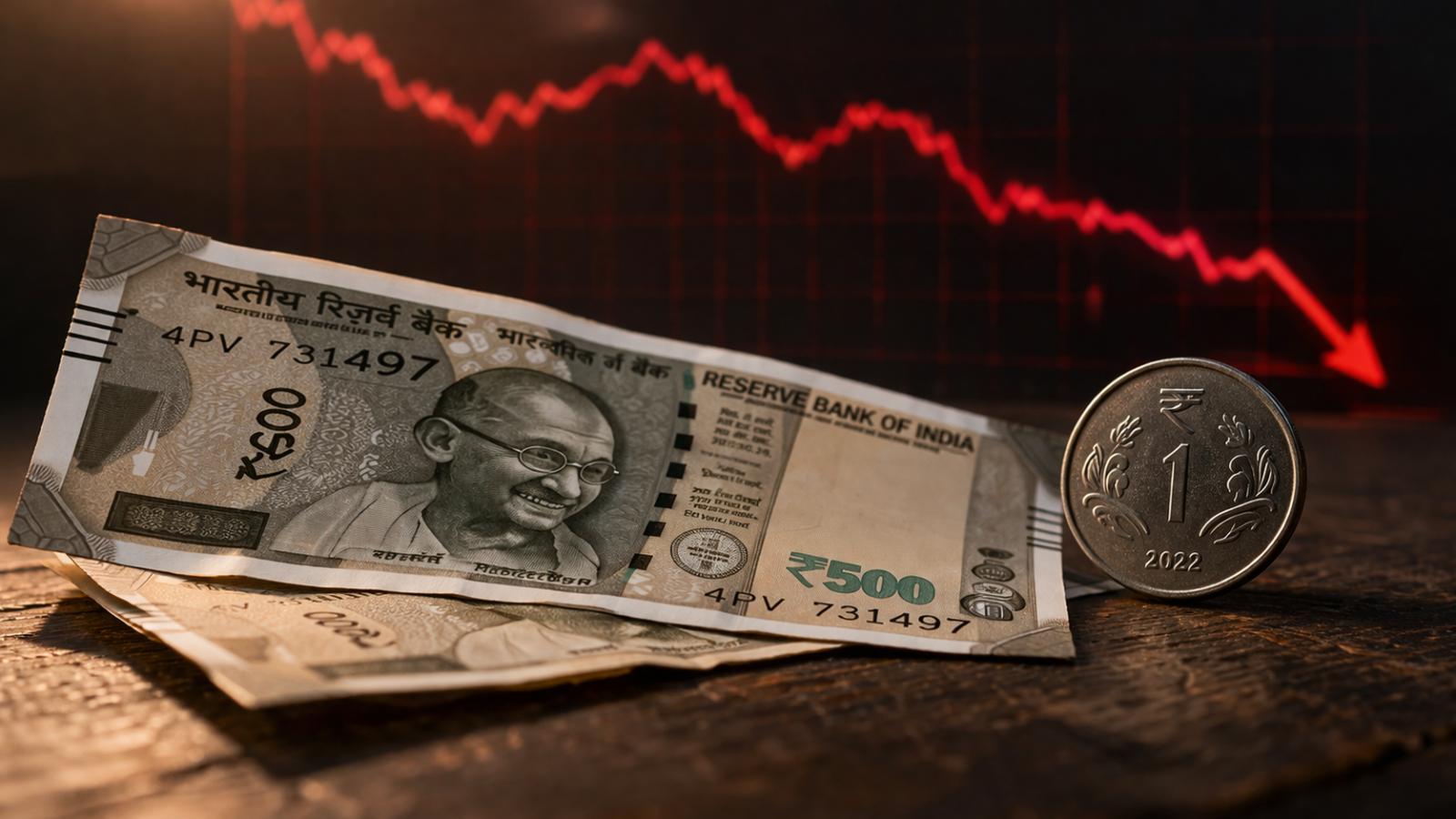
The Indian rupee has slipped to a new record low, falling to 94.1575 per US dollar, surpassing its previous all-time low of 93.98 set earlier this week. The continued decline is being attributed to growing concerns over the ongoing conflict in the Middle East, which has placed significant pressure on global markets, including the Indian currency. Since the war broke out late last month, the rupee has weakened by about 3.5%, reflecting the heightened uncertainty in international mark
Rupee Hits Record Low as It Slips Past 94 Mark Against US Dollar Amid Global Tensions
The Indian rupee has slipped to a new record low, falling to 94.1575 per US dollar, surpassing its previous all-time low of 93.98 set earlier this week. The continued decline is being attributed to growing concerns over the ongoing conflict in the Middle East, which has placed significant pressure on global markets, including the Indian currency. Since the war broke out late last month, the rupee has weakened by about 3.5%, reflecting the heightened uncertainty in international mark
Gold and Silver Prices Surge: Is Now the Right Time to Invest or Wait?
Gold and silver have witnessed significant price jumps recently, attracting attention from investors as global market conditions remain uncertain. After two consecutive days of price declines, both metals have made a strong rebound, with gold prices soaring by Rs 5,300 (3.82%) to reach Rs 1,44,212 on the Multi Commodity Exchange (MCX). Silver saw an even larger increase, rising by Rs 13,060 (5.82%), reaching Rs 2,36,980. This sharp uptick in precious metal prices is largely driven by weakenin
Gold and Silver Prices Surge: Is Now the Right Time to Invest or Wait?
Gold and silver have witnessed significant price jumps recently, attracting attention from investors as global market conditions remain uncertain. After two consecutive days of price declines, both metals have made a strong rebound, with gold prices soaring by Rs 5,300 (3.82%) to reach Rs 1,44,212 on the Multi Commodity Exchange (MCX). Silver saw an even larger increase, rising by Rs 13,060 (5.82%), reaching Rs 2,36,980. This sharp uptick in precious metal prices is largely driven by weakenin
Rupee Rebounds 7 Paise to 92.14 Against US Dollar Amid Falling Oil Prices
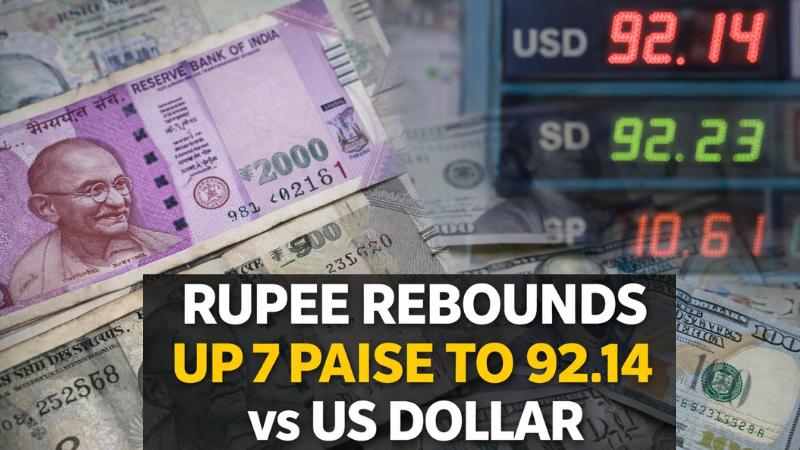
The Indian Rupee rebounded from its all-time low on Tuesday morning, rising by 7 paise to 92.14 against the US Dollar in early trade. This recovery follows a sharp fall in global oil prices, spurred by comments from US President Donald Trump regarding the potential end of the ongoing conflict with Iran. Additionally, a weaker US Dollar and a strong opening in the domestic equity markets further supported the local currency, although Foreign Institutional Investors (FII) outflows limited signi
Rupee Rebounds 7 Paise to 92.14 Against US Dollar Amid Falling Oil Prices
The Indian Rupee rebounded from its all-time low on Tuesday morning, rising by 7 paise to 92.14 against the US Dollar in early trade. This recovery follows a sharp fall in global oil prices, spurred by comments from US President Donald Trump regarding the potential end of the ongoing conflict with Iran. Additionally, a weaker US Dollar and a strong opening in the domestic equity markets further supported the local currency, although Foreign Institutional Investors (FII) outflows limited signi
China seeks stronger yuan as Xi Jinping outlines push for global reserve currency
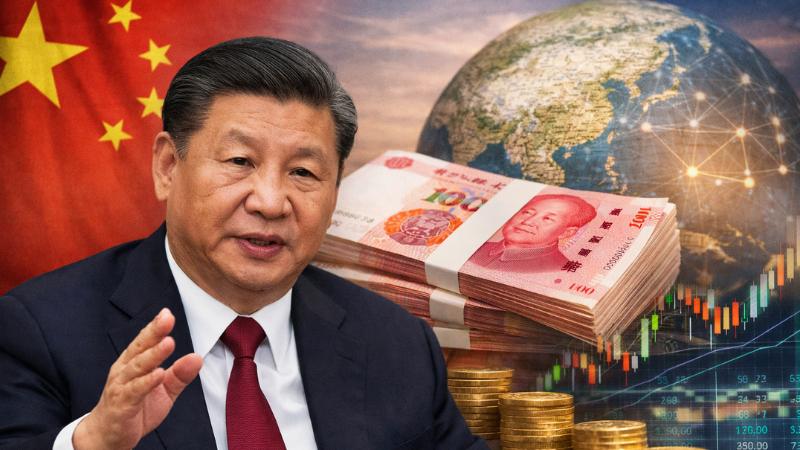
Amid continuing global economic uncertainty and renewed debate over the stability of major reserve currencies, Chinese President Xi Jinping has reiterated China’s ambition to build a “strong currency” and gradually elevate the yuan’s status in the global financial system. Xi said China aims to expand the use of the yuan in international trade, investment, and foreign exchange markets, underscoring a long-standing policy goal to strengthen the country’s financial influence worldwide. Xi’s remarks were outlined in a speech delivered in 2024 to senior provincial and ministerial officials and later published on Saturday in Qiushi, the Communist Party’s leading theoretical journal. The publication of excerpts from the address comes at a time of heightened volatility in global markets and growing scrutiny of the dominance of the US dollar, adding significance to Beijing’s renewed emphasis on currency strength and financial resilience. In the speech, Xi set out what he described as the essential characteristics of a global financial powerhouse. These included a solid economic foundation, world-leading technological and industrial capabilities, and a widely accepted and credible currency. He argued that currency strength was inseparable from broader national competitiveness and institutional capacity, noting that financial influence must be supported by real economic and technological power rather than short-term market movements. Xi also stressed the importance of a capable and independent central bank able to implement effective monetary policy and macroprudential management. He said globally competitive financial institutions, along with influential international financial centres, were necessary to attract global capital and exert pricing power in international markets. According to Xi, these elements must be matched with strong regulation, a reliable legal framework, and a deep pool of skilled financial professionals to ensure long-term stability and credibility. While acknowledging China’s scale in global finance, Xi noted that the country still faced structural limitations. He said China ranked among the world’s largest economies in terms of banking assets, foreign exchange reserves, and capital market size, but remained “big but not strong” overall. Transforming China into a true global financial powerhouse, he added, would be a gradual and long-term undertaking rather than an immediate achievement. Beijing has promoted the internationalisation of the yuan for more than a decade, with measurable progress in its use for cross-border trade settlement. The currency’s role in global markets, however, remains limited when compared with established reserve currencies. China’s Cross-Border Interbank Payment System currently clears an average of about 700 billion yuan, or roughly 100 billion US dollars, in transactions each day. This figure remains well below the nearly 2 trillion US dollars cleared daily through the dollar-based Clearing House Interbank Payments System. Yuan-denominated debt issuance in international markets also accounts for a small share of global activity, representing less than one percent of total issuance. These figures highlight the gap between China’s ambitions and the yuan’s current global footprint, despite steady domestic financial expansion. In recent months, the yuan has generally held firm against the US dollar, even amid trade tensions and uneven global growth. This stability contrasts with the sharper depreciation seen during former US President Donald Trump’s first term, when market observers speculated that Chinese authorities tolerated a weaker currency to offset the impact of tariffs. International investment banks continue to argue that the yuan remains below its long-term fair value, reflecting both policy controls and cautious foreign investor sentiment. The republication of Xi’s speech signals continuity in China’s financial strategy rather than a sudden shift. As global markets navigate uncertainty and reassess existing monetary structures, Beijing appears intent on steadily advancing its vision of a stronger yuan and a more influential role in the international financial system over the long term.
China seeks stronger yuan as Xi Jinping outlines push for global reserve currency
Amid continuing global economic uncertainty and renewed debate over the stability of major reserve currencies, Chinese President Xi Jinping has reiterated China’s ambition to build a “strong currency” and gradually elevate the yuan’s status in the global financial system. Xi said China aims to expand the use of the yuan in international trade, investment, and foreign exchange markets, underscoring a long-standing policy goal to strengthen the country’s financial influence worldwide. Xi’s remarks were outlined in a speech delivered in 2024 to senior provincial and ministerial officials and later published on Saturday in Qiushi, the Communist Party’s leading theoretical journal. The publication of excerpts from the address comes at a time of heightened volatility in global markets and growing scrutiny of the dominance of the US dollar, adding significance to Beijing’s renewed emphasis on currency strength and financial resilience. In the speech, Xi set out what he described as the essential characteristics of a global financial powerhouse. These included a solid economic foundation, world-leading technological and industrial capabilities, and a widely accepted and credible currency. He argued that currency strength was inseparable from broader national competitiveness and institutional capacity, noting that financial influence must be supported by real economic and technological power rather than short-term market movements. Xi also stressed the importance of a capable and independent central bank able to implement effective monetary policy and macroprudential management. He said globally competitive financial institutions, along with influential international financial centres, were necessary to attract global capital and exert pricing power in international markets. According to Xi, these elements must be matched with strong regulation, a reliable legal framework, and a deep pool of skilled financial professionals to ensure long-term stability and credibility. While acknowledging China’s scale in global finance, Xi noted that the country still faced structural limitations. He said China ranked among the world’s largest economies in terms of banking assets, foreign exchange reserves, and capital market size, but remained “big but not strong” overall. Transforming China into a true global financial powerhouse, he added, would be a gradual and long-term undertaking rather than an immediate achievement. Beijing has promoted the internationalisation of the yuan for more than a decade, with measurable progress in its use for cross-border trade settlement. The currency’s role in global markets, however, remains limited when compared with established reserve currencies. China’s Cross-Border Interbank Payment System currently clears an average of about 700 billion yuan, or roughly 100 billion US dollars, in transactions each day. This figure remains well below the nearly 2 trillion US dollars cleared daily through the dollar-based Clearing House Interbank Payments System. Yuan-denominated debt issuance in international markets also accounts for a small share of global activity, representing less than one percent of total issuance. These figures highlight the gap between China’s ambitions and the yuan’s current global footprint, despite steady domestic financial expansion. In recent months, the yuan has generally held firm against the US dollar, even amid trade tensions and uneven global growth. This stability contrasts with the sharper depreciation seen during former US President Donald Trump’s first term, when market observers speculated that Chinese authorities tolerated a weaker currency to offset the impact of tariffs. International investment banks continue to argue that the yuan remains below its long-term fair value, reflecting both policy controls and cautious foreign investor sentiment. The republication of Xi’s speech signals continuity in China’s financial strategy rather than a sudden shift. As global markets navigate uncertainty and reassess existing monetary structures, Beijing appears intent on steadily advancing its vision of a stronger yuan and a more influential role in the international financial system over the long term.
Dollar decline creates double-edged sword for US economy
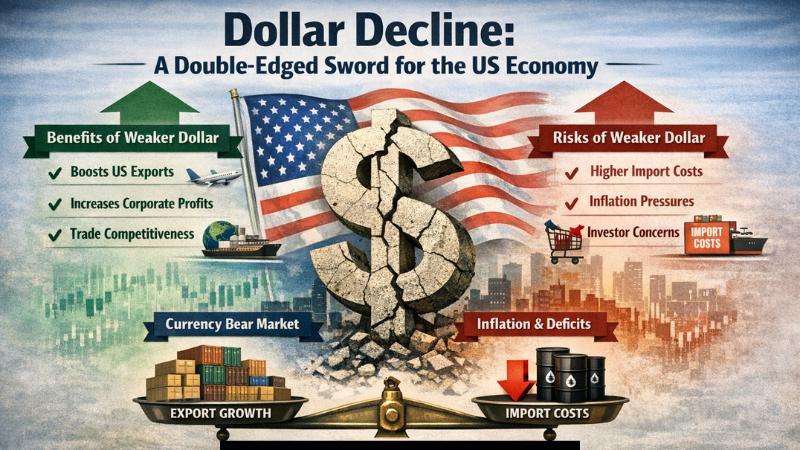
The U.S. dollar has continued its recent decline, extending a trend that presents both opportunities and challenges for the American economy. President Donald Trump described the currency as “doing great,” reflecting his view that a moderately weaker dollar can provide strategic benefits in international trade. Despite this optimism, economists warn that the weakening greenback represents a “double-edged sword,” offering advantages to exporters while introducing risks related to inflatio
Dollar decline creates double-edged sword for US economy
The U.S. dollar has continued its recent decline, extending a trend that presents both opportunities and challenges for the American economy. President Donald Trump described the currency as “doing great,” reflecting his view that a moderately weaker dollar can provide strategic benefits in international trade. Despite this optimism, economists warn that the weakening greenback represents a “double-edged sword,” offering advantages to exporters while introducing risks related to inflatio
Sell America trade accelerates as Trump–Europe tensions shake global markets
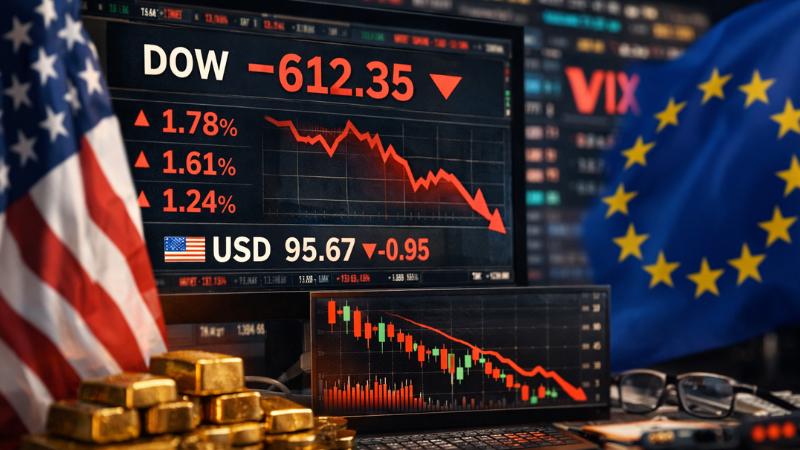
Global financial markets moved sharply lower Tuesday as renewed political tensions between the United States and Europe triggered a broad sell America trade, prompting investors to reduce exposure to U.S. assets. The shift came after President Donald Trump escalated rhetoric surrounding Greenland and proposed new tariffs targeting several European countries, reviving fears of a widening trade conflict and long-term economic fallout. U.S. bond prices fell steeply, pushing Treasury yi
Sell America trade accelerates as Trump–Europe tensions shake global markets
Global financial markets moved sharply lower Tuesday as renewed political tensions between the United States and Europe triggered a broad sell America trade, prompting investors to reduce exposure to U.S. assets. The shift came after President Donald Trump escalated rhetoric surrounding Greenland and proposed new tariffs targeting several European countries, reviving fears of a widening trade conflict and long-term economic fallout. U.S. bond prices fell steeply, pushing Treasury yi
Trump calls BRICS an attack on the dollar, warns of tariffs on member nations
US President Donald Trump has reignited debate over the influence of the BRICS bloc, claiming that the group represents “an attack on the dollar” and warning that countries joining it could face tariffs from the United States. Trump made the remarks during a bilateral lunch with Argentine President Javier Milei at the White House, reiterating his stance on protecting the dominance of the US dollar in global trade. Speaking to reporters, Trump asserted that the United States woul
Trump calls BRICS an attack on the dollar, warns of tariffs on member nations
US President Donald Trump has reignited debate over the influence of the BRICS bloc, claiming that the group represents “an attack on the dollar” and warning that countries joining it could face tariffs from the United States. Trump made the remarks during a bilateral lunch with Argentine President Javier Milei at the White House, reiterating his stance on protecting the dominance of the US dollar in global trade. Speaking to reporters, Trump asserted that the United States woul
Gold Prices Dip From Record High As Dollar Gains And Fed Signals Stir Market
Gold, the most closely watched safe-haven asset, slipped from its record peak this week, sparking fresh debate among investors and traders. The decline in 22-carat and 24-carat gold prices has been tied to three key factors: the strengthening US dollar, cautious Federal Reserve signals, and anticipation around upcoming economic data. Despite the retreat, gold remains under the spotlight as global uncertainty keeps demand resilient.
Gold Prices Dip From Record High As Dollar Gains And Fed Signals Stir Market
Gold, the most closely watched safe-haven asset, slipped from its record peak this week, sparking fresh debate among investors and traders. The decline in 22-carat and 24-carat gold prices has been tied to three key factors: the strengthening US dollar, cautious Federal Reserve signals, and anticipation around upcoming economic data. Despite the retreat, gold remains under the spotlight as global uncertainty keeps demand resilient.
US dollar falls to record lows in 2025 as global confidence erodes
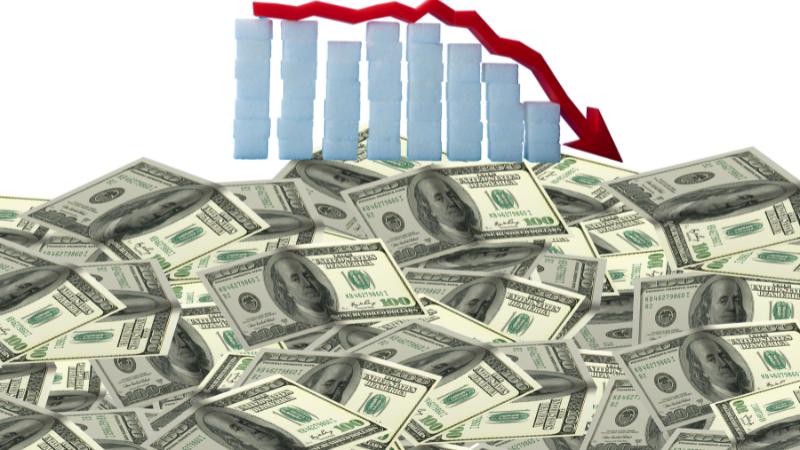
The US dollar is undergoing an unprecedented decline in 2025, losing its long-held status as the world's most reliable safe-haven currency. The steep fall is being driven by investor panic over erratic and unfunded economic policies, ballooning national debt, and an erosion of confidence in the country's financial institutions. As a result, global markets are experiencing turbulence not seen since the 2008 financial crisis. At the heart of the crisis are a series of unpred
US dollar falls to record lows in 2025 as global confidence erodes
The US dollar is undergoing an unprecedented decline in 2025, losing its long-held status as the world's most reliable safe-haven currency. The steep fall is being driven by investor panic over erratic and unfunded economic policies, ballooning national debt, and an erosion of confidence in the country's financial institutions. As a result, global markets are experiencing turbulence not seen since the 2008 financial crisis. At the heart of the crisis are a series of unpred
US dollar dips as steel tariffs and China trade tensions rattle investor confidence
The US dollar declined in early Monday trading, reversing some of the gains it posted last week, as investors responded to rising concerns about trade tensions and the potential for inflationary pressures. The latest drop followed the US administration's announcement to double tariffs on imported steel and aluminum to 50%, a move set to take effect this Wednesday. This aggressive shift in trade policy has reignited fears that economic growth could slow and inflation may spike.
US dollar dips as steel tariffs and China trade tensions rattle investor confidence
The US dollar declined in early Monday trading, reversing some of the gains it posted last week, as investors responded to rising concerns about trade tensions and the potential for inflationary pressures. The latest drop followed the US administration's announcement to double tariffs on imported steel and aluminum to 50%, a move set to take effect this Wednesday. This aggressive shift in trade policy has reignited fears that economic growth could slow and inflation may spike.