

















#usinflation
Trump’s Bold Iran Strategy: "We’ll Win Peacefully or Otherwise"
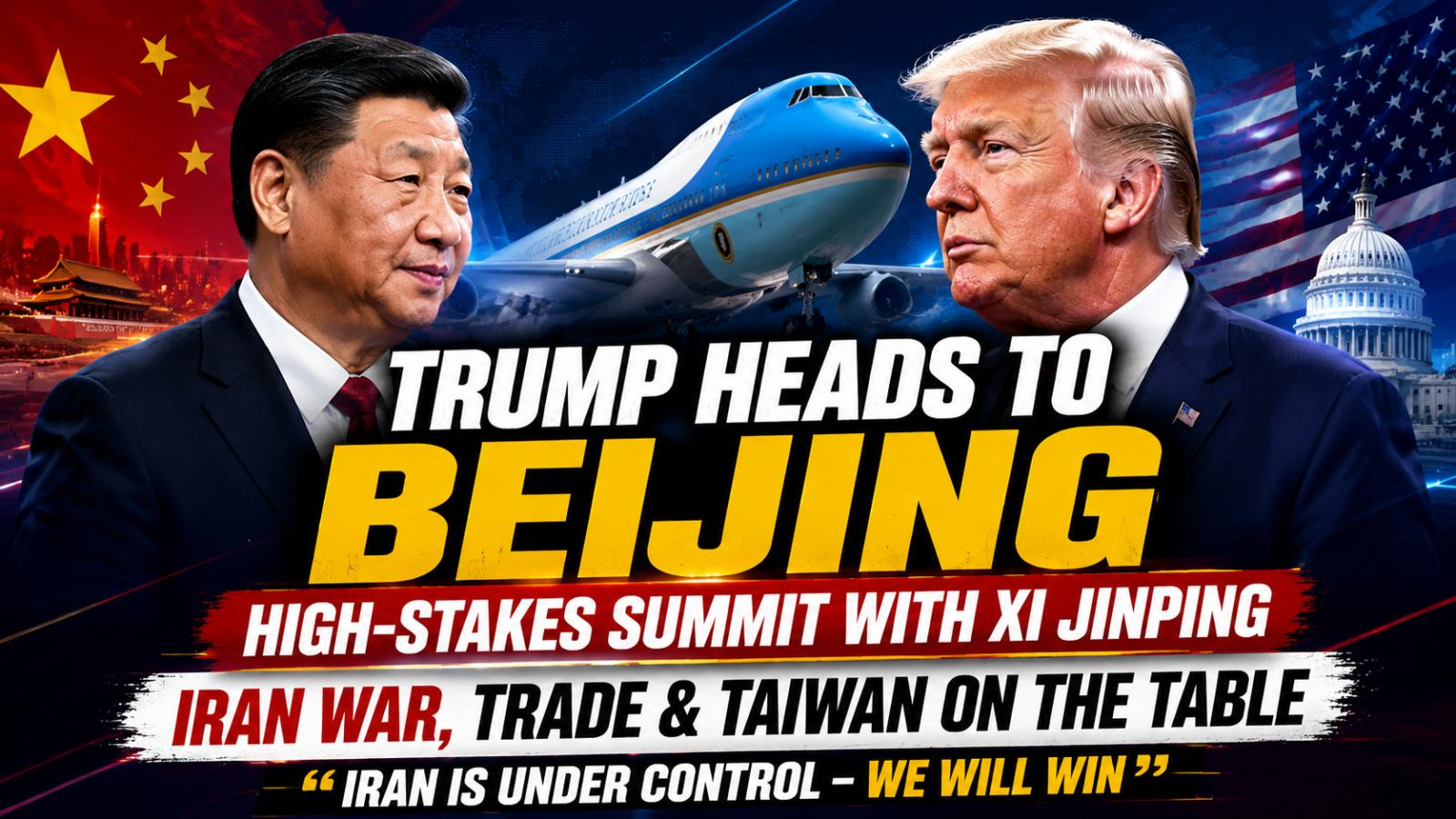
Trump’s Departure for Beijing President Donald Trump left Washington on May 12th for a high-stakes summit with Chinese President Xi Jinping in Beijing. As he boarded Air Force One for the trip, Trump addressed reporters, emphasizing that Iran is "under control" and that the United States either intends to make a deal or "decimate" Iran’s military capabilities. This rhetoric comes amid the ongoing conflict with Iran, with Trump reiterating his u
Trump’s Bold Iran Strategy: "We’ll Win Peacefully or Otherwise"
Trump’s Departure for Beijing President Donald Trump left Washington on May 12th for a high-stakes summit with Chinese President Xi Jinping in Beijing. As he boarded Air Force One for the trip, Trump addressed reporters, emphasizing that Iran is "under control" and that the United States either intends to make a deal or "decimate" Iran’s military capabilities. This rhetoric comes amid the ongoing conflict with Iran, with Trump reiterating his u
Dining costs surge in Houston as restaurants adjust pricing strategies
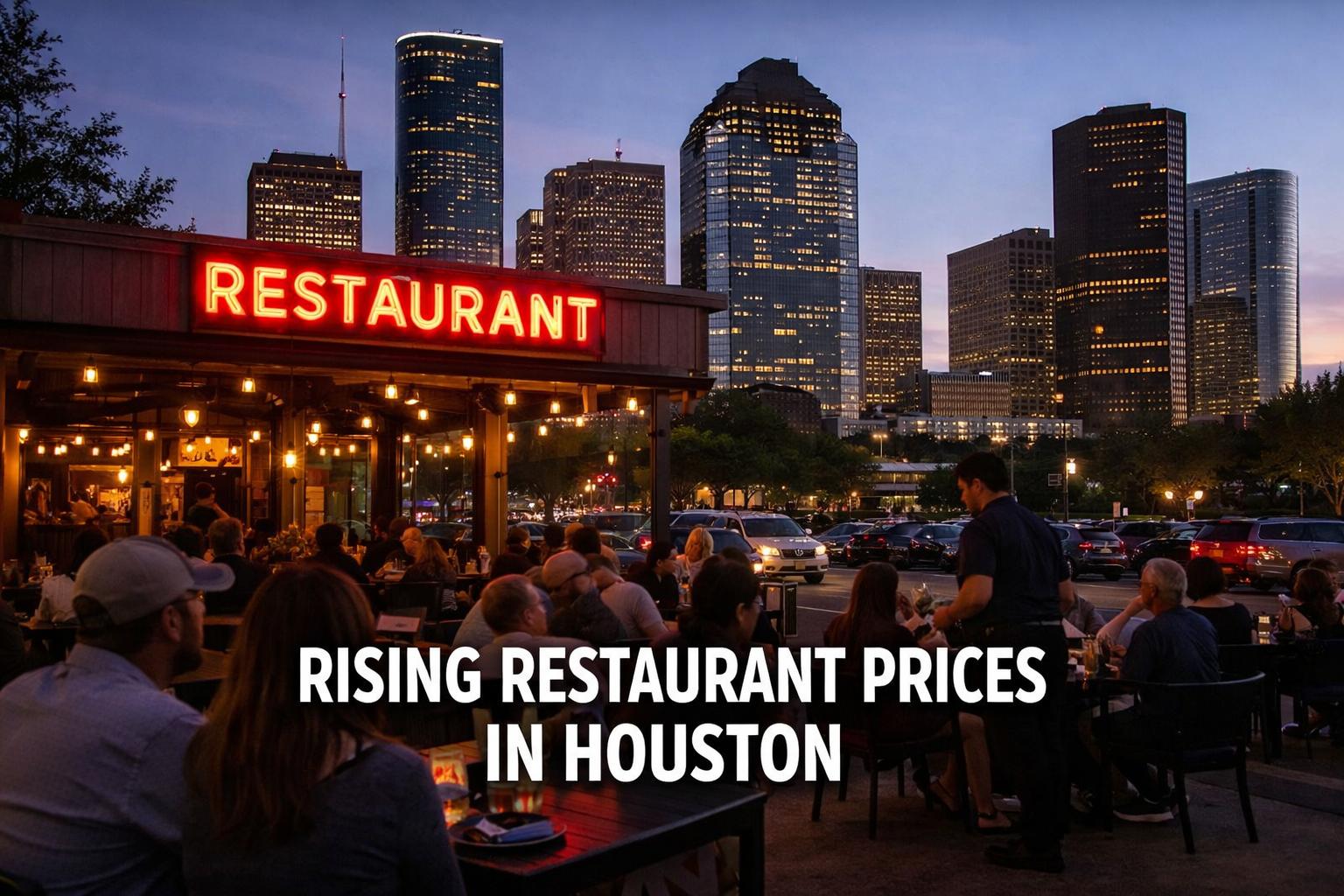
HOUSTON – The cost of dining out in Houston is increasing at a pace that outstrips many other major cities across the United States, reflecting broader economic pressures affecting both consumers and the food service industry. Recent industry data indicates that restaurant prices in Houston have risen by approximately 4.6% over the past year. This increase is placing additional strain on household budgets, particularly for individuals already managing tight financial conditions. What was once considered an affordable leisure activity is becoming more difficult for many residents to justify as everyday expenses continue to climb. The impact is being felt across the restaurant sector, from established businesses to newly launched ventures. Rising operational expenses, including rent, labor, and supply costs, are forcing business owners to rethink pricing strategies and overall operations. Many are working to balance the need to remain competitive with the necessity of maintaining profitability in a challenging market environment. For newer establishments, the financial burden can be especially significant. Initial cost projections for launching and maintaining a restaurant have increased sharply compared to previous years, making it more difficult for entrepreneurs to enter the market or sustain early operations. Higher monthly overheads are now a common concern, often exceeding earlier expectations by a substantial margin. Despite these challenges, restaurant operators are exploring ways to adapt. Adjustments may include revising menus, optimizing supply chains, and implementing cost-control measures aimed at preserving customer demand while managing expenses. However, the continued rise in prices suggests that both businesses and consumers will need to navigate ongoing economic uncertainty in the months ahead. As Houston’s dining landscape evolves, the interplay between rising costs and consumer spending habits will likely shape the future of the city’s restaurant industry.
Dining costs surge in Houston as restaurants adjust pricing strategies
HOUSTON – The cost of dining out in Houston is increasing at a pace that outstrips many other major cities across the United States, reflecting broader economic pressures affecting both consumers and the food service industry. Recent industry data indicates that restaurant prices in Houston have risen by approximately 4.6% over the past year. This increase is placing additional strain on household budgets, particularly for individuals already managing tight financial conditions. What was once considered an affordable leisure activity is becoming more difficult for many residents to justify as everyday expenses continue to climb. The impact is being felt across the restaurant sector, from established businesses to newly launched ventures. Rising operational expenses, including rent, labor, and supply costs, are forcing business owners to rethink pricing strategies and overall operations. Many are working to balance the need to remain competitive with the necessity of maintaining profitability in a challenging market environment. For newer establishments, the financial burden can be especially significant. Initial cost projections for launching and maintaining a restaurant have increased sharply compared to previous years, making it more difficult for entrepreneurs to enter the market or sustain early operations. Higher monthly overheads are now a common concern, often exceeding earlier expectations by a substantial margin. Despite these challenges, restaurant operators are exploring ways to adapt. Adjustments may include revising menus, optimizing supply chains, and implementing cost-control measures aimed at preserving customer demand while managing expenses. However, the continued rise in prices suggests that both businesses and consumers will need to navigate ongoing economic uncertainty in the months ahead. As Houston’s dining landscape evolves, the interplay between rising costs and consumer spending habits will likely shape the future of the city’s restaurant industry.
US-China 90-day tariff truce lifts global markets as inflation data weakens dollar
Markets across the globe rallied after a major breakthrough in US-China trade relations led to a temporary easing of tariffs, injecting optimism into an environment recently weighed down by economic uncertainty. A new agreement between the two economic giants saw both sides commit to a 90-day reduction in tariffs, effectively pausing years of escalating trade hostilities. The United States agreed to cut tariffs on Chinese imports from 145% to 30%, while China responded by lowering its tariffs on
US-China 90-day tariff truce lifts global markets as inflation data weakens dollar
Markets across the globe rallied after a major breakthrough in US-China trade relations led to a temporary easing of tariffs, injecting optimism into an environment recently weighed down by economic uncertainty. A new agreement between the two economic giants saw both sides commit to a 90-day reduction in tariffs, effectively pausing years of escalating trade hostilities. The United States agreed to cut tariffs on Chinese imports from 145% to 30%, while China responded by lowering its tariffs on


