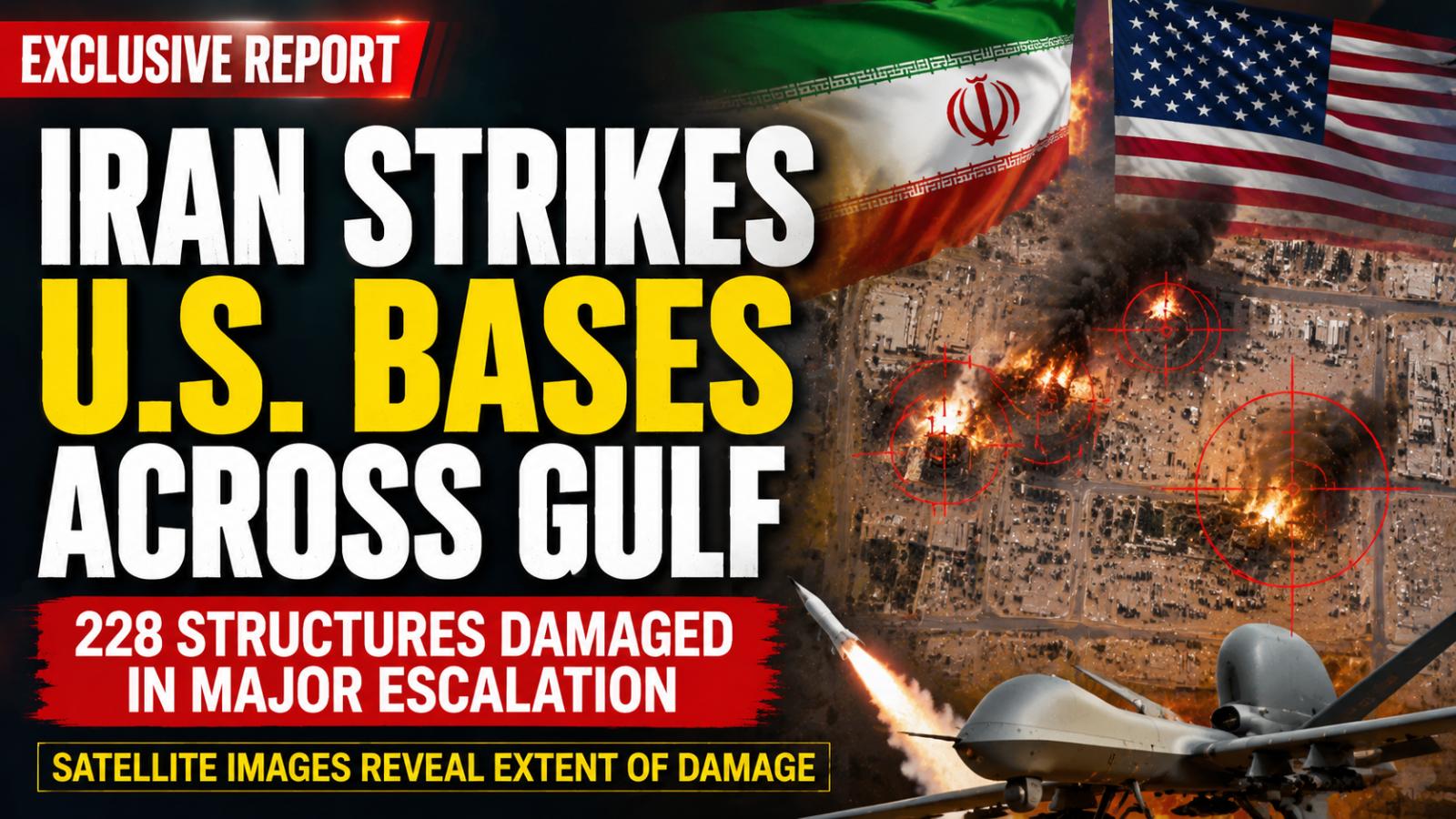
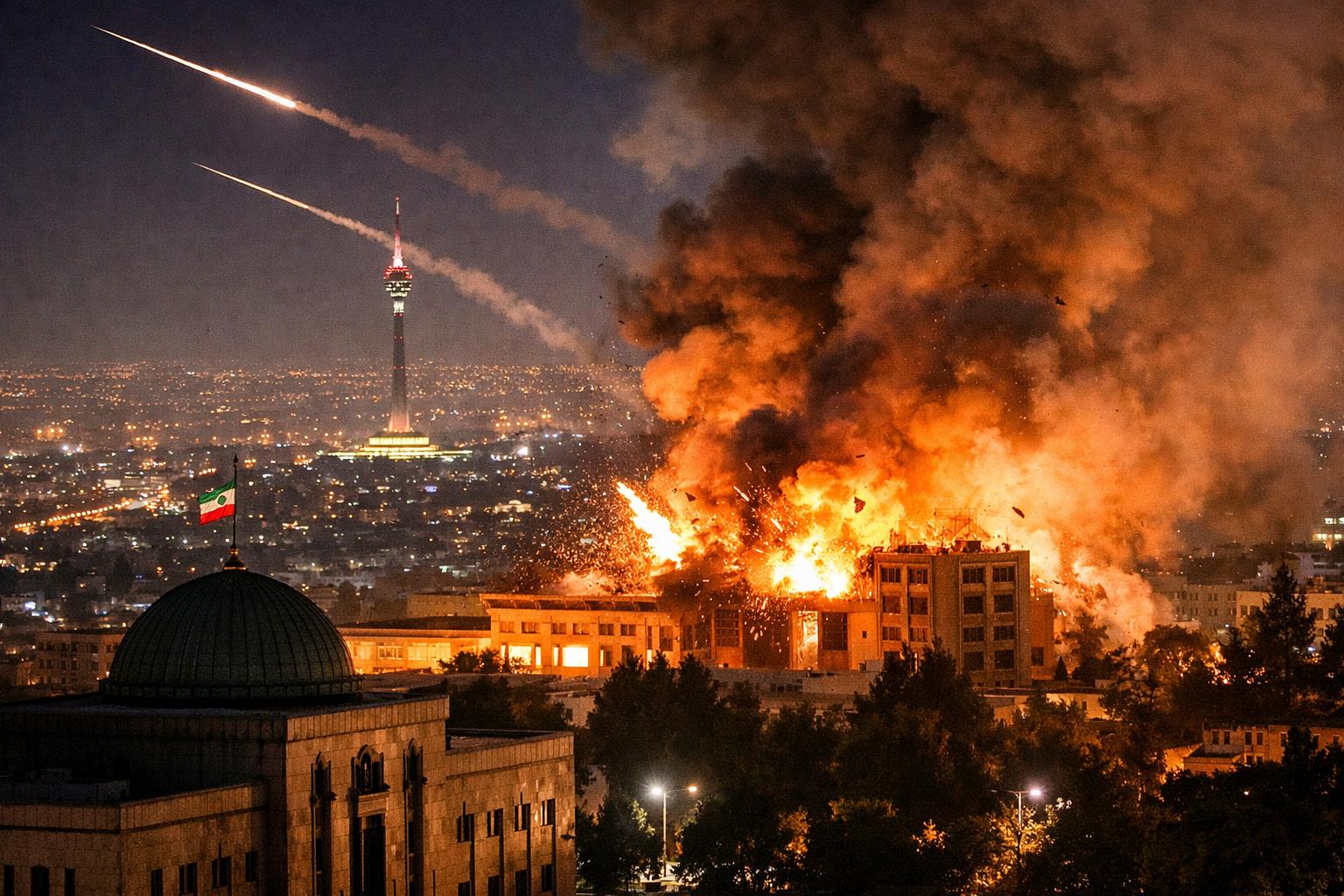
The Washington Post has reported, based on satellite imagery analysis, that Iranian airstrikes have severely damaged or destroyed at least 228 structures and pieces of equipment at U.S. military sites across the Gulf region since the conflict began on February 28. This number far exceeds the figures acknowledged by the U.S. government. The strikes affected 15 U.S. military sites in Kuwait, Bahrain, Qatar, Saudi Arabia, Jordan, and the UAE.
Satellite images from Iranian state-affiliated media, along with 109 images from the EU's Copernicus satellite system and commercial sources, provided evidence of the scale of the damage. The investigation uncovered damage to 217 structures and 11 pieces of equipment, including hangars, barracks, fuel depots, aircraft, radar systems, and air defense equipment. In total, seven U.S. service members were killed in attacks on regional bases, six in Kuwait and one in Saudi Arabia, while more than 400 troops were injured by late April. Of the injured, 12 sustained serious injuries.
More than half of the documented damage occurred at the U.S. 5th Fleet headquarters in Bahrain and major U.S. facilities in Kuwait. Iranian forces targeted critical infrastructure, including fuel bladders and Patriot missile defense systems at Ali al-Salem Air Base in Kuwait. Attacks also hit barracks, power infrastructure, and operational facilities at Camp Arifjan and Camp Buehring in Kuwait. Other U.S. sites, such as Al-Udeid Air Base in Qatar and naval facilities in Bahrain, saw significant damage to satellite communications infrastructure.
Iran’s airstrikes have demonstrated a higher degree of precision than expected. Mark Cancian of the Center for Strategic and International Studies noted that "there are no random craters indicating misses," suggesting that the attacks were highly targeted.
This precision has placed considerable strain on U.S.-made defense systems in the Gulf. Between February 28 and April 8, U.S. forces used at least 190 THAAD interceptors, nearly 53% of their pre-war inventory, and 1,060 Patriot interceptors, about 43% of their pre-war stock. Despite these efforts, U.S. air defenses have struggled to cope with modern drone warfare, where one-way attack drones are difficult to intercept yet highly accurate.
The strikes have forced U.S. commanders to relocate personnel from bases at risk, with some U.S. officials describing the damage at the Naval Support Activity Bahrain as “extensive.” Personnel from the site have been relocated to MacDill Air Force Base in Tampa, Florida. The U.S. Central Command declined to provide further counter-assessments, citing the need for a complete evaluation after the conflict ends.
This extensive damage underscores the ongoing challenges faced by U.S. forces in the Gulf and highlights the evolving nature of modern warfare.
The Washington Post has reported, based on satellite imagery analysis, that Iranian airstrikes have severely damaged or destroyed at least 228 structures and pieces of equipment at U.S. military sites across the Gulf region since the conflict began on February 28. This number far exceeds the figures acknowledged by the U.S. government. The strikes affected 15 U.S. military sites in Kuwait, Bahrain, Qatar, Saudi Arabia, Jordan, and the UAE.
Satellite images from Iranian state-affiliated media, along with 109 images from the EU's Copernicus satellite system and commercial sources, provided evidence of the scale of the damage. The investigation uncovered damage to 217 structures and 11 pieces of equipment, including hangars, barracks, fuel depots, aircraft, radar systems, and air defense equipment. In total, seven U.S. service members were killed in attacks on regional bases, six in Kuwait and one in Saudi Arabia, while more than 400 troops were injured by late April. Of the injured, 12 sustained serious injuries.
More than half of the documented damage occurred at the U.S. 5th Fleet headquarters in Bahrain and major U.S. facilities in Kuwait. Iranian forces targeted critical infrastructure, including fuel bladders and Patriot missile defense systems at Ali al-Salem Air Base in Kuwait. Attacks also hit barracks, power infrastructure, and operational facilities at Camp Arifjan and Camp Buehring in Kuwait. Other U.S. sites, such as Al-Udeid Air Base in Qatar and naval facilities in Bahrain, saw significant damage to satellite communications infrastructure.
Iran’s airstrikes have demonstrated a higher degree of precision than expected. Mark Cancian of the Center for Strategic and International Studies noted that "there are no random craters indicating misses," suggesting that the attacks were highly targeted.
This precision has placed considerable strain on U.S.-made defense systems in the Gulf. Between February 28 and April 8, U.S. forces used at least 190 THAAD interceptors, nearly 53% of their pre-war inventory, and 1,060 Patriot interceptors, about 43% of their pre-war stock. Despite these efforts, U.S. air defenses have struggled to cope with modern drone warfare, where one-way attack drones are difficult to intercept yet highly accurate.
The strikes have forced U.S. commanders to relocate personnel from bases at risk, with some U.S. officials describing the damage at the Naval Support Activity Bahrain as “extensive.” Personnel from the site have been relocated to MacDill Air Force Base in Tampa, Florida. The U.S. Central Command declined to provide further counter-assessments, citing the need for a complete evaluation after the conflict ends.
This extensive damage underscores the ongoing challenges faced by U.S. forces in the Gulf and highlights the evolving nature of modern warfare.
Iran’s newly appointed Supreme Leader Mojtaba Khamenei delivered a strong and defiant message in his first public statement since assuming the country’s highest leadership position, warning that Iran will continue responding to what it describes as hostile actions by the United States and its allies. In the message broadcast on state television on Thursday, March 12, Khamenei vowed revenge for what he called crimes committed against Iran and signaled that attacks linked to ongoing regional t
Iran’s newly appointed Supreme Leader Mojtaba Khamenei delivered a strong and defiant message in his first public statement since assuming the country’s highest leadership position, warning that Iran will continue responding to what it describes as hostile actions by the United States and its allies. In the message broadcast on state television on Thursday, March 12, Khamenei vowed revenge for what he called crimes committed against Iran and signaled that attacks linked to ongoing regional t
Israel’s air force carried out overnight strikes on key government sites in Iran, including the country’s presidential complex and a building linked to its top security authority, according to a statement issued by the Israel Defense Forces. The military said it targeted what it described as the “Iranian regime’s leadership compound,” identifying it as the central headquarters of Iran’s leadership structure.
In a post published on X, the Israel Defense Forces stated that
Israel’s air force carried out overnight strikes on key government sites in Iran, including the country’s presidential complex and a building linked to its top security authority, according to a statement issued by the Israel Defense Forces. The military said it targeted what it described as the “Iranian regime’s leadership compound,” identifying it as the central headquarters of Iran’s leadership structure.
In a post published on X, the Israel Defense Forces stated that
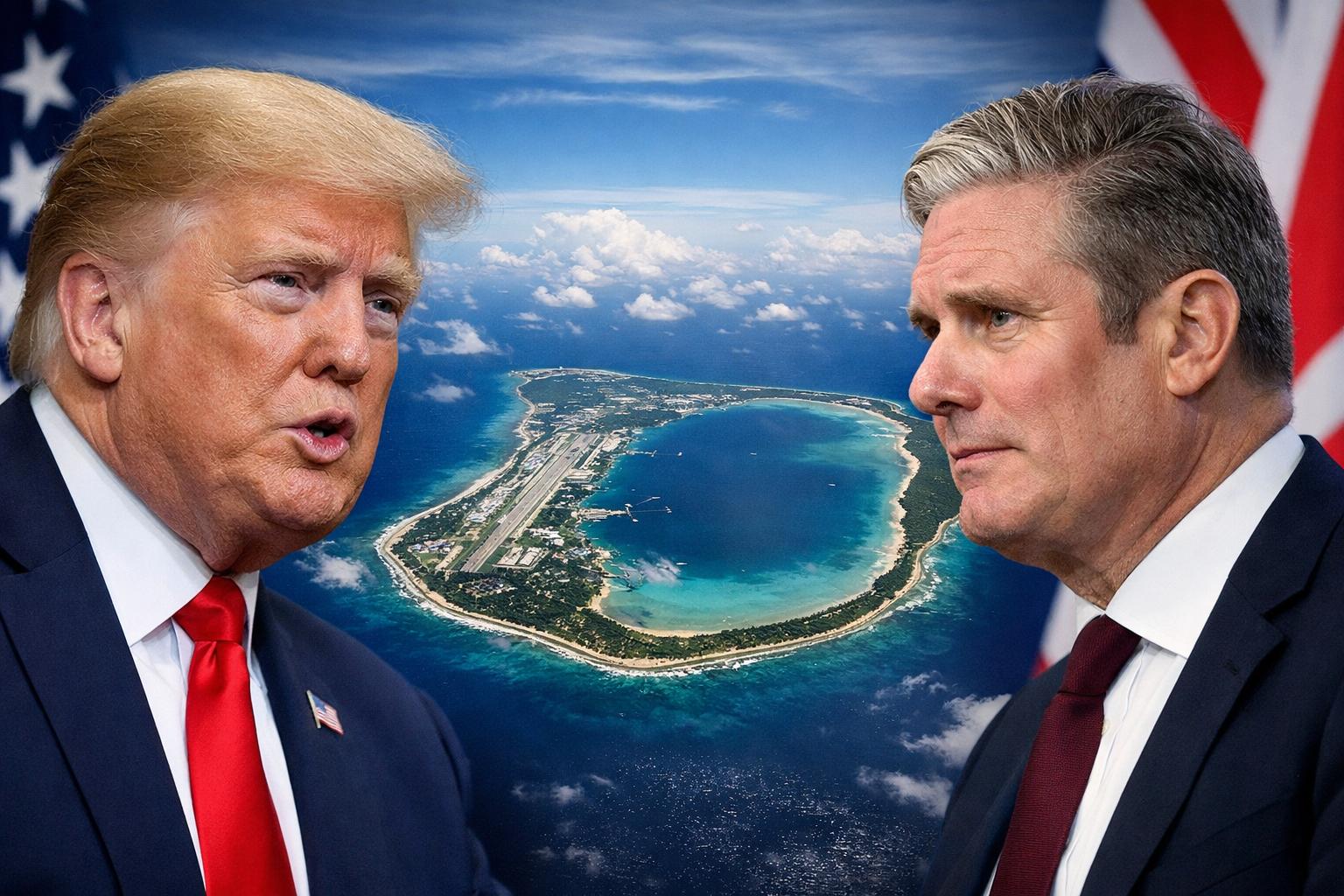
US President Donald Trump on Wednesday publicly criticized British Prime Minister Keir Starmer over the United Kingdom’s handling of the strategically important island of Diego Garcia, warning that London could be making a significant strategic error.
In a post on Truth Social dated February 18, Trump said he had advised Starmer that entering into a 100-year lease arrangement concerning Diego Garcia was a “big mistake.” The island, located in the Indian Ocean and part of the Chagos Arc
US President Donald Trump on Wednesday publicly criticized British Prime Minister Keir Starmer over the United Kingdom’s handling of the strategically important island of Diego Garcia, warning that London could be making a significant strategic error.
In a post on Truth Social dated February 18, Trump said he had advised Starmer that entering into a 100-year lease arrangement concerning Diego Garcia was a “big mistake.” The island, located in the Indian Ocean and part of the Chagos Arc