



















The US stock market increasingly supports household retirement savings as Social Security faces long-term financial pressure. Widespread stock ownership, 401(k) dependence and new investment accounts could make a prolonged market crash politically harder for Washington to tolerate. Stock ownership becomes a political force The American stock market is no longer limited to professional investors and wealthy traders. Million
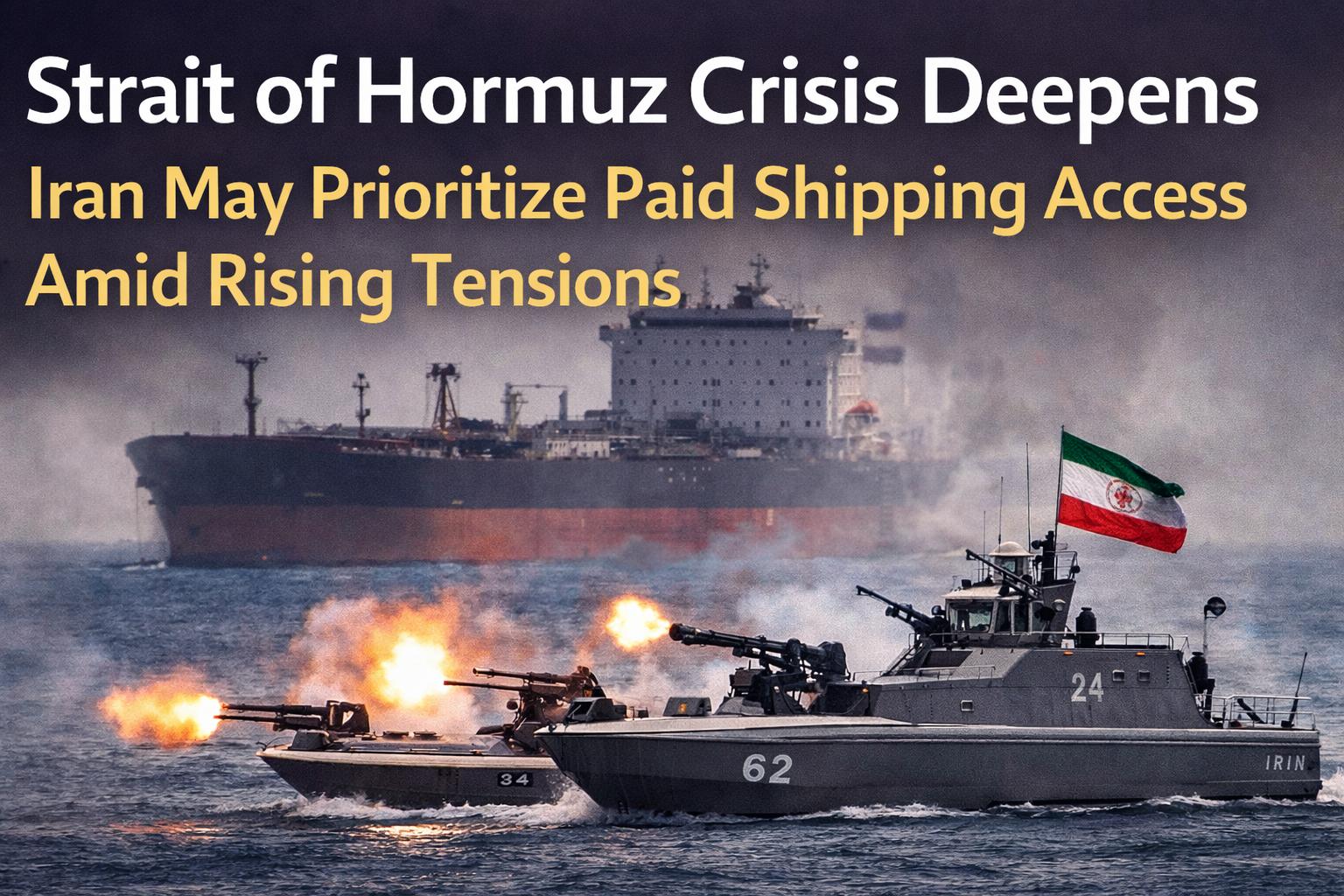
US stock markets surged to fresh record highs as easing geopolitical tensions triggered a sharp decline in oil prices, boosting investor confidence across global markets. Sentiment improved after reports of the reopening of the Strait of Hormuz, easing concerns over potential disruptions to global oil supply. The rally was led by the
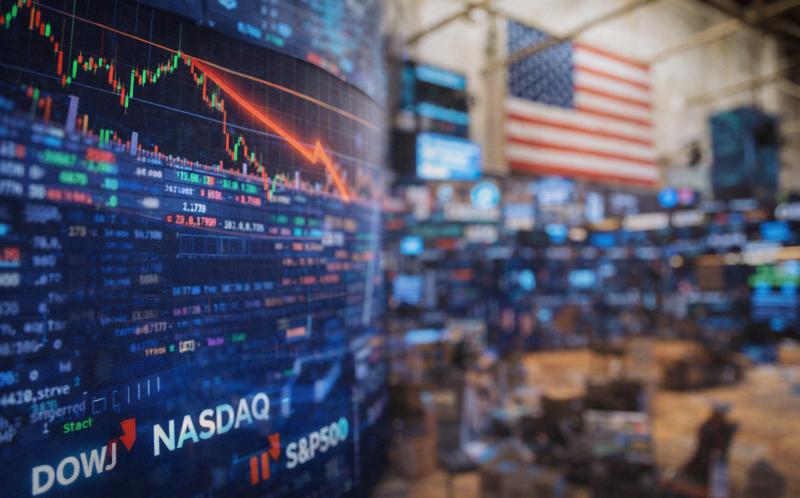
U.S. stock markets closed weaker as investors reacted to escalating geopolitical uncertainty. Major indices, including the Dow Jones Industrial Average, S&P 500, and Nasdaq, fell following comments from U.S. leadership that the conflict with Iran will continue in the coming weeks, which kept risk sentiment subdued. The S&P 500, which tracks 500 of the largest U.S. companies, declined nearly 0.9% on the day. Broader equity benchmarks weakened as stock buyers remained cautious
The Dow Jones Industrial Average dropped by 84.75 points, or 0.18%, finishing at 46,123.72. The S&P 500 also saw a decline, losing 21.42 points (0.33%) to settle at 6,559.62. The Nasdaq Composite experienced a sharper drop, falling by 184.87 points (0.84%), closing at 21,761.89. As tensions remain high in the Middle East, with thousands of US Marines heading to the Gulf and both sides intensifying military actions, the markets are reflecting investor uncertainty. Despite Trump's delay on his self-imposed deadline for Iran to reopen the Strait of Hormuz, Iran's firm stance denying negotiations has contributed to the geopolitical instability, further impacting investor sentiment.