








#washingtonpolitics
Bill Pulte Acting DNI Role Sparks Debate Over Experience, FHFA Power and Online Past
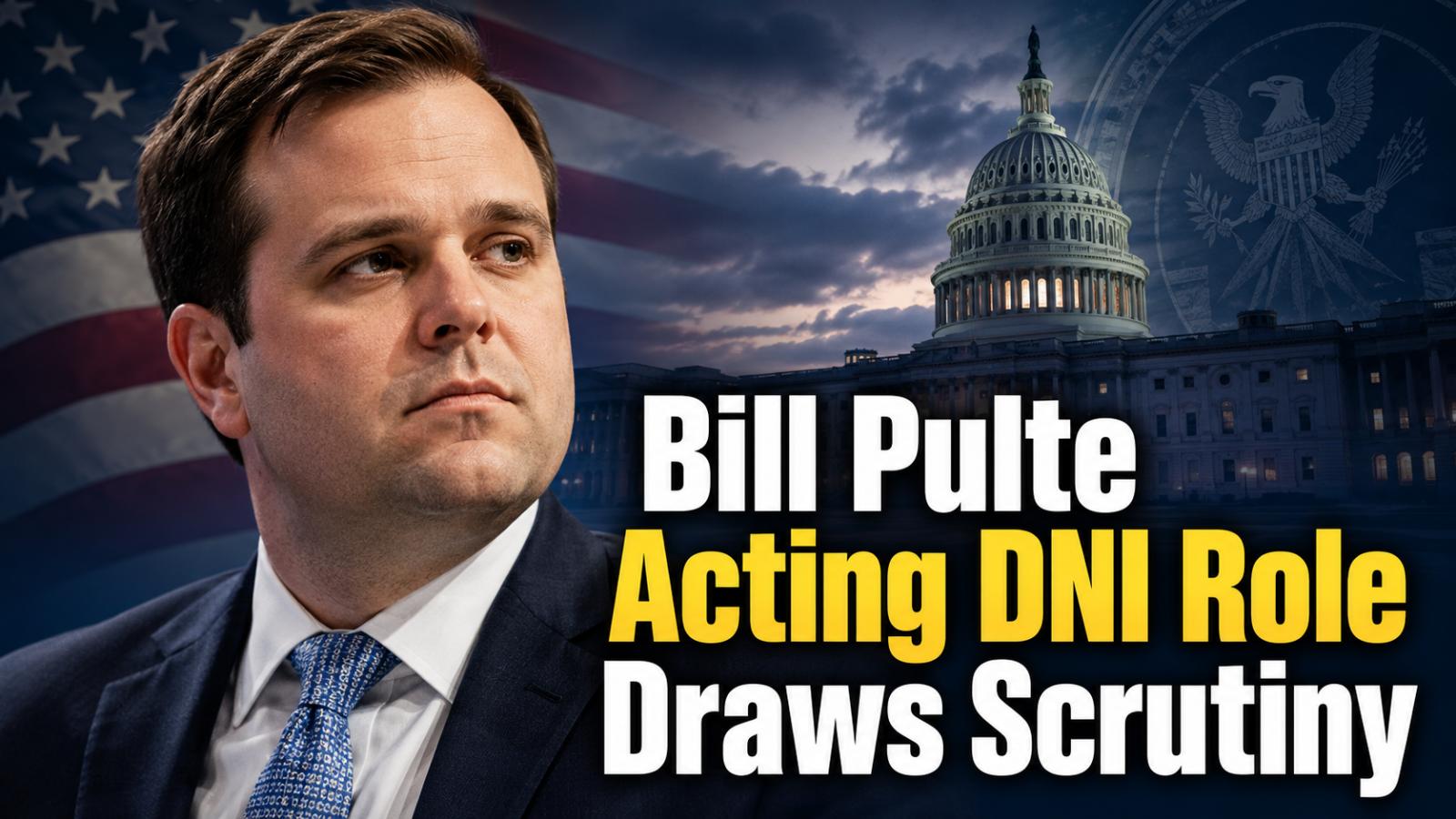
Bill Pulte’s temporary move into the acting Director of National Intelligence role has quickly become one of the most debated political stories in Washington. President Donald Trump selected Pulte, the head of the Federal Housing Finance Agency, for the acting intelligence post, creating immediate questions about experience, authority and national security judgment. Pulte is not a traditional intelligence figure. His public career has been built around business, housing finance, politics and online influence, not foreign threats, classified briefings or intelligence operations. That contrast is the main reason his appointment is drawing attention from both supporters and critics. Trump has said Pulte will not be nominated for the permanent DNI position, which makes the role temporary. But even a short-term intelligence appointment matters because the office is connected to highly sensitive information, national security decisions and coordination across America’s intelligence agencies. From Housing Regulator to Intelligence Role Before this acting intelligence assignment, Pulte was best known for leading the Federal Housing Finance Agency. The FHFA plays a major role in the U.S. housing market because it oversees important housing finance institutions connected to Fannie Mae and Freddie Mac. That is a powerful financial position, but it is very different from managing intelligence matters. Housing regulation deals with mortgage markets, financial stability and housing policy. The DNI role deals with threats from foreign governments, cyber risks, classified intelligence, terrorism, surveillance and national security strategy. This gap is what makes the appointment controversial. Supporters argue that Pulte has handled sensitive financial responsibilities and understands large institutions. Critics say that financial oversight is not the same as national security leadership. Experience Questions Become the Main Issue The biggest concern around Bill Pulte’s acting DNI role is experience. Lawmakers and national security observers are asking whether someone without a long intelligence background should temporarily lead such a sensitive part of the federal government. The debate is not only about Pulte personally. It is also about the standard expected for intelligence leadership. The U.S. intelligence system depends on trust, professionalism and careful handling of classified material. Any appointment to that space naturally receives closer scrutiny than an ordinary political post. For Trump’s supporters, Pulte represents an outsider who is loyal, energetic and willing to challenge Washington habits. For critics, that same outsider status is the problem. They argue that the intelligence community is not the right place for political experimentation. Online Past Adds Another Layer to the Debate Pulte’s online history is also part of the discussion. Before becoming a major government figure, he built a large public following through social media activity and online philanthropy. He became known for giving money to people online, interacting directly with followers and building a strong digital image. That online presence helped him gain popularity among everyday users and retail investor communities. But in Washington, a large and emotional online following can be viewed in two ways. It can be seen as proof of public connection, or it can raise questions about judgment, influence and political messaging. This is why his online past has returned to the spotlight. The acting DNI role is not just another public-facing job. It is tied to classified information and national security. Public behavior, online statements and political alliances are therefore being examined more closely. Meme Stock and Bed Bath Beyond Links Resurface Another part of Pulte’s public image comes from his connection with retail investor circles, especially communities that followed meme-stock stories. His name became familiar among online groups that discussed companies such as Bed Bath & Beyond after its collapse. Some retail investors continued to believe that the company could return in a new form. Pulte appeared in related discussions and became a known figure among people following that story. Bed Bath & Beyond was not revived in the way many online supporters hoped, but the association remained part of his public profile. This does not automatically disqualify him from public service. But it does shape perception. Critics may use it to question seriousness and judgment, while supporters may argue that it shows he understands ordinary investors and online communities better than traditional Washington insiders. Why National Security Critics Are Concerned The concern around Pulte’s acting DNI role is simple: intelligence leadership carries real consequences. The person in that position may be connected to information about foreign threats, cyberattacks, military risks, surveillance programs and sensitive government operations. Critics worry that a politically loyal figure with limited intelligence experience could weaken public confidence in the office. They also worry about whether sensitive intelligence could become part of political battles. This is where the debate becomes bigger than Pulte. The appointment raises a broader question: should temporary intelligence leaders come from inside the national security world, or can presidents place trusted political allies in those roles for short periods? Supporters See Loyalty and Business Discipline Pulte’s supporters view the issue differently. They argue that Washington often protects insiders and resists outsiders who challenge the system. From their perspective, Pulte’s business background and FHFA leadership show that he can manage complex institutions. They also say Trump wants people he trusts in key government roles. In a temporary acting position, supporters believe Pulte can bring discipline, loyalty and fresh thinking without needing to become a lifelong intelligence professional. This argument may appeal to voters who are tired of traditional Washington appointments. However, it may not fully answer the core concern: intelligence work is specialized, and mistakes in that space can be costly. Political Loyalty Becomes Part of the Story Pulte is widely seen as a Trump ally, and that political connection is central to the controversy. In normal circumstances, presidents often choose people they trust. But intelligence roles are expected to maintain a high level of independence and professionalism. That is why political loyalty becomes sensitive here. If the public sees the intelligence office as too political, trust can fall. If lawmakers believe the role is being used for political purposes, confirmation fights and oversight battles become more intense. Trump’s decision to keep the role temporary may reduce some pressure, but it does not end the debate. Even temporary appointments can influence policy, access information and send a message about how the administration views intelligence leadership. What This Means for Pulte and Trump For Bill Pulte, the acting DNI role brings national attention far beyond housing policy. His FHFA record, online past, meme-stock associations and political loyalty are all now being discussed together. For Trump, the appointment fits a familiar pattern of choosing loyal outsiders for powerful roles. That approach energizes supporters but often creates friction with lawmakers, experts and institutions. The political risk is clear. If Pulte performs quietly and temporarily, the controversy may fade. If he becomes involved in highly political intelligence matters, the scrutiny will grow much stronger. Final Takeaway Bill Pulte’s acting DNI role is not just a personnel story. It is a test of how far political loyalty, business experience and outsider appeal can go in a role traditionally tied to national security expertise. His supporters see a capable Trump ally with financial leadership experience. His critics see a housing regulator with limited intelligence credentials and a complicated online image entering one of the most sensitive areas of government. For now, the role is temporary. But the debate around Bill Pulte, the FHFA, online influence, meme-stock culture and U.S. intelligence leadership is likely to remain a major Washington talking point.
Bill Pulte Acting DNI Role Sparks Debate Over Experience, FHFA Power and Online Past
Bill Pulte’s temporary move into the acting Director of National Intelligence role has quickly become one of the most debated political stories in Washington. President Donald Trump selected Pulte, the head of the Federal Housing Finance Agency, for the acting intelligence post, creating immediate questions about experience, authority and national security judgment. Pulte is not a traditional intelligence figure. His public career has been built around business, housing finance, politics and online influence, not foreign threats, classified briefings or intelligence operations. That contrast is the main reason his appointment is drawing attention from both supporters and critics. Trump has said Pulte will not be nominated for the permanent DNI position, which makes the role temporary. But even a short-term intelligence appointment matters because the office is connected to highly sensitive information, national security decisions and coordination across America’s intelligence agencies. From Housing Regulator to Intelligence Role Before this acting intelligence assignment, Pulte was best known for leading the Federal Housing Finance Agency. The FHFA plays a major role in the U.S. housing market because it oversees important housing finance institutions connected to Fannie Mae and Freddie Mac. That is a powerful financial position, but it is very different from managing intelligence matters. Housing regulation deals with mortgage markets, financial stability and housing policy. The DNI role deals with threats from foreign governments, cyber risks, classified intelligence, terrorism, surveillance and national security strategy. This gap is what makes the appointment controversial. Supporters argue that Pulte has handled sensitive financial responsibilities and understands large institutions. Critics say that financial oversight is not the same as national security leadership. Experience Questions Become the Main Issue The biggest concern around Bill Pulte’s acting DNI role is experience. Lawmakers and national security observers are asking whether someone without a long intelligence background should temporarily lead such a sensitive part of the federal government. The debate is not only about Pulte personally. It is also about the standard expected for intelligence leadership. The U.S. intelligence system depends on trust, professionalism and careful handling of classified material. Any appointment to that space naturally receives closer scrutiny than an ordinary political post. For Trump’s supporters, Pulte represents an outsider who is loyal, energetic and willing to challenge Washington habits. For critics, that same outsider status is the problem. They argue that the intelligence community is not the right place for political experimentation. Online Past Adds Another Layer to the Debate Pulte’s online history is also part of the discussion. Before becoming a major government figure, he built a large public following through social media activity and online philanthropy. He became known for giving money to people online, interacting directly with followers and building a strong digital image. That online presence helped him gain popularity among everyday users and retail investor communities. But in Washington, a large and emotional online following can be viewed in two ways. It can be seen as proof of public connection, or it can raise questions about judgment, influence and political messaging. This is why his online past has returned to the spotlight. The acting DNI role is not just another public-facing job. It is tied to classified information and national security. Public behavior, online statements and political alliances are therefore being examined more closely. Meme Stock and Bed Bath Beyond Links Resurface Another part of Pulte’s public image comes from his connection with retail investor circles, especially communities that followed meme-stock stories. His name became familiar among online groups that discussed companies such as Bed Bath & Beyond after its collapse. Some retail investors continued to believe that the company could return in a new form. Pulte appeared in related discussions and became a known figure among people following that story. Bed Bath & Beyond was not revived in the way many online supporters hoped, but the association remained part of his public profile. This does not automatically disqualify him from public service. But it does shape perception. Critics may use it to question seriousness and judgment, while supporters may argue that it shows he understands ordinary investors and online communities better than traditional Washington insiders. Why National Security Critics Are Concerned The concern around Pulte’s acting DNI role is simple: intelligence leadership carries real consequences. The person in that position may be connected to information about foreign threats, cyberattacks, military risks, surveillance programs and sensitive government operations. Critics worry that a politically loyal figure with limited intelligence experience could weaken public confidence in the office. They also worry about whether sensitive intelligence could become part of political battles. This is where the debate becomes bigger than Pulte. The appointment raises a broader question: should temporary intelligence leaders come from inside the national security world, or can presidents place trusted political allies in those roles for short periods? Supporters See Loyalty and Business Discipline Pulte’s supporters view the issue differently. They argue that Washington often protects insiders and resists outsiders who challenge the system. From their perspective, Pulte’s business background and FHFA leadership show that he can manage complex institutions. They also say Trump wants people he trusts in key government roles. In a temporary acting position, supporters believe Pulte can bring discipline, loyalty and fresh thinking without needing to become a lifelong intelligence professional. This argument may appeal to voters who are tired of traditional Washington appointments. However, it may not fully answer the core concern: intelligence work is specialized, and mistakes in that space can be costly. Political Loyalty Becomes Part of the Story Pulte is widely seen as a Trump ally, and that political connection is central to the controversy. In normal circumstances, presidents often choose people they trust. But intelligence roles are expected to maintain a high level of independence and professionalism. That is why political loyalty becomes sensitive here. If the public sees the intelligence office as too political, trust can fall. If lawmakers believe the role is being used for political purposes, confirmation fights and oversight battles become more intense. Trump’s decision to keep the role temporary may reduce some pressure, but it does not end the debate. Even temporary appointments can influence policy, access information and send a message about how the administration views intelligence leadership. What This Means for Pulte and Trump For Bill Pulte, the acting DNI role brings national attention far beyond housing policy. His FHFA record, online past, meme-stock associations and political loyalty are all now being discussed together. For Trump, the appointment fits a familiar pattern of choosing loyal outsiders for powerful roles. That approach energizes supporters but often creates friction with lawmakers, experts and institutions. The political risk is clear. If Pulte performs quietly and temporarily, the controversy may fade. If he becomes involved in highly political intelligence matters, the scrutiny will grow much stronger. Final Takeaway Bill Pulte’s acting DNI role is not just a personnel story. It is a test of how far political loyalty, business experience and outsider appeal can go in a role traditionally tied to national security expertise. His supporters see a capable Trump ally with financial leadership experience. His critics see a housing regulator with limited intelligence credentials and a complicated online image entering one of the most sensitive areas of government. For now, the role is temporary. But the debate around Bill Pulte, the FHFA, online influence, meme-stock culture and U.S. intelligence leadership is likely to remain a major Washington talking point.
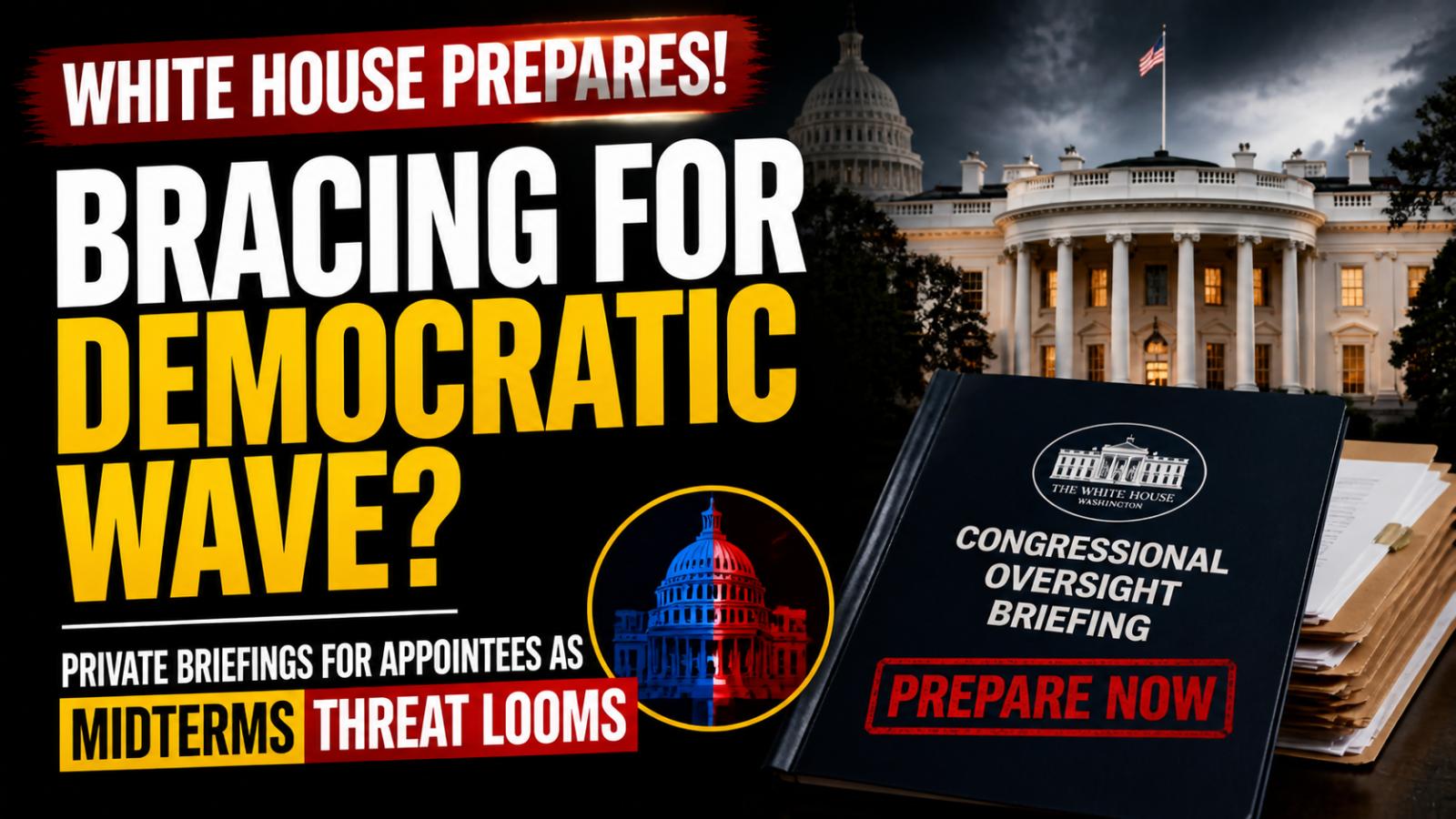
White House Prepares for Increased Scrutiny Ahead of Midterm Elections
The White House Counsel’s Office is holding private briefings for political appointees to prepare them for potential congressional oversight, amid growing anticipation of Democratic gains in the upcoming November midterm elections. These sessions, which last around 30 minutes, focus on how congressional oversight works and best practices for responding to inquiries, according to sources familiar with the matter. The briefings include a PowerPoint presentation and advice on how to handle written communications, urging appointees to respond quickly to any congressional requests. As the administration prepares for a potential shift in power, some officials believe that it is increasingly likely that Republicans could lose control of one or both chambers of Congress. One participant described the tone of the discussions as "sober-eyed," reflecting the serious nature of the preparations. A White House official defended the briefings, stating that they are part of ongoing efforts to ensure compliance with regulations, adding that such sessions are not new, but have gained greater emphasis in the context of the upcoming elections. The focus on the midterm elections reflects growing concerns within the administration, particularly as President Donald Trump’s approval ratings have faced pressure amid economic challenges and international issues, such as the ongoing Iran conflict. Recent polling from a Washington Post-ABC News-Ipsos survey shows Democrats holding a five-point advantage in congressional preference. During Trump’s first term, his administration faced numerous congressional investigations, many of which were perceived by some as politically motivated. With the potential for a Democratic-controlled Congress, there are fears of renewed impeachment discussions, especially following recent remarks by Trump about the Iran situation. “You’ve got to win the midterms, because if we don’t win the midterms, they’ll find a reason to impeach me,” Trump warned earlier this year.
White House Prepares for Increased Scrutiny Ahead of Midterm Elections
The White House Counsel’s Office is holding private briefings for political appointees to prepare them for potential congressional oversight, amid growing anticipation of Democratic gains in the upcoming November midterm elections. These sessions, which last around 30 minutes, focus on how congressional oversight works and best practices for responding to inquiries, according to sources familiar with the matter. The briefings include a PowerPoint presentation and advice on how to handle written communications, urging appointees to respond quickly to any congressional requests. As the administration prepares for a potential shift in power, some officials believe that it is increasingly likely that Republicans could lose control of one or both chambers of Congress. One participant described the tone of the discussions as "sober-eyed," reflecting the serious nature of the preparations. A White House official defended the briefings, stating that they are part of ongoing efforts to ensure compliance with regulations, adding that such sessions are not new, but have gained greater emphasis in the context of the upcoming elections. The focus on the midterm elections reflects growing concerns within the administration, particularly as President Donald Trump’s approval ratings have faced pressure amid economic challenges and international issues, such as the ongoing Iran conflict. Recent polling from a Washington Post-ABC News-Ipsos survey shows Democrats holding a five-point advantage in congressional preference. During Trump’s first term, his administration faced numerous congressional investigations, many of which were perceived by some as politically motivated. With the potential for a Democratic-controlled Congress, there are fears of renewed impeachment discussions, especially following recent remarks by Trump about the Iran situation. “You’ve got to win the midterms, because if we don’t win the midterms, they’ll find a reason to impeach me,” Trump warned earlier this year.
Federal judge blocks Trump administration from firing workers during shutdown
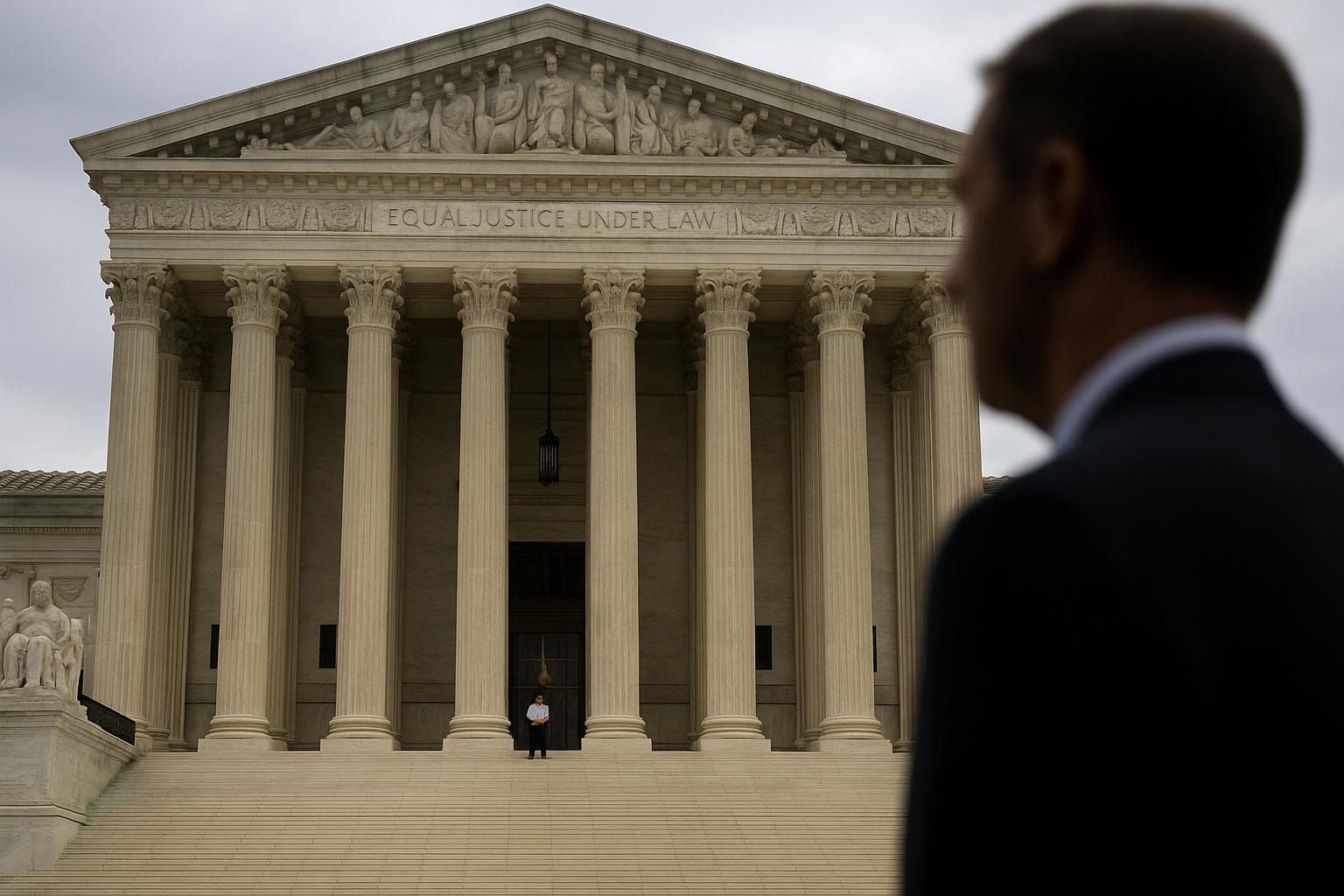
SAN FRANCISCO — A federal judge in San Francisco has temporarily barred the Trump administration from firing federal employees during the ongoing government shutdown, delivering a legal setback to the White House’s plan to reduce the federal workforce amid a tense budget standoff in Washington. U.S. District Judge Susan Illston issued the emergency order on Wednesday, October 15, following lawsuits filed by labor unions representing thousands of federal employees. The judge’s
Federal judge blocks Trump administration from firing workers during shutdown
SAN FRANCISCO — A federal judge in San Francisco has temporarily barred the Trump administration from firing federal employees during the ongoing government shutdown, delivering a legal setback to the White House’s plan to reduce the federal workforce amid a tense budget standoff in Washington. U.S. District Judge Susan Illston issued the emergency order on Wednesday, October 15, following lawsuits filed by labor unions representing thousands of federal employees. The judge’s










