















#wildlifenews
Young gray whale found dead after river journey in Washington state
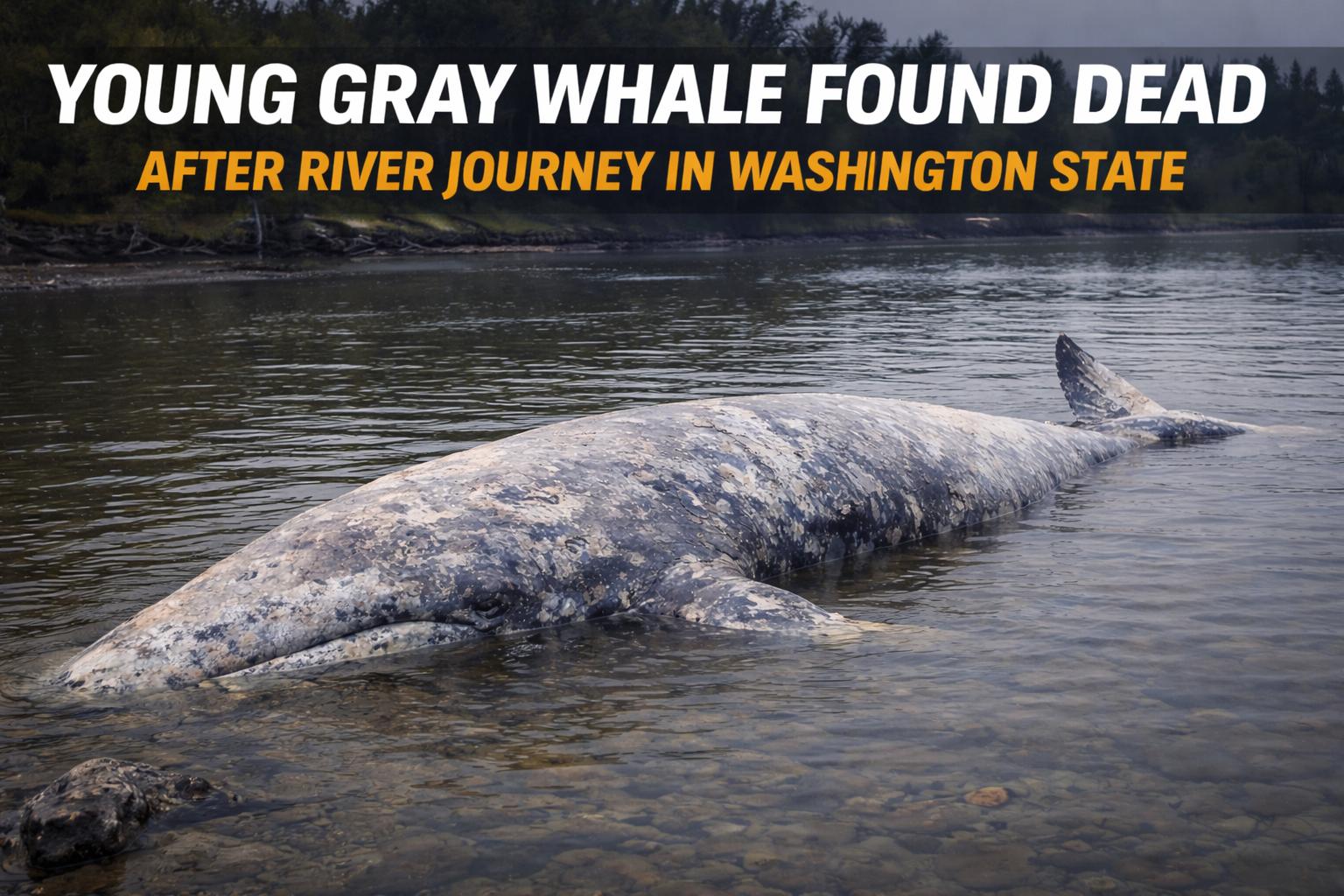
A young gray whale has been found dead after traveling approximately 20 miles inland along the Willapa River in Washington state, according to an update shared by the Cascadia Research Collective on Saturday (full date not specified in the official report). The juvenile whale, which had drawn local attention and was nicknamed “Willapa Willy,” had been observed in the river for several days before its death. The whale was first spotted on Wednesday in the north fork of the Willapa River, located about 145 miles southwest of Seattle. At the time, researchers noted that although the animal appeared thin, it showed no visible injuries and was behaving normally. Teams had initially hoped the whale would navigate back toward the ocean on its own, but it ultimately did not leave the river. Researchers now believe hunger may have been a contributing factor. Gray whales undertake long seasonal migrations along the Pacific Coast, traveling north in the spring to feeding grounds in Arctic waters. During this journey, they rely heavily on stored energy reserves. Scientists say that when food sources become scarce, whales may deviate from their typical routes in search of alternative feeding areas. Recent environmental conditions have added pressure on gray whale populations. Reduced food availability in the northern Bering and Chukchi seas has been linked to declining health among the species. According to NOAA Fisheries, the eastern North Pacific gray whale population was estimated at approximately 13,000 during the winter of 2025, marking one of the lowest levels recorded since the 1970s. Additional incidents in the region have raised concerns among researchers. Earlier in April, two adult gray whales were found dead near Ocean Shores, both showing signs of malnourishment, with one also exhibiting injuries consistent with a vessel strike. These events highlight ongoing risks facing the species, including limited food resources, ship collisions, and entanglement in fishing gear. The Cascadia Research Collective is assessing conditions to determine whether a detailed examination of the juvenile whale can be safely conducted, which may provide further insight into the circumstances surrounding its death.
Young gray whale found dead after river journey in Washington state
A young gray whale has been found dead after traveling approximately 20 miles inland along the Willapa River in Washington state, according to an update shared by the Cascadia Research Collective on Saturday (full date not specified in the official report). The juvenile whale, which had drawn local attention and was nicknamed “Willapa Willy,” had been observed in the river for several days before its death. The whale was first spotted on Wednesday in the north fork of the Willapa River, located about 145 miles southwest of Seattle. At the time, researchers noted that although the animal appeared thin, it showed no visible injuries and was behaving normally. Teams had initially hoped the whale would navigate back toward the ocean on its own, but it ultimately did not leave the river. Researchers now believe hunger may have been a contributing factor. Gray whales undertake long seasonal migrations along the Pacific Coast, traveling north in the spring to feeding grounds in Arctic waters. During this journey, they rely heavily on stored energy reserves. Scientists say that when food sources become scarce, whales may deviate from their typical routes in search of alternative feeding areas. Recent environmental conditions have added pressure on gray whale populations. Reduced food availability in the northern Bering and Chukchi seas has been linked to declining health among the species. According to NOAA Fisheries, the eastern North Pacific gray whale population was estimated at approximately 13,000 during the winter of 2025, marking one of the lowest levels recorded since the 1970s. Additional incidents in the region have raised concerns among researchers. Earlier in April, two adult gray whales were found dead near Ocean Shores, both showing signs of malnourishment, with one also exhibiting injuries consistent with a vessel strike. These events highlight ongoing risks facing the species, including limited food resources, ship collisions, and entanglement in fishing gear. The Cascadia Research Collective is assessing conditions to determine whether a detailed examination of the juvenile whale can be safely conducted, which may provide further insight into the circumstances surrounding its death.
Bear opens car door in West Milford before exploring deck
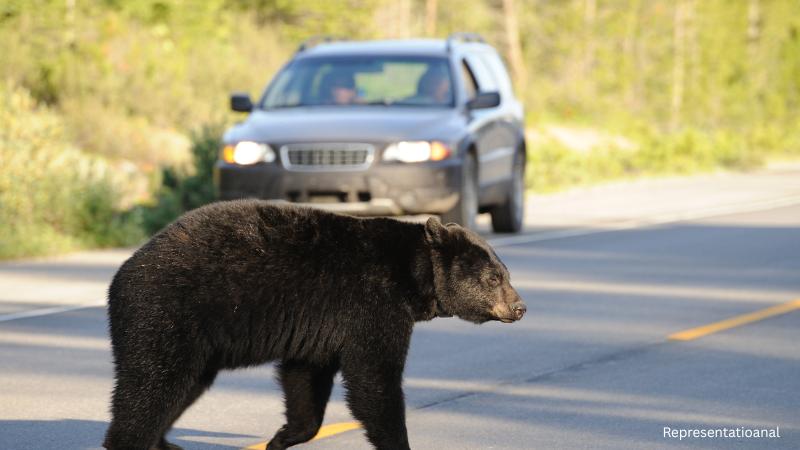
Residents in Passaic County witnessed an unusual wildlife encounter over the weekend when a bear in West Milford was caught opening a car door and then strolling onto a nearby deck. The surprising scene began when the bear approached a parked vehicle, stood upright, and used its paws to open the driver’s side door. After inspecting the interior of the car, the animal wandered toward a nearby home and made itself comfortable on the deck, seemingly unbothered by its surroundin
Bear opens car door in West Milford before exploring deck
Residents in Passaic County witnessed an unusual wildlife encounter over the weekend when a bear in West Milford was caught opening a car door and then strolling onto a nearby deck. The surprising scene began when the bear approached a parked vehicle, stood upright, and used its paws to open the driver’s side door. After inspecting the interior of the car, the animal wandered toward a nearby home and made itself comfortable on the deck, seemingly unbothered by its surroundin


