#worldeconomy
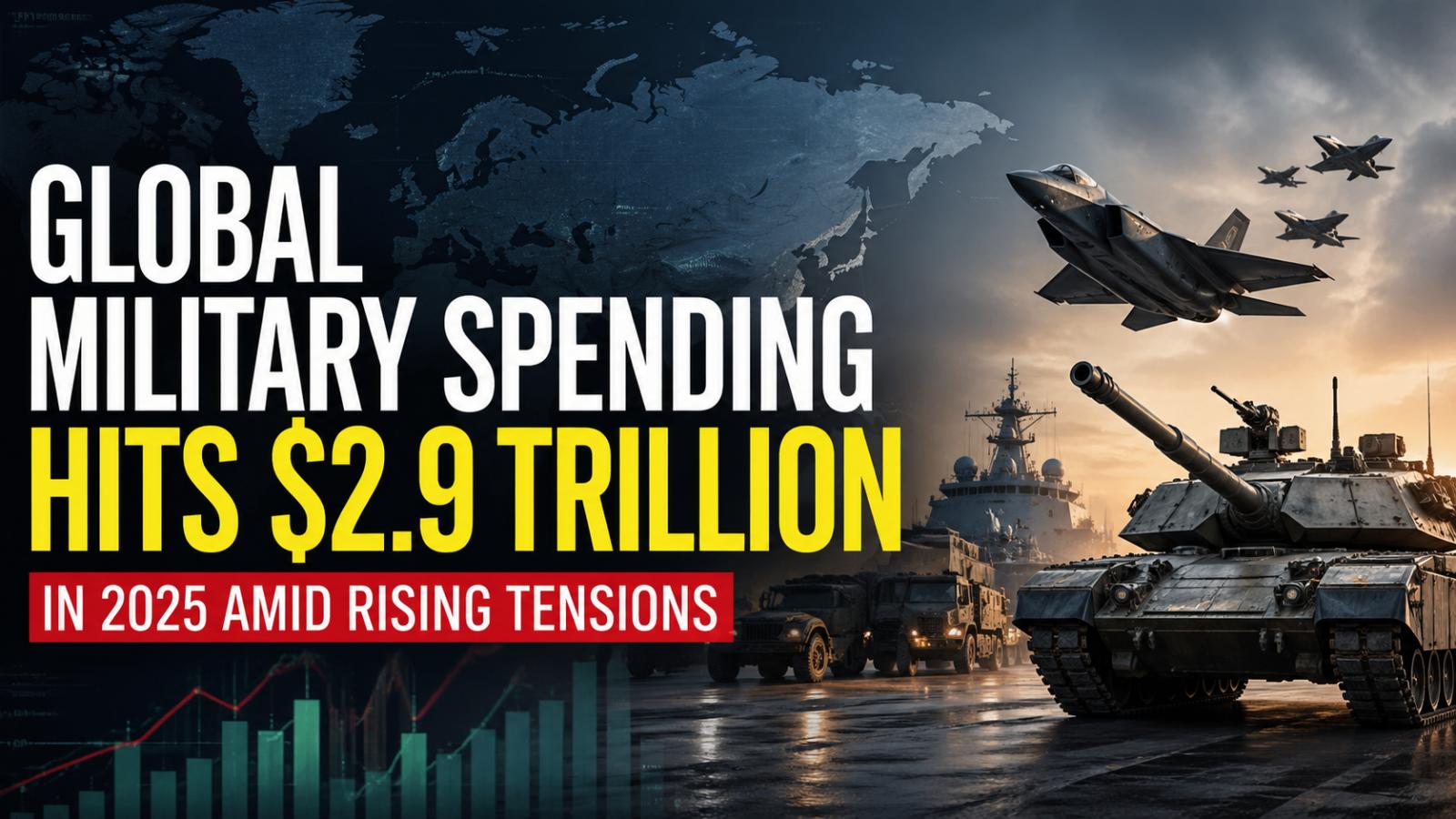
Global military spending hits $2.9 trillion in 2025 amid rising tensions
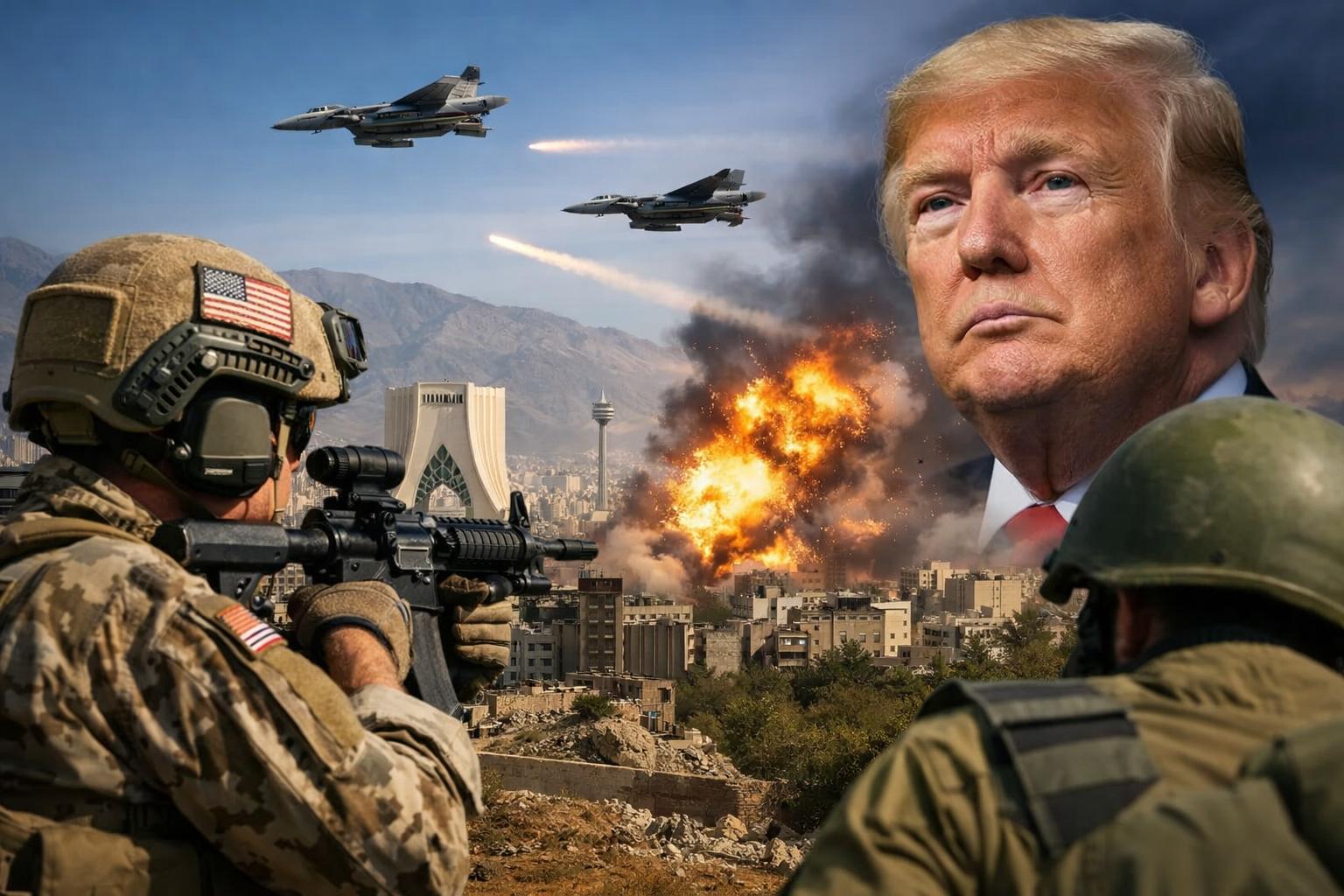
Global military spending 2025 overview Global military spending in 2025 has reached nearly $2.9 trillion, clearly showing how countries are increasing defence budgets as global tensions continue to rise. The total spending stood at $2887 billion in 2025, marking a 2.9 per cent increase from 2024, highlighting a steady rise in military expenditure trends worldwide. This reflects a world becoming less secure, with nations investing more in defence to protect themselves. The United States, Russia, and China remained the top three military spenders, with a combined total of $1.48 trillion. These nations continue to dominate global defence spending, shaping international security dynamics. Experts say this rise in defence budget growth shows that countries are preparing for both current conflicts and future uncertainties. Europe witnessed a major surge, with military spending increasing by 14 per cent to $864 billion in 2025. This sharp rise is mainly driven by the ongoing Russia-Ukraine war and reduced dependence on the United States for security. Countries like Germany increased spending by 24 per cent to $114 billion, while Spain recorded a significant 50 per cent jump to $40.2 billion, crossing two per cent of GDP for the first time in decades. The United States remained the largest spender despite a decline of 7.5 per cent, bringing its total to $954 billion in 2025. The decrease is linked to reduced financial aid approvals for Ukraine, although future budgets suggest spending could exceed $1 trillion in 2026, indicating a possible rebound. In Eastern Europe, Russia increased its military expenditure by 5.9 per cent to $190 billion, while Ukraine saw a sharp rise of 20 per cent to $84.1 billion. Ukraine’s defence spending now accounts for a large share of its GDP, showing the intensity of the ongoing conflict. Asia and Oceania recorded one of the fastest growth rates, with spending reaching $681 billion in 2025, an 8.5 per cent increase. China led the region with $336 billion, followed by Japan and India. India increased its defence budget by 8.9 per cent to $92.1 billion, making it the fifth-largest military spender globally. This growth highlights rising security concerns across the region. In the Middle East, spending patterns were mixed. Iran’s defence expenditure fell by 5.6 per cent to $7.4 billion, mainly due to high inflation. Israel also saw a decline of 4.9 per cent to $48.3 billion after reducing military operations following a ceasefire in early 2025, although its spending remains significantly higher compared to earlier years. Regional tensions continue to influence defence strategies across the Middle East. Overall, the SIPRI report shows that global military spending is steadily increasing as countries respond to rising geopolitical tensions and conflicts. The trend highlights a shift toward stronger military preparedness, reflecting uncertainty in the global security environment.
Global military spending hits $2.9 trillion in 2025 amid rising tensions
Global military spending 2025 overview Global military spending in 2025 has reached nearly $2.9 trillion, clearly showing how countries are increasing defence budgets as global tensions continue to rise. The total spending stood at $2887 billion in 2025, marking a 2.9 per cent increase from 2024, highlighting a steady rise in military expenditure trends worldwide. This reflects a world becoming less secure, with nations investing more in defence to protect themselves. The United States, Russia, and China remained the top three military spenders, with a combined total of $1.48 trillion. These nations continue to dominate global defence spending, shaping international security dynamics. Experts say this rise in defence budget growth shows that countries are preparing for both current conflicts and future uncertainties. Europe witnessed a major surge, with military spending increasing by 14 per cent to $864 billion in 2025. This sharp rise is mainly driven by the ongoing Russia-Ukraine war and reduced dependence on the United States for security. Countries like Germany increased spending by 24 per cent to $114 billion, while Spain recorded a significant 50 per cent jump to $40.2 billion, crossing two per cent of GDP for the first time in decades. The United States remained the largest spender despite a decline of 7.5 per cent, bringing its total to $954 billion in 2025. The decrease is linked to reduced financial aid approvals for Ukraine, although future budgets suggest spending could exceed $1 trillion in 2026, indicating a possible rebound. In Eastern Europe, Russia increased its military expenditure by 5.9 per cent to $190 billion, while Ukraine saw a sharp rise of 20 per cent to $84.1 billion. Ukraine’s defence spending now accounts for a large share of its GDP, showing the intensity of the ongoing conflict. Asia and Oceania recorded one of the fastest growth rates, with spending reaching $681 billion in 2025, an 8.5 per cent increase. China led the region with $336 billion, followed by Japan and India. India increased its defence budget by 8.9 per cent to $92.1 billion, making it the fifth-largest military spender globally. This growth highlights rising security concerns across the region. In the Middle East, spending patterns were mixed. Iran’s defence expenditure fell by 5.6 per cent to $7.4 billion, mainly due to high inflation. Israel also saw a decline of 4.9 per cent to $48.3 billion after reducing military operations following a ceasefire in early 2025, although its spending remains significantly higher compared to earlier years. Regional tensions continue to influence defence strategies across the Middle East. Overall, the SIPRI report shows that global military spending is steadily increasing as countries respond to rising geopolitical tensions and conflicts. The trend highlights a shift toward stronger military preparedness, reflecting uncertainty in the global security environment.
China sets record trade surplus and strengthens global auto leadership in 2025
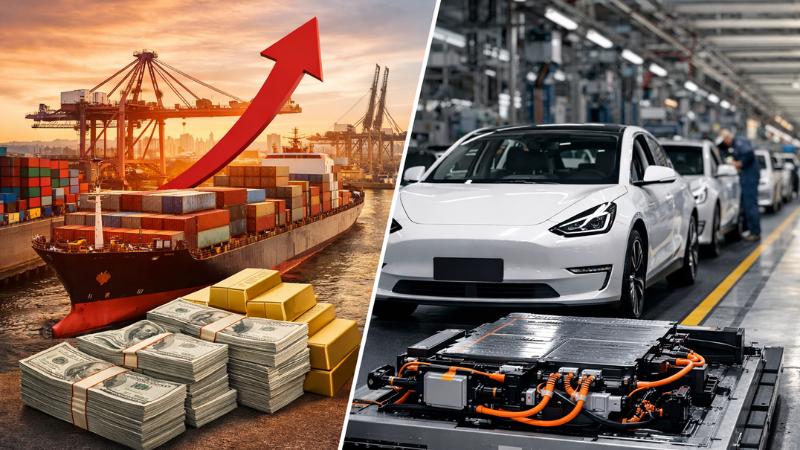
Amid ongoing geopolitical tensions, trade disputes, and armed conflicts across multiple regions, China quietly achieved two major economic milestones in 2025, underscoring its continued influence over global manufacturing and trade. Official data released this month shows that the country recorded the largest annual trade surplus in its history while further consolidating its position as the world’s leading automobile producer and seller. These achievements came despite persistent pressures
China sets record trade surplus and strengthens global auto leadership in 2025
Amid ongoing geopolitical tensions, trade disputes, and armed conflicts across multiple regions, China quietly achieved two major economic milestones in 2025, underscoring its continued influence over global manufacturing and trade. Official data released this month shows that the country recorded the largest annual trade surplus in its history while further consolidating its position as the world’s leading automobile producer and seller. These achievements came despite persistent pressures
G20 summit 2025 opens in South Africa with focus on global cooperation and resilience
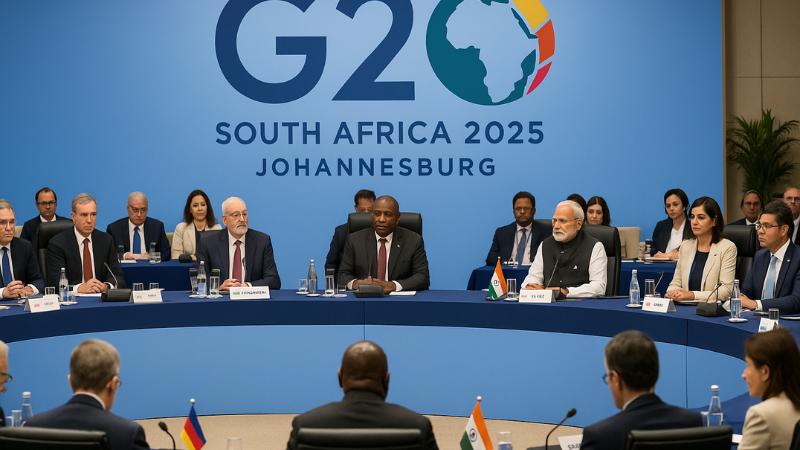
The G20 Leaders’ Summit 2025 opened in South Africa on Friday, marking a significant moment for the international forum as it convenes on the African continent for the first time. Hosted in Johannesburg, the three-day gathering carries the theme “Solidarity, Equality and Sustainability,” reflecting South Africa’s priorities of promoting collaborative global action in an increasingly complex geopolitical environment. This year’s summit places particular emphasis on strength

G20 summit 2025 opens in South Africa with focus on global cooperation and resilience
The G20 Leaders’ Summit 2025 opened in South Africa on Friday, marking a significant moment for the international forum as it convenes on the African continent for the first time. Hosted in Johannesburg, the three-day gathering carries the theme “Solidarity, Equality and Sustainability,” reflecting South Africa’s priorities of promoting collaborative global action in an increasingly complex geopolitical environment. This year’s summit places particular emphasis on strength

Trump Eyes a ‘Fair’ Trade Deal with Xi at APEC Summit as US-China Ties Face New Test
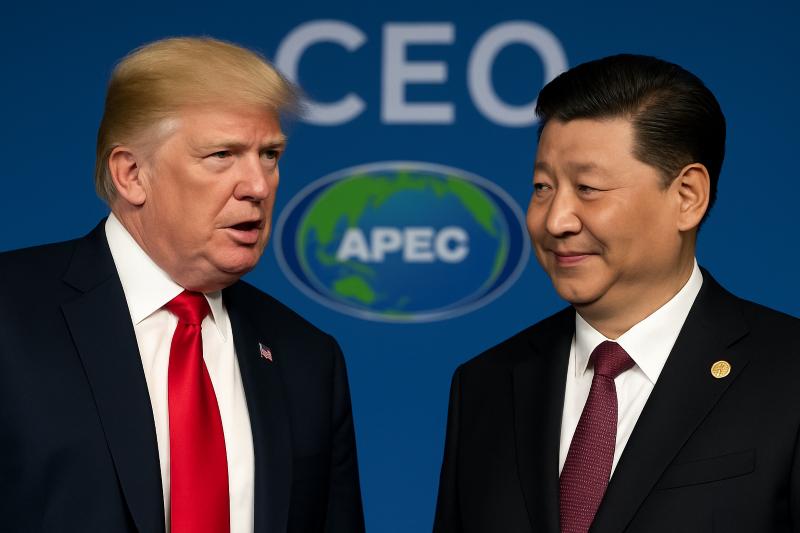
As the world watches the evolving dynamics of U.S.–China relations, former U.S. President Donald Trump has expressed confidence that a “fair trade deal” with Chinese President Xi Jinping could soon materialize during the Asia-Pacific Economic Cooperation (APEC) summit. Speaking ahead of the high-profile event, Trump described his relationship with Xi as “strong” and said he expects posit
Trump Eyes a ‘Fair’ Trade Deal with Xi at APEC Summit as US-China Ties Face New Test
As the world watches the evolving dynamics of U.S.–China relations, former U.S. President Donald Trump has expressed confidence that a “fair trade deal” with Chinese President Xi Jinping could soon materialize during the Asia-Pacific Economic Cooperation (APEC) summit. Speaking ahead of the high-profile event, Trump described his relationship with Xi as “strong” and said he expects posit
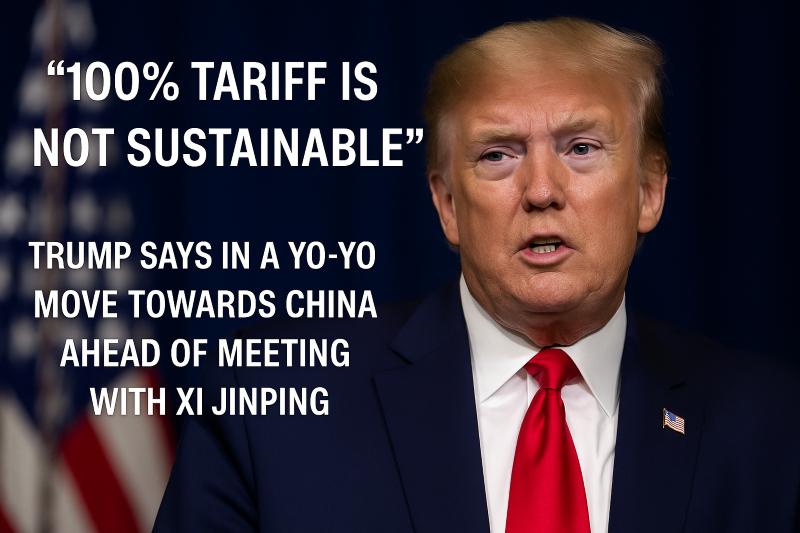
Trump Admits 100% Tariff “Not Sustainable” Ahead of Xi Meeting
U.S. President Donald Trump conceded in a recent interview that imposing a 100% tariff on Chinese imports would not be a lasting policy, saying, “It’s not sustainable, but that’s what the number is.” He asserted that Beijing “forced me to do that,” pointing to China’s tighter export controls—especially on rare earth elements—as justification for the heightened measur
Trump Admits 100% Tariff “Not Sustainable” Ahead of Xi Meeting
U.S. President Donald Trump conceded in a recent interview that imposing a 100% tariff on Chinese imports would not be a lasting policy, saying, “It’s not sustainable, but that’s what the number is.” He asserted that Beijing “forced me to do that,” pointing to China’s tighter export controls—especially on rare earth elements—as justification for the heightened measur