1.What is Leukemia Relapse?
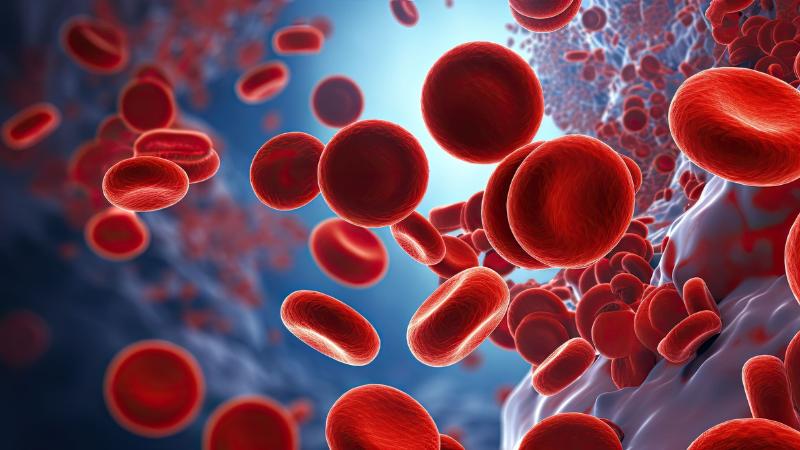
- Leukemia relapse occurs when leukemia, a type of blood cancer, comes back after treatment.
- The cancer cells that survive the initial therapy are known as minimal residual disease (MRD).
- These cells stay hidden in the body and can slowly grow, leading to a recurrence of the disease.
- Leukemia relapse is difficult to treat due to the cancer cells adapting and becoming resistant to the original treatments.
2.Why Does Leukemia Relapse?
- Some leukemia cells survive initial treatments like chemotherapy or radiation and are not completely eliminated.
- Over time, these remaining cells can multiply and adapt, leading to a relapse.
- These cancer cells can mutate and develop resistance to earlier therapies, making it more challenging to treat the disease.
- Symptoms of relapse can be more severe than the initial diagnosis and include:
- Fatigue: Feeling extremely tired and weak.
- Frequent infections: Due to the weakened immune system.
- Easy bruising or unexplained marks on the skin.
- Persistent fevers that don’t subside.
3.What Are Bispecific Antibodies?
- Bispecific antibodies are a new treatment option that helps the body’s immune system recognize and attack leukemia cells directly.
- These antibodies are designed to target both the leukemia cells and the immune system's T-cells, guiding the immune system to fight the cancer.
- Bispecific antibodies are administered via an IV infusion.
- They are a more targeted and less harmful option compared to traditional treatments like chemotherapy, causing fewer side effects.
4.How Do Bispecific Antibodies Help?
- They are precise in targeting only cancerous leukemia cells and not healthy cells in the body, minimizing collateral damage.
- They offer fewer side effects compared to chemotherapy or radiation treatments.
- Bispecific antibodies show quick results, with many patients experiencing improvement within weeks of starting the therapy.
- In clinical trials, 44% of patients who didn’t respond to other treatments went into remission after using bispecific antibodies.
5.Who Is Eligible for Bispecific Antibodies?
- Bispecific antibodies are generally recommended for:
- Patients with relapsed or difficult-to-treat leukemia, especially those who did not respond to chemotherapy or stem cell transplants.
- Patients who have minimal residual disease (MRD) after initial treatment.
- Individuals who cannot tolerate other therapies due to age or other health conditions.
- It is important for patients to discuss their specific case with a doctor to see if bispecific antibodies are the right option for them.
6.Key Benefits of Bispecific Antibodies:
- Precise targeting: Bispecific antibodies only attack cancer cells, leaving healthy cells untouched.
- Fewer side effects: Compared to chemotherapy, these antibodies are gentler on the body, causing less harm.
- Quick results: Many patients see improvements soon after starting the therapy, often within a few weeks.
7.Side Effects of Bispecific Antibodies:
- Like any treatment, bispecific antibodies can cause side effects, although they are generally milder than traditional treatments like chemotherapy.
- Common side effects may include fever, chills, nausea, and fatigue.
- Patients should be closely monitored for side effects and consult with their doctors to ensure the treatment’s suitability.
8.What’s Next for Bispecific Antibodies?
- Research is ongoing to improve bispecific antibodies and make them accessible to more patients.
- Scientists are exploring how bispecific antibodies can be combined with other treatments like CAR-T cell therapy or checkpoint inhibitors for even better results.
- The aim is to further enhance the effectiveness of bispecific antibodies in treating relapsed leukemia and improving patients' overall survival rates.
9.Conclusion:
- Leukemia relapse is a challenging aspect of the disease, but new treatments like bispecific antibodies offer renewed hope.
- These treatments use the body’s immune system to more effectively attack leukemia cells, offering a targeted and safer alternative to traditional therapies.
- As research continues, bispecific antibodies have the potential to become a key part of leukemia treatment, especially for patients with relapsed or hard-to-treat cases.