The Rise of AI in Modern Workplaces
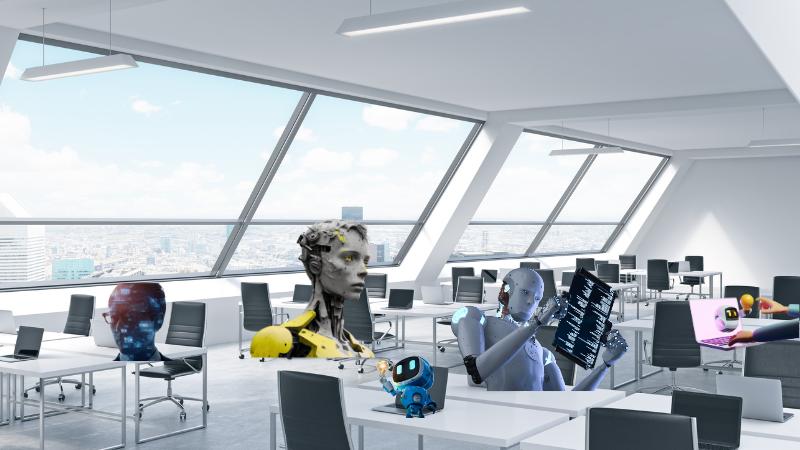
Artificial intelligence is rapidly changing the dynamics of the modern workplace. Its growing integration across industries has introduced both significant advantages and complex challenges. As organizations adopt AI tools to streamline operations, enhance decision-making, and drive productivity, the conversation around the implications of AI on employment, fairness, and security is becoming increasingly urgent.
Key Advantages: Efficiency, Accuracy, and Personalization
One of the most prominent advantages of AI in the workplace is increased efficiency. By automating repetitive, time-consuming tasks, AI allows human workers to focus on more strategic, creative, and emotionally intelligent responsibilities. This shift not only increases productivity but also contributes to higher job satisfaction when employees are relieved of monotonous work. AI systems also offer improved accuracy, reducing the chances of human error in critical areas such as data analysis, customer service, and inventory management. With the ability to process and analyze large volumes of data at lightning speed, AI tools provide actionable insights that can inform better business decisions. These capabilities enable personalized experiences, especially in customer-facing roles, as AI algorithms learn individual preferences and adjust services accordingly. Moreover, AI’s capacity for 24/7 operation supports around-the-clock customer service, logistics, and system monitoring without the constraints of human limitations.
Challenges: Displacement, Bias, and Data Dependency
Despite these clear benefits, AI also brings with it a range of concerns that cannot be ignored. One of the most discussed issues is job displacement. As AI systems become more sophisticated, there is a legitimate fear that automation may replace human roles, particularly in industries reliant on routine tasks. This potential shift threatens to increase unemployment, especially among workers with limited access to reskilling opportunities. Another significant drawback is the risk of bias and discrimination. If AI models are trained on flawed or non-representative datasets, they can inherit and even amplify existing societal biases, leading to unfair treatment in hiring, lending, and other decision-making processes. Additionally, AI lacks the human touch that is often essential in service-based interactions, such as healthcare, education, or counseling, where empathy and emotional intelligence play crucial roles. The effectiveness of AI is also heavily dependent on data quality. Poor or incomplete data can cause AI systems to underperform or provide misleading results. Furthermore, security vulnerabilities are a real concern. AI systems, like any digital platform, are susceptible to cyberattacks and breaches, which can compromise sensitive information and damage trust.
Solutions: Responsible Integration and Human Collaboration
To responsibly integrate AI into the workplace, organizations and policymakers must take proactive measures to address its risks. Upskilling and reskilling programs are essential to help workers adapt to the changing job landscape. By equipping employees with skills that complement AI technologies, such as problem-solving, creativity, and digital literacy, we can foster a workforce that collaborates with machines rather than competes against them. Ensuring that AI systems are trained on diverse and representative data is also crucial to minimize the perpetuation of bias. Human oversight remains vital. AI should support, not replace, human judgment in areas where accountability and ethical considerations are involved. Systems should also be transparent and explainable so that users and stakeholders understand how decisions are made. This transparency builds trust and enables better scrutiny. Lastly, continuous monitoring of AI performance and behavior can help identify flaws, improve efficiency, and maintain security standards.
Looking Ahead: Striking a Balance Between Innovation and Equity
The future of AI in the workplace is not one of inevitable replacement but of evolution. When implemented with care and guided by ethical principles, AI can significantly enhance work environments, making them more efficient, accurate, and adaptive. At the same time, organizations must remain vigilant about the social and human impact of these technologies. Balancing innovation with responsibility will be the key to ensuring that AI serves as a tool for progress rather than a source of division. Through thoughtful strategy and inclusive planning, we can harness the potential of AI to create a workplace that is not only smarter but also more equitable and human-centered.