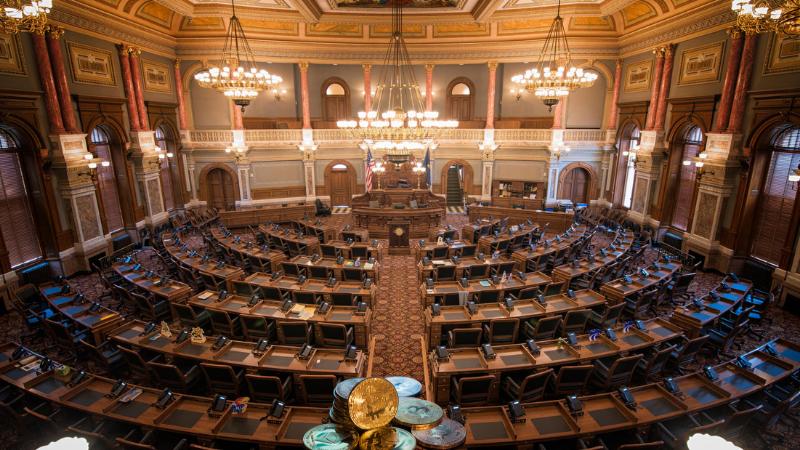
The United States Senate has taken a major step toward regulating stablecoins, a rapidly expanding segment of the cryptocurrency market. In a procedural vote on Monday, the Senate voted 66-32 to advance a bill designed to establish a federal regulatory framework for stablecoin issuers, marking a significant development in a legislative process that had previously stalled due to political tensions.
Stablecoins are digital currencies tied to tangible assets such as the US dollar or gold, making them less volatile than traditional cryptocurrencies. This stability makes them appealing for transactions and broader commercial use. With the stablecoin market nearing a valuation of $250 billion, lawmakers across party lines have acknowledged the urgency of implementing clear rules to govern the industry.
While the legislation initially received bipartisan support, it faced obstacles earlier in the month due to concerns surrounding President Trump's involvement in various cryptocurrency ventures. President Trump has become an active proponent of digital assets, and his family is associated with several crypto projects, including a stablecoin called USD1. This stablecoin gained significant attention following news that a foreign investment fund planned to use $2 billion worth of USD1 to acquire a stake in a major global crypto exchange.
These developments caused unease among some lawmakers, who expressed concern about the potential for conflicts of interest and undue political influence in a rapidly growing financial market. Despite this, negotiators pushed forward. Republican lawmakers made revisions to the bill to address bipartisan concerns, including tighter restrictions on foreign stablecoin issuers, enhanced enforcement provisions, and bans preventing large technology firms from launching their own stablecoins.
To address ethical concerns, the bill also includes new rules that prevent members of Congress and executive branch officials from issuing or financially benefiting from stablecoins. These additions were intended to address criticism that the bill could create opportunities for self-enrichment by public officials involved in crypto policymaking.
Still, not all Democrats were convinced. Senator Elizabeth Warren voiced strong opposition, warning that the legislation lacked sufficient guardrails to prevent President Trump from profiting through his crypto ties. She argued that the bill could supercharge the stablecoin market in a way that directly benefits Trump, allowing him to exert control over a financial product tied to his own interests. According to her, Congress should act as a check on executive power rather than enabling it through loosely regulated financial instruments.
On the other hand, several Democratic senators emphasized the broader national interest in regulating stablecoins effectively. Senator Mark Warner, a lead Democratic negotiator, stressed that the government must not stand idle while a multi-billion-dollar industry evolves with minimal oversight. He noted the importance of establishing uniform standards that can protect consumers, strengthen national security, and promote responsible technological advancement.
While the Senate’s vote was procedural, it signals substantial support for the bill’s final passage, which could happen as soon as this week depending on ongoing negotiations. The outcome will depend on how remaining differences between both parties are resolved, particularly regarding amendments that may still be introduced.
The proposed legislation seeks to replace the existing fragmented approach to stablecoin oversight, which currently consists of a mix of federal and state-level regulations. The new federal framework would establish clearer licensing requirements, enforce reserve transparency, and introduce safeguards for consumers using digital stablecoins. It would also restrict certain entities, including tech giants, from launching stablecoin products, addressing concerns about monopolistic behavior and financial stability.
As digital assets become more influential in both financial markets and political circles, pressure has grown on lawmakers to develop thoughtful regulation. The cryptocurrency industry's growing role in political fundraising and public discourse has made it increasingly difficult for Congress to ignore. President Trump’s prominent involvement has only amplified the stakes, making this stablecoin bill one of the most closely watched crypto policy developments in recent history.
The advancement of the bill underscores a critical moment in the evolution of cryptocurrency regulation in the United States. It is not just a response to technological change but also a test of how government will handle emerging markets influenced by politics, power, and rapidly shifting financial interests.
Stablecoins are digital currencies tied to tangible assets such as the US dollar or gold, making them less volatile than traditional cryptocurrencies. This stability makes them appealing for transactions and broader commercial use. With the stablecoin market nearing a valuation of $250 billion, lawmakers across party lines have acknowledged the urgency of implementing clear rules to govern the industry.
While the legislation initially received bipartisan support, it faced obstacles earlier in the month due to concerns surrounding President Trump's involvement in various cryptocurrency ventures. President Trump has become an active proponent of digital assets, and his family is associated with several crypto projects, including a stablecoin called USD1. This stablecoin gained significant attention following news that a foreign investment fund planned to use $2 billion worth of USD1 to acquire a stake in a major global crypto exchange.
These developments caused unease among some lawmakers, who expressed concern about the potential for conflicts of interest and undue political influence in a rapidly growing financial market. Despite this, negotiators pushed forward. Republican lawmakers made revisions to the bill to address bipartisan concerns, including tighter restrictions on foreign stablecoin issuers, enhanced enforcement provisions, and bans preventing large technology firms from launching their own stablecoins.
To address ethical concerns, the bill also includes new rules that prevent members of Congress and executive branch officials from issuing or financially benefiting from stablecoins. These additions were intended to address criticism that the bill could create opportunities for self-enrichment by public officials involved in crypto policymaking.
Still, not all Democrats were convinced. Senator Elizabeth Warren voiced strong opposition, warning that the legislation lacked sufficient guardrails to prevent President Trump from profiting through his crypto ties. She argued that the bill could supercharge the stablecoin market in a way that directly benefits Trump, allowing him to exert control over a financial product tied to his own interests. According to her, Congress should act as a check on executive power rather than enabling it through loosely regulated financial instruments.
On the other hand, several Democratic senators emphasized the broader national interest in regulating stablecoins effectively. Senator Mark Warner, a lead Democratic negotiator, stressed that the government must not stand idle while a multi-billion-dollar industry evolves with minimal oversight. He noted the importance of establishing uniform standards that can protect consumers, strengthen national security, and promote responsible technological advancement.
While the Senate’s vote was procedural, it signals substantial support for the bill’s final passage, which could happen as soon as this week depending on ongoing negotiations. The outcome will depend on how remaining differences between both parties are resolved, particularly regarding amendments that may still be introduced.
The proposed legislation seeks to replace the existing fragmented approach to stablecoin oversight, which currently consists of a mix of federal and state-level regulations. The new federal framework would establish clearer licensing requirements, enforce reserve transparency, and introduce safeguards for consumers using digital stablecoins. It would also restrict certain entities, including tech giants, from launching stablecoin products, addressing concerns about monopolistic behavior and financial stability.
As digital assets become more influential in both financial markets and political circles, pressure has grown on lawmakers to develop thoughtful regulation. The cryptocurrency industry's growing role in political fundraising and public discourse has made it increasingly difficult for Congress to ignore. President Trump’s prominent involvement has only amplified the stakes, making this stablecoin bill one of the most closely watched crypto policy developments in recent history.
The advancement of the bill underscores a critical moment in the evolution of cryptocurrency regulation in the United States. It is not just a response to technological change but also a test of how government will handle emerging markets influenced by politics, power, and rapidly shifting financial interests.