Homelessness advocates in Washington, D.C., are raising concerns over former President Donald Trump’s announced plan to remove homeless encampments from the city, warning that it could place an unbearable strain on already stretched shelters, soup kitchens, and hospitals. With thousands of unhoused residents in the District and limited available beds, many fear that displacing people from encampments will push them into already crowded facilities or leave them with nowhere safe to go.
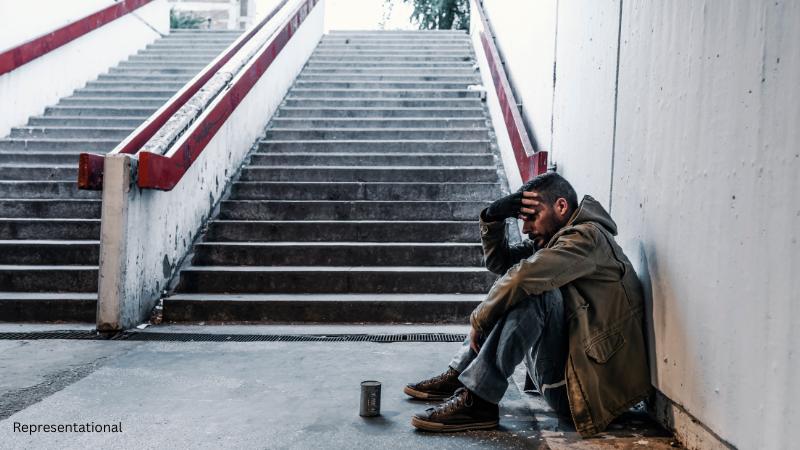
Jarrod Moore, a D.C. resident who experienced homelessness, spoke about the challenges he faced before securing transitional housing. He described spending nights on buses, in stairwells, or anywhere he could find shelter while waiting an entire year for a housing voucher. While Moore says the struggle was worth it in the end, he is concerned for those who remain on the streets and face the possibility of losing the only space they have to rest.
Kirsten Quinsland, Chief Program Officer at a local nonprofit serving unhoused residents, said both staff and clients are feeling anxious and uncertain. According to her, outreach teams and those living in encampments have little clarity on when or where removals will take place. This lack of information creates a constant state of fear for people who already live in precarious situations. Many residents are left wondering if they will be forced to move in the middle of the night, whether they can sleep safely, and where they should go next.
Local data estimates that approximately 5,600 people in the District are unhoused, but the city only has around 3,200 emergency shelter beds available. Trump has stated that federal agents have already begun clearing some encampment sites and that removals will continue. Advocates argue that these actions disrupt vital outreach efforts. When people are moved abruptly and without coordination, it becomes more difficult for outreach workers to maintain contact and provide consistent assistance, making it harder for individuals to connect with housing programs, medical care, and other critical resources.
Quinsland emphasized that the constant displacement of people experiencing homelessness is not a solution. Instead, it isolates them from the very systems designed to help. Outreach workers invest time and effort into building trust with unhoused individuals, and repeated moves can sever these connections, delaying or even preventing access to stable housing. She stressed that long-term solutions, such as affordable housing initiatives and supportive services, are more effective than short-term removals that leave people with nowhere to go.
Moore, whose current housing situation is secure, still empathizes with those facing the uncertainty of potential eviction from encampments. He acknowledged that life’s hardships can affect anyone, regardless of background or previous stability. Reflecting on his own experience, he said that losing a job and falling into homelessness was a challenge he never anticipated, and he knows how difficult it is to climb back from that position. For him, the proposed removals represent an added burden for people already enduring some of life’s toughest struggles.
Advocates continue to call for measured approaches that prioritize stable housing over displacement. They warn that unless there is a significant expansion of shelter capacity and affordable housing options, the removal of encampments will not reduce homelessness in the District — it will simply make it less visible while deepening the hardship for those directly affected. As the city faces the next phase of encampment clearings, questions remain about how it will balance public safety concerns with the rights and needs of its most vulnerable residents.