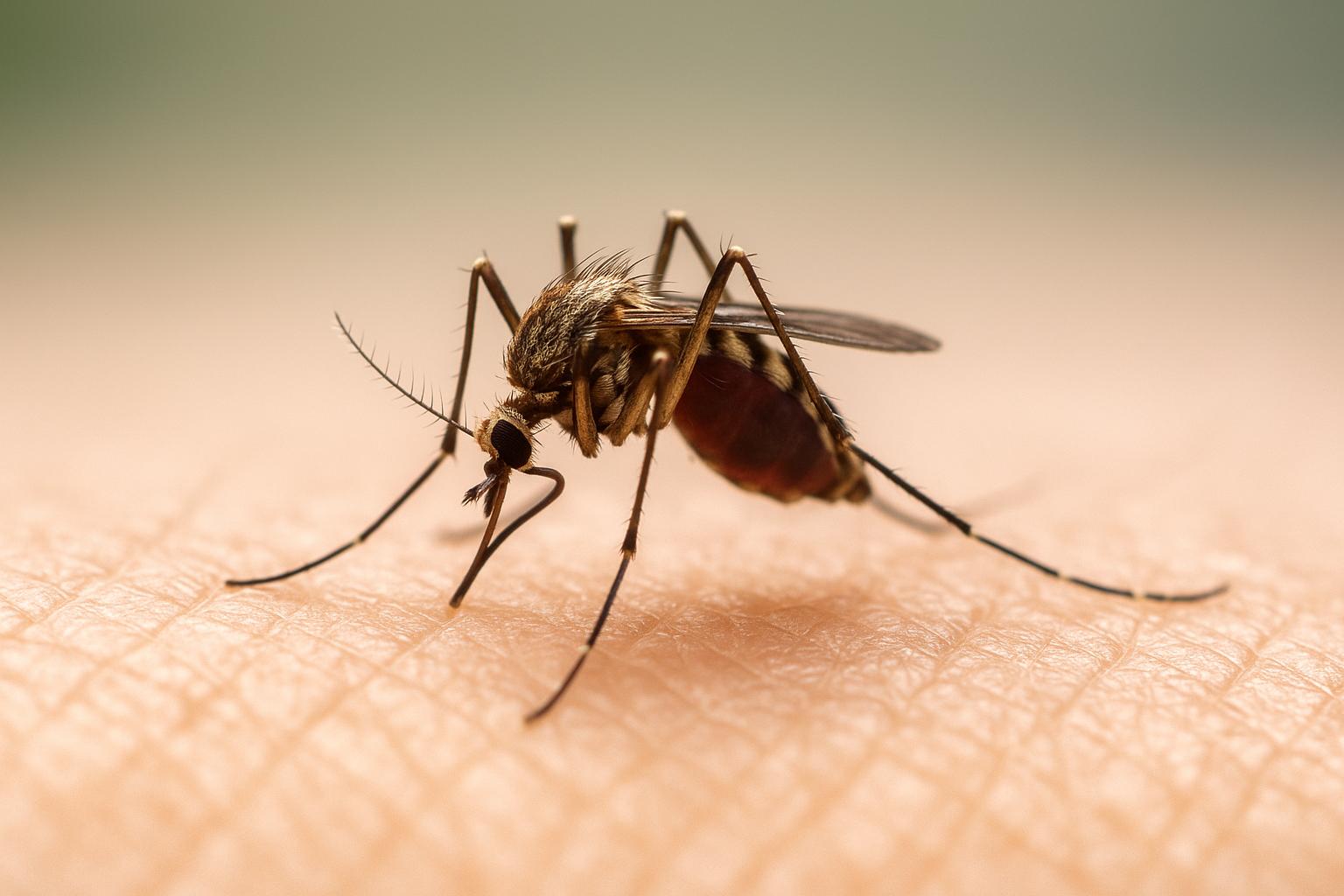
City officials in Frisco, Texas, have confirmed that two mosquito pools collected within city limits have tested positive for the West Nile Virus (WNV), prompting immediate action from local authorities to control the spread of infected mosquitoes. The discovery marks the twenty-first confirmed mosquito pool in Frisco this year, underscoring ongoing public health concerns across North Texas during mosquito season. No human infections linked to the virus have been reported in Frisco at this time, but officials have moved quickly to implement preventive measures to reduce mosquito populations and potential exposure.
In response to the positive test results, Frisco has contracted pest control services to conduct ground spraying across several neighborhoods. The spraying will take place over two consecutive nights, beginning Saturday and Sunday, starting at 9 p.m. and continuing until 5 a.m. the following morning, weather permitting. This schedule is designed to maximize effectiveness by targeting mosquitoes during their most active nighttime hours.
The neighborhoods identified for mosquito control treatments include the Downtown Rail District, Hickory Springs, Oakbrook Park Estates, Woodstream, Hickory Hills, Lone Star Ranch, and Phillips Creek Ranch. City health officials have advised residents in these areas to remain indoors during the scheduled spraying hours to minimize exposure to pesticide mist. The operation is part of Frisco’s ongoing mosquito management program, which involves regular monitoring, testing, and treatment to prevent outbreaks of mosquito-borne diseases such as West Nile Virus.
Residents are being urged to take proactive steps to protect themselves and their families from mosquito bites. City officials recommend limiting outdoor activities at dusk and dawn, when mosquitoes are most active, and using Environmental Protection Agency-approved insect repellents containing DEET or picaridin. Wearing long sleeves and pants during outdoor activities can further reduce the risk of bites. Citizens are also encouraged to eliminate stagnant water around their homes — including in gutters, flower pots, pet bowls, bird baths, and pool covers — since such conditions are ideal breeding grounds for mosquitoes. Even small amounts of standing water can allow mosquito larvae to thrive, making personal vigilance essential for community safety.
West Nile Virus remains the most common mosquito-borne illness in the United States. According to health authorities, it is primarily transmitted to humans through the bite of an infected mosquito. The virus cannot spread directly from person to person or through contact with animals. In most cases, individuals infected with West Nile Virus do not experience any symptoms at all. About 20 percent of those infected may develop mild, flu-like symptoms such as fever, headache, body aches, joint pain, nausea, or a rash. These symptoms usually appear within two to six days after the mosquito bite and may last several days to weeks.
While the majority of infections are mild, a small percentage of cases can become severe, leading to neurological complications such as encephalitis or meningitis. These conditions primarily affect older adults or people with weakened immune systems. Early detection and preventive measures remain the best defense, as there is currently no specific antiviral treatment for West Nile Virus. Patients with severe symptoms are typically treated for complications and monitored in hospital settings.
Local health officials emphasized that ongoing testing and surveillance efforts are key to managing mosquito-borne threats. The city routinely collects mosquito samples from across Frisco for testing and shares results with regional health departments. When positive results are detected, targeted ground spraying operations are conducted promptly to reduce the adult mosquito population in the affected areas. The goal is to disrupt the transmission cycle and minimize the risk to residents during peak mosquito activity months.
Frisco’s public health department is also reminding residents that community cooperation is vital in controlling mosquito populations. The city continues to distribute information through its website, social media, and community bulletins to ensure residents are aware of safety measures and spraying schedules. The public is encouraged to report areas of stagnant water or mosquito activity to city authorities so that crews can inspect and treat those locations.
The detection of West Nile Virus in mosquito pools serves as a reminder that vigilance remains essential even in urban areas. Seasonal weather patterns, including high temperatures and occasional rainfall, create ideal conditions for mosquito breeding. With consistent public participation and timely intervention, officials are confident that Frisco can keep the risk of infection low through the remainder of the mosquito season.
As the city continues its vector control operations, health experts reiterate that personal prevention habits play a crucial role in protecting public health. Avoiding mosquito bites, maintaining clean surroundings, and staying informed about local advisories are the most effective ways to safeguard families. With proactive measures, Frisco hopes to keep the community safe and free from mosquito-borne diseases such as West Nile Virus throughout the rest of the year.