




- Home
- Articles
- Health & Wellness
- 2025
- September
Health & Wellness Tips

Texas woman faces $13,000 bill after medical emergency on cruise to Mexico
A Texas woman’s vacation turned into a nightmare after she suffered a sudden medical emergency on a cruise to Mexico, leaving her family with more than thirteen thousand dollars in out-of-pocket expenses. What was meant to be a joyful first cruise experience instead became a financial and emotional ordeal, and now her family is warning others to prepare carefully before traveling abroad. Khiali Baxter was just two days into her trip when she suddenly became ill. She recalls
Texas woman faces $13,000 bill after medical emergency on cruise to Mexico
A Texas woman’s vacation turned into a nightmare after she suffered a sudden medical emergency on a cruise to Mexico, leaving her family with more than thirteen thousand dollars in out-of-pocket expenses. What was meant to be a joyful first cruise experience instead became a financial and emotional ordeal, and now her family is warning others to prepare carefully before traveling abroad. Khiali Baxter was just two days into her trip when she suddenly became ill. She recalls
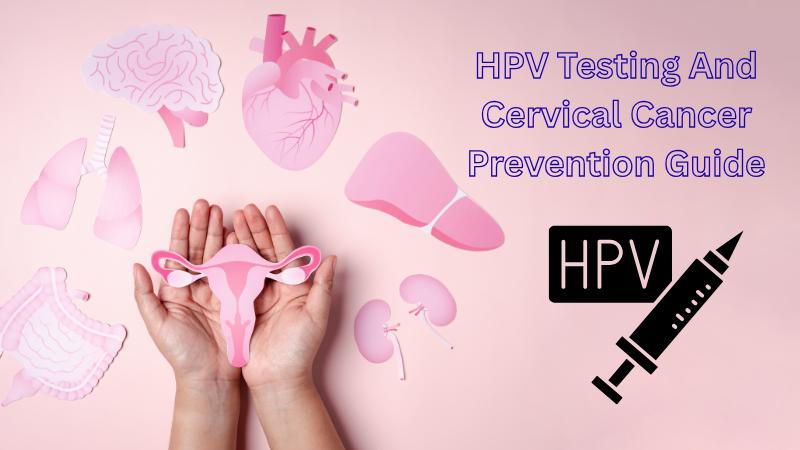
HPV Positive Test Explained: Why It Doesn’t Always Mean Cervical Cancer
Human papillomavirus (HPV) is the most common sexually transmitted infection worldwide, with more than 200 identified strains. According to the World Health Organisation (WHO), almost every sexually active person will contract HPV at some point in their lives. While most infections disappear naturally within one to two years, some high-risk strains such as HPV 16 and 18 can persist and lead to cervical cancer. These two strains alone cause nearly 70% of cervica
HPV Positive Test Explained: Why It Doesn’t Always Mean Cervical Cancer
Human papillomavirus (HPV) is the most common sexually transmitted infection worldwide, with more than 200 identified strains. According to the World Health Organisation (WHO), almost every sexually active person will contract HPV at some point in their lives. While most infections disappear naturally within one to two years, some high-risk strains such as HPV 16 and 18 can persist and lead to cervical cancer. These two strains alone cause nearly 70% of cervica