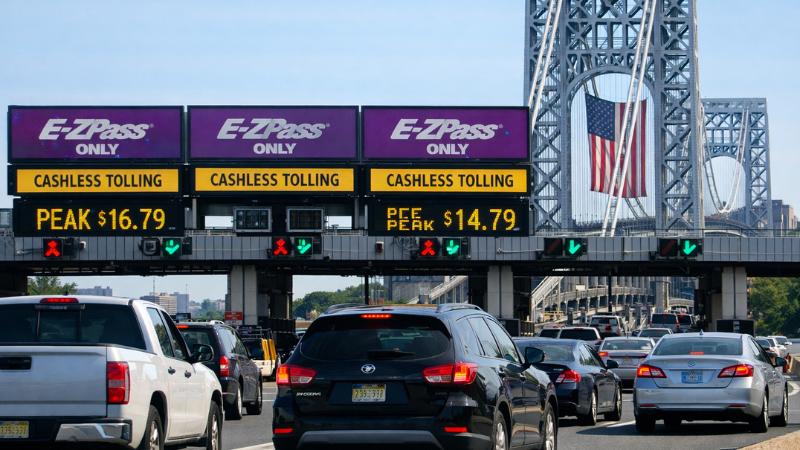
Drivers crossing major Port Authority bridges and tunnels are facing higher travel costs as new toll rates officially take effect with the start of the year. The increase, set at 3 percent, applies to eastbound traffic and affects all motorists regardless of whether they use E-ZPass or pay by plate, adding another financial consideration for daily commuters and occasional travelers alike.
For drivers who rely on these crossings for work, the change is being felt immediately. Many commuters say the increase adds to an already expensive routine, particularly for those who travel into New York City on a regular basis. Some drivers have begun seeking alternatives where possible, including public transportation or a combination of bus and bicycle travel, though those options are not always practical year-round, especially during colder months.
The updated toll rates apply across several key crossings operated by the Port Authority, including the Lincoln Tunnel, Holland Tunnel, George Washington Bridge, Bayonne Bridge, Goethals Bridge, and the Outerbridge Crossing. Under the new pricing structure, drivers using E-ZPass will pay $16.79 during peak hours and $14.79 during off-peak hours. The authority defines peak travel periods as weekdays from 6 a.m. to 10 a.m. and from 4 p.m. to 8 p.m., along with weekends between 11 a.m. and 9 p.m.
Motorists who do not use E-ZPass and instead rely on pay by plate billing will see a much steeper cost, with tolls exceeding $23 at any of the affected crossings. Transportation officials have long encouraged drivers to use E-ZPass, citing reduced congestion and faster processing, but the price difference continues to be a point of frustration for those without access to the system.
The timing of the toll increase coincides with a significant financial decision by the Port Authority Board of Commissioners, which approved a new capital plan covering the years 2026 through 2035. The long-term plan outlines investments in infrastructure improvements, maintenance, and modernization across the agency’s network of bridges, tunnels, airports, and transit facilities.
Port Authority officials emphasize that the agency operates without direct taxpayer funding from the states it serves, relying instead on tolls, fees, and other revenue to support operations and future projects. While the authority argues that periodic toll adjustments are necessary to sustain and upgrade critical transportation infrastructure, many drivers say the rising costs place additional strain on household budgets during a time of broader economic pressure.
As the new rates settle in, commuters across the region are reassessing their travel habits, weighing convenience against cost, and watching closely to see how future transportation funding decisions may affect their daily journeys.