WASHINGTON — Health officials are warning of a rising number of extensively drug-resistant shigella infections in the United States, describing the trend as a growing public health threat linked to increasing antibiotic resistance.
In a report released on Wednesday, April 9, 2026, federal health authorities said drug-resistant cases of shigella have steadily increased over the past decade. According to surveillance data, such cases accounted for 0% of reported infections between 2011 and 2015, but rose to 8.5% by 2023.
The report noted that earlier outbreaks of shigella were primarily caused by drug-susceptible strains that most often affected young children. However, newer data shows a shift in the pattern of infection, with drug-resistant cases increasingly identified among adults.
The first documented isolates of extensively drug-resistant strains were detected in 2016. By 2023, health authorities recorded 510 cases within a 10-month period, underscoring the rapid spread of strains that are significantly harder to treat.
Officials warned that no orally administered antimicrobial drugs approved by the U.S. Food and Drug Administration are currently available to treat these infections, raising concerns about limited treatment options.
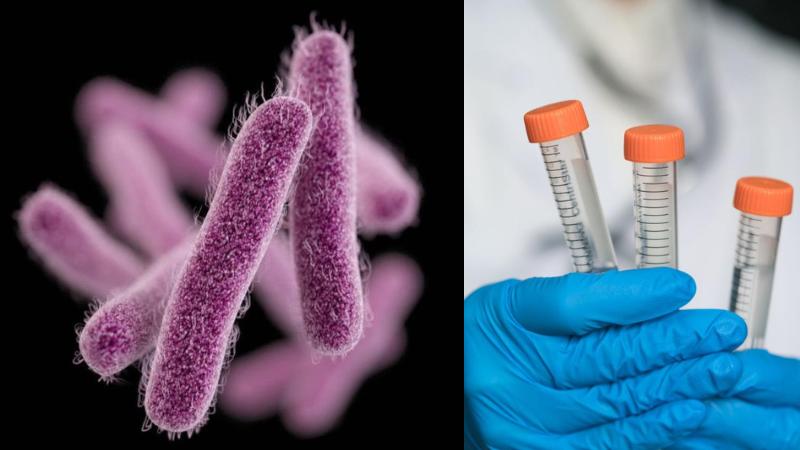
Shigella, also known as shigellosis, is a bacterial infection that affects the intestines. It is commonly transmitted through contaminated food, water, or close personal contact. Symptoms typically include diarrhea that may be bloody or persistent, abdominal cramps, fever, nausea, vomiting, and a frequent urge to pass stool even when the bowels are empty. While most cases resolve within a week, severe infections may require medical care.
Although shigella has historically affected children under the age of five, recent findings indicate that most drug-resistant cases are now occurring in adults, particularly men over 18 years of age. While some infections have been linked to international travel, more than 80% of reported cases had no travel history, suggesting widespread domestic transmission.
In a report released on Wednesday, April 9, 2026, federal health authorities said drug-resistant cases of shigella have steadily increased over the past decade. According to surveillance data, such cases accounted for 0% of reported infections between 2011 and 2015, but rose to 8.5% by 2023.
The report noted that earlier outbreaks of shigella were primarily caused by drug-susceptible strains that most often affected young children. However, newer data shows a shift in the pattern of infection, with drug-resistant cases increasingly identified among adults.
The first documented isolates of extensively drug-resistant strains were detected in 2016. By 2023, health authorities recorded 510 cases within a 10-month period, underscoring the rapid spread of strains that are significantly harder to treat.
Officials warned that no orally administered antimicrobial drugs approved by the U.S. Food and Drug Administration are currently available to treat these infections, raising concerns about limited treatment options.
Shigella, also known as shigellosis, is a bacterial infection that affects the intestines. It is commonly transmitted through contaminated food, water, or close personal contact. Symptoms typically include diarrhea that may be bloody or persistent, abdominal cramps, fever, nausea, vomiting, and a frequent urge to pass stool even when the bowels are empty. While most cases resolve within a week, severe infections may require medical care.
Although shigella has historically affected children under the age of five, recent findings indicate that most drug-resistant cases are now occurring in adults, particularly men over 18 years of age. While some infections have been linked to international travel, more than 80% of reported cases had no travel history, suggesting widespread domestic transmission.