In late October 2015, an intense rainstorm overwhelmed Onion Creek, causing a sudden surge of water that flooded Southeast Austin neighborhoods. The powerful currents destroyed homes, uprooted families, and claimed three lives in a matter of hours. Emergency responders worked through the night to save residents trapped in their homes and cars, performing more than 35 water rescues. The event remains one of the most destructive floods in the area’s history, serving as a painful reminder of how quickly nature can change lives.
Before the flood, the Yarrabee Bend area was filled with homes, children playing in yards, and long-time residents who had built their lives there. After the disaster, the city moved swiftly to prevent such tragedy from happening again. Nearly 500 flood-prone homes were purchased, and affected families were relocated to safer neighborhoods. The once residential area has since been transformed into more than 100 acres of open parkland filled with trees, trails, and improved drainage systems designed to reduce future flood risks.
City officials emphasized that this transformation represents both a physical and emotional recovery. What was once a site of destruction has become a place for reflection and healing. The open green spaces not only provide flood protection but also give residents a serene environment to reconnect with nature. The redesigned landscape serves as a living memorial to those who once lived there, demonstrating the community’s determination to recover and move forward.
The new parkland and drainage improvements are part of a broader city effort to build resilience against future flooding. Advanced flood detection cameras have been installed along Onion Creek to monitor water levels and provide early warnings to residents. These upgrades are crucial for preventing another large-scale disaster and ensuring that emergency response teams have the information they need to act quickly when heavy rain falls.
City leaders have also stressed that while progress has been made, flood risks still remain. Continuous investment in infrastructure is essential to protect communities across Austin. Officials have identified more than a billion dollars’ worth of drainage and capital improvement projects needed to strengthen flood control citywide. They have urged ongoing collaboration between residents, city planners, and environmental experts to ensure that the city stays prepared for future challenges brought by growth and changing weather conditions.
The memory of the Onion Creek flood remains deeply ingrained in the hearts of those who lived through it. Two years before the 2015 disaster, the same area was flooded in 2013, resulting in additional loss of life and property. Those twin floods served as a wake-up call, prompting stronger policies on floodplain management and land use. They led to a greater focus on prevention, education, and public awareness, transforming how the city approaches water management and urban development.
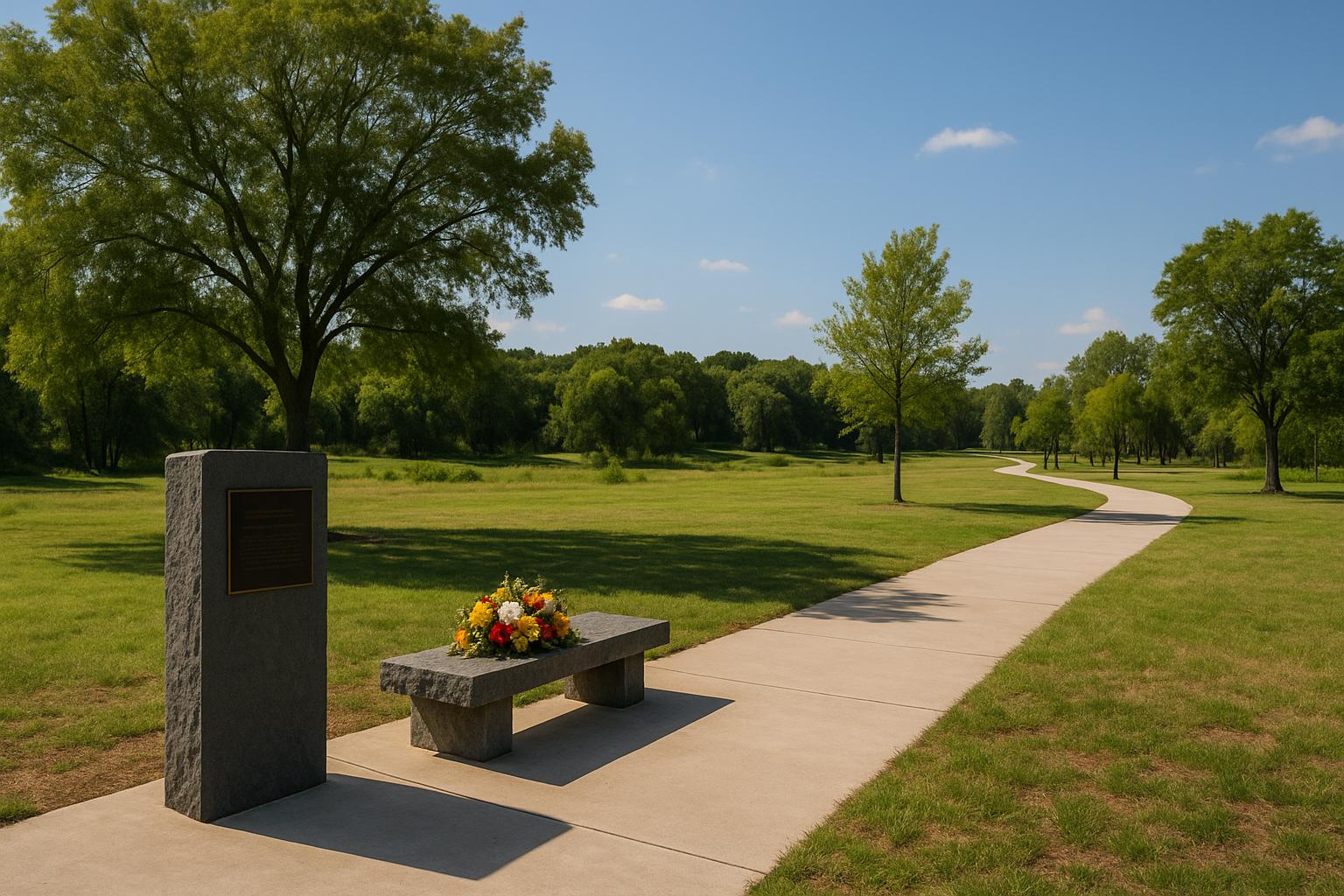
To ensure the tragedy is never forgotten, a memorial stands near the former neighborhood, honoring the victims and the community’s strength. During the recent anniversary event, residents came together to share memories and reflect on how their lives have changed since the flood. Many of those who once lived in the neighborhood have since resettled elsewhere in the city, but they continue to return to the area, which now serves as a peaceful park and symbol of unity.
The transformation of Onion Creek’s floodplain demonstrates how a community can emerge stronger from tragedy. The area has evolved from a disaster zone into a natural sanctuary where residents can walk, play, and remember. The changes show how thoughtful urban planning and environmental management can restore both land and spirit.
Ten years later, Onion Creek stands as a reminder of resilience and renewal. The land that once bore the brunt of nature’s force now provides a safe, sustainable space for reflection and recreation. The story of Onion Creek is not just about loss—it is about how a city learned, adapted, and chose to rebuild in harmony with nature. It is a powerful testament to community strength, compassion, and the enduring will to protect both people and the environment.