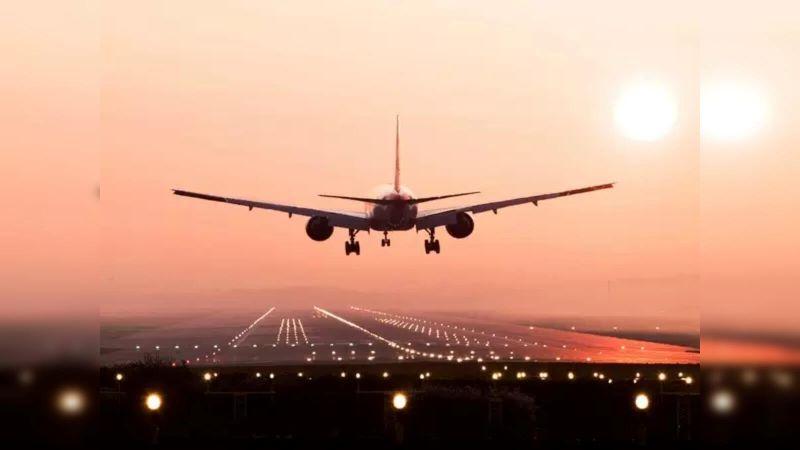
Airports affected by the suspension of operations included major strategic hubs such as Srinagar, Leh, Amritsar, Chandigarh, Jammu, Pathankot, Jodhpur, Jaisalmer, Shimla, Dharamshala, and Jamnagar. According to aviation sources, flight operations were halted as a precautionary measure amid the escalating cross-border military situation.
Commercial airlines including Air India, IndiGo, SpiceJet, Air India Express, Akasa Air, and multiple international carriers cancelled scheduled services to and from these zones. The Directorate General of Civil Aviation (DGCA) and the Ministry of Civil Aviation were on high alert, issuing advisories for airspace management and rerouting to ensure passenger safety.
The cancellation of more than 200 flights triggered widespread confusion and frustration among passengers, especially at high-traffic airports like Delhi, Mumbai, and Hyderabad, which serve as connecting hubs for flights to affected regions. Travel apps showed a surge in “cancelled” and “rescheduled” tags throughout the morning and early afternoon.
In Mumbai, additional tension was reported after airport authorities received a threatening call about a potential bomb on an IndiGo flight, prompting emergency protocols. Security personnel quickly initiated a comprehensive sweep, and the threat was later deemed non-credible. However, the scare added to the climate of unease.
Airlines advised passengers to check their flight status before leaving for airports and assured that they were working on full refunds and alternate travel options for those impacted by the sudden shutdowns.
The airspace restrictions followed India’s execution of 24 missile strikes across nine terror-linked locations inside Pakistan and PoK in retaliation for the Pahalgam terror attack, which claimed 26 lives. Indian defense sources confirmed the elimination of 70 terrorists, including high-ranking operatives of Lashkar-e-Taiba and Jaish-e-Mohammad.
Government sources stressed that the closure of air routes was a strategic and temporary measure, aimed at minimizing civilian risk amid the uncertain geopolitical fallout. "Indian air defense systems are on high alert. Temporary flight suspensions are in place to secure our skies until further assessments confirm the absence of threat," a senior Home Ministry official told .
As of Wednesday afternoon, multiple airports remained on standby, with a review scheduled by aviation and defense officials later in the day. If stability returns, partial restoration of air traffic could resume by evening or early Thursday. However, the DGCA has indicated that flight resumption will be gradual and conditional, depending on security evaluations and possible retaliatory escalations.
Passengers traveling over the next 48 hours are strongly advised to stay updated through official airline portals and government advisories. As Operation Sindoor reshapes India’s counter-terrorism stance, its ripple effects are being felt not just on the ground, but in the skies forcing a recalibration of civil aviation to prioritize national safety over schedule.