In response, NJ Transit recently awarded a $5.18 million contract to replace the nearly 30-year-old escalators. The extended delay, officials explained, stemmed from the unavailability of replacement parts for the outdated equipment. New components are now being custom-fabricated, and the replacement project is expected to be completed by mid-2026. Another commuter, Portia Auten, who has arthritis and uses a walker or canes, shared her disappointment in how inaccessible many stations have remained. She has largely given up on using public transit due to the challenges. “Where’s our money going?” she asked, pointing to the agency’s need for better service for disabled riders. “I'd love to ride the train just to see the surroundings, and then to get into New York and not pay that hellified amount.”
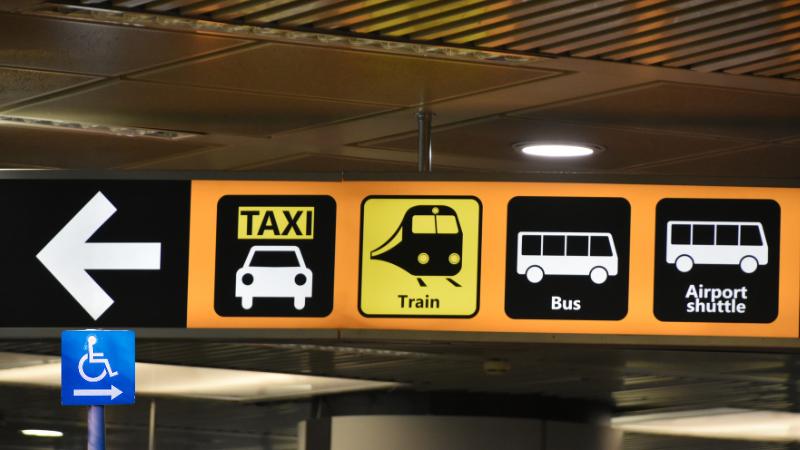
Although NJ Transit claims that its bus fleet is fully accessible and that “most” of its train stations meet ADA standards, many riders say that statement glosses over the significant issues at key locations. While accessibility may technically exist, poor maintenance or infrequent upgrades can leave vital features like elevators and escalators out of service for months or even years. In East Orange, Brick Church Station — a major commuter hub — is slated for a massive overhaul. Originally opened in 1921, the station will undergo a full accessibility transformation thanks to a federal grant of over $83 million awarded in 2024. The renovation will include high-level platforms, modern elevators, improved lighting, new security measures, and aesthetic restorations to preserve the station’s historical architecture. Construction will take place in phases over the next few years.
Despite these steps forward, many riders remain skeptical. They argue that while future plans are promising, current conditions make travel unnecessarily difficult for thousands of passengers who depend on reliable, accessible infrastructure right now. Delays in projects, lack of proactive maintenance, and slow implementation of upgrades are seen as signs that the needs of disabled riders aren’t being prioritized. Transit advocates and riders alike are calling for increased transparency, faster timelines, and more accountability to ensure that public transportation in New Jersey is truly inclusive. With billions invested in infrastructure across the region, they say ensuring equitable access must be a central part of that progress — not an afterthought.