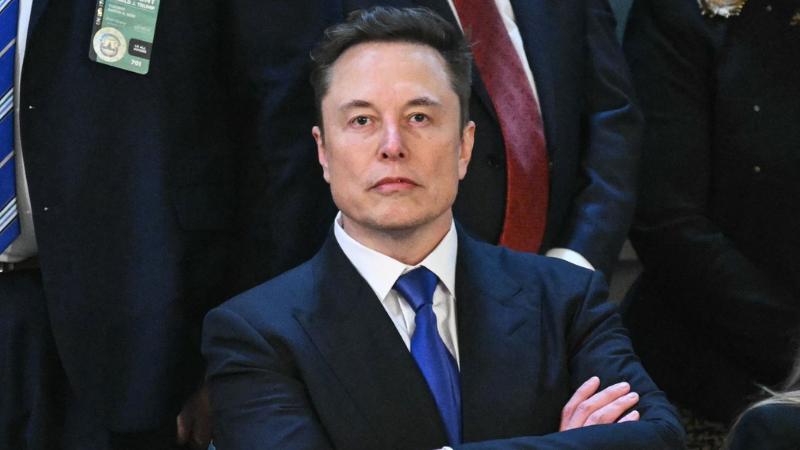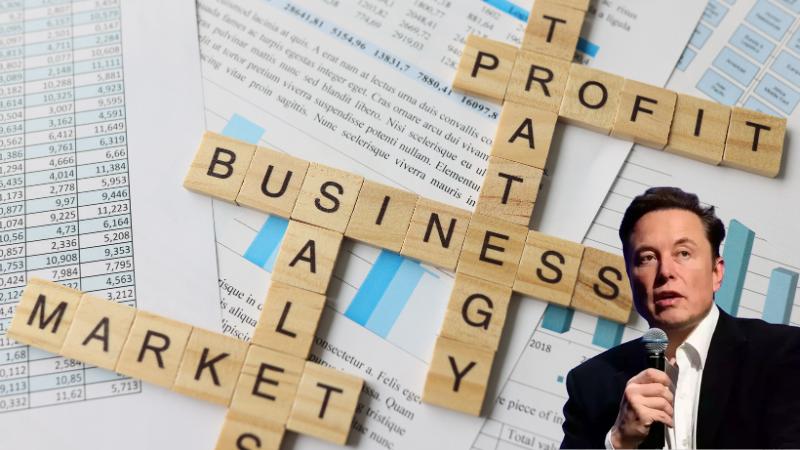
Tesla CEO Elon Musk has announced a partial retreat from his high-profile government role to refocus on Tesla, a move that comes in the wake of a dramatic downturn in the company’s sales and profits. During a recent earnings call, Musk informed investors that starting in May, his commitment to the Department of Government Efficiency (DOGE) would be scaled back to just one or two days per week. He defended his involvement with DOGE, stating it was part of a mission to combat national waste and fraud, though acknowledged the time has come to reprioritize Tesla.
The decision follows Tesla’s disappointing quarterly report, which showed significant drops across key financial metrics. Revenue declined by 9 percent while auto revenue plummeted 20 percent. More critically, net income plunged 71 percent year-over-year, and adjusted income fell by 39 percent, all figures notably worse than analysts had forecast. This downturn marks the company’s lowest vehicle delivery numbers in nearly three years, with 50,000 fewer units sold compared to the same period last year.
While Tesla has largely manufactured its vehicles in the United States, which insulates it somewhat from recent tariffs on imported autos, the company still relies on imported parts. The Trump administration’s imposition of tariffs and the broader uncertainty surrounding global trade policy have added layers of complexity to Tesla’s operations. Musk, while not directly blaming the administration, emphasized that tariff decisions ultimately rest with the President, but reaffirmed his support for lower tariffs as a path to economic prosperity.
Despite assurances about the temporary nature of his government role, Musk’s association with the Trump administration has sparked backlash. Protests and acts of vandalism have occurred at Tesla locations, and some market analysts suggest that Musk’s political involvement has tarnished the Tesla brand, contributing to declining sales. The backlash has been especially notable in Europe, where Musk has also become politically vocal in support of right-leaning parties in countries like Germany and the UK. These positions have coincided with sharp sales declines in those regions
Still, Musk defended his involvement with DOGE as a patriotic duty, suggesting that correcting systemic inefficiencies was essential for national recovery and, by extension, Tesla’s survival. He asserted that critics, including those protesting, were likely benefitting from the very inefficiencies DOGE aims to dismantle. He reiterated that his work setting up the agency was mostly complete, and that Tesla will now regain his full attention.
The market responded positively to Musk’s announcement. Tesla shares climbed 4 percent in after-hours trading, reflecting renewed investor confidence that Musk’s return could stabilize the company. However, this optimism contrasts sharply with Tesla’s performance trajectory over the last several months. After a post-election rally that saw the stock nearly double, Tesla shares have since erased all those gains, falling by half from their peak in mid-December.
The broader economic environment has also complicated Tesla’s outlook. Musk cited macroeconomic weakness and consumer uncertainty as contributing factors to the sales slump, though competitors in the electric vehicle market have shown resilience. While Musk downplayed the notion of brand damage, insisting demand remains steady apart from external economic conditions, industry analysts are less convinced.
Tesla continues to face mounting pressure from both domestic and international competitors. In particular, China’s BYD has emerged as a formidable rival, outpacing Tesla in quarterly EV sales on multiple occasions, including the first quarter of this year. While Tesla has maintained its lead in full-year EV sales globally, the gap is closing quickly. With current sales trends, Tesla risks losing its top position in the EV market by 2025.
Despite the headwinds, Musk painted a hopeful vision for Tesla’s future. He maintained that the company is poised for long-term success, bolstered by ambitious projects such as autonomous driving technology and the development of humanoid robots. He expressed confidence that these innovations will usher in what he described as a period of “sustainable abundance for all.”
As part of its forward-looking plans, Tesla reaffirmed its intention to introduce more affordable EV models by the end of June. The company also reiterated its commitment to launching a driverless robotaxi service within the next year. These vehicles, which Musk says will operate without steering wheels or pedals, are slated to begin pilot testing later this spring.
Tesla’s challenges are not solely due to political affiliations or delayed product rollouts. They reflect a complex web of issues including global supply chain disruptions, intensifying competition, and the inherent volatility of a rapidly evolving EV market. Musk’s re-engagement with Tesla may reassure stakeholders, but reversing the company’s declining trajectory will require more than just a shift in leadership focus.
With Musk back at the helm, the coming months will be crucial in determining whether Tesla can reclaim its growth momentum and reinforce its standing as a leader in the electric vehicle industry. Investors, consumers, and critics alike will be watching closely to see if Tesla’s rebound matches the optimism of its visionary CEO.