In a significant diplomatic move following the April 22 Pahalgam terror attack, India has initiated a global outreach programme involving 33 nations to reaffirm its zero-tolerance stance on terrorism. The campaign, starting May 21, is being led by seven parliamentary delegations representing a wide political spectrum. These delegations will engage with international stakeholders and United Nations Security Council (UNSC) members to highlight India’s counter-terrorism efforts and counter Pakistan’s narrative.
Foreign Secretary Vikram Misri briefed all seven teams on Tuesday ahead of their departure. By Sunday, all delegations will be en route to their designated countries. The selected 33 nations include the five permanent members of the UNSC, ten rotating members, five upcoming UNSC entrants, and several other countries considered globally influential.
According to BJP MP Aparajita Sarangi, the countries were chosen based on their global standing and influence at forums like the UNSC. The aim is to build support for India's anti-terrorism stance, especially in light of growing regional tensions. Some countries on the list are current UNSC members, such as Pakistan, which will retain its seat for another 17 months and is expected to push its counter-narrative aggressively.
Sarangi, part of the delegation led by JDU’s Sanjay Kumar Jha, emphasized the bipartisan nature of this initiative. The MPs will travel to Indonesia, Malaysia, South Korea, Japan, and Singapore, with the first stop being Japan. She stressed the importance of conveying India’s unified message to political leaders, bureaucrats, journalists, intellectuals, and expatriates in these countries. "Our government rightly decided that MPs from various parties should travel together to present a united front and counter Pakistan’s claims. It is essential that we communicate India’s firm stand against terrorism," said Sarangi, who represents Bhubaneswar.
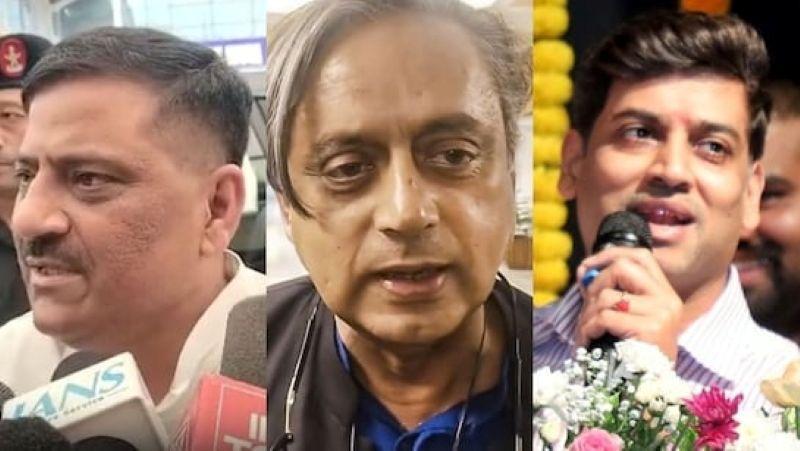
India's outreach comes in the aftermath of Operation Sindoor, a military strike on terror camps in Pakistan and Pakistan-Occupied Kashmir earlier this month in retaliation for the Pahalgam attack that claimed 26 lives. This operation, and the diplomatic steps that followed, underscore India’s multi-pronged approach to tackling terrorism both militarily and diplomatically. The outreach includes seven teams led by senior political figures across party lines Congress’s Shashi Tharoor, BJP’s Ravi Shankar Prasad and Baijayant Panda, JDU’s Sanjay Kumar Jha, NCP’s Supriya Sule, Shiv Sena’s Shrikant Eknath Shinde, and DMK’s Kanimozhi.
Jha's team, comprising nine members, includes BJP MPs Aparajita Sarangi, Brij Lal, Prasan Baruah, and Hemang Joshi, CPM’s John Brittas, and Trinamool Congress’s Abhishek Banerjee, who replaced Yusuf Pathan. Another team, led by Shrikant Shinde, includes Bansuri Swaraj and Sasmit Patra, and will depart shortly after Jha’s team. These teams will engage with high-level officials such as prime ministers, foreign ministers, parliamentarians, opposition leaders, journalists, academics, and the Indian diaspora.
This outreach serves two main purposes: to consolidate international support for India's counter-terrorism agenda and to neutralize efforts by Pakistan to present itself as a victim on global platforms. The choice of influential countries also aims to build diplomatic momentum for India’s long-standing goal of designating Pakistan as a state sponsor of terrorism. As the delegations begin their global mission, India is setting a precedent by combining bipartisan political representation with strategic diplomacy, hoping to forge stronger global alliances in the fight against terrorism.