- devara
- 04 Aug 2025
- #Food & Beverages #FrozenIndianMeals #MealKits #FrozenMealsVsMealKits #BestFrozenIndianMeals #MealKitsForIndianRecipes #ConvenienceMeals #ReadyToEatIndianFood #HealthyFrozenMeals #MealKitDeliveryService #MealKitsVsFrozenFood #FrozenIndianFoodVsMealKits #CookingMadeEasy #QuickIndianMeals #MealPrep #HealthyMealKits #FrozenMealDelivery
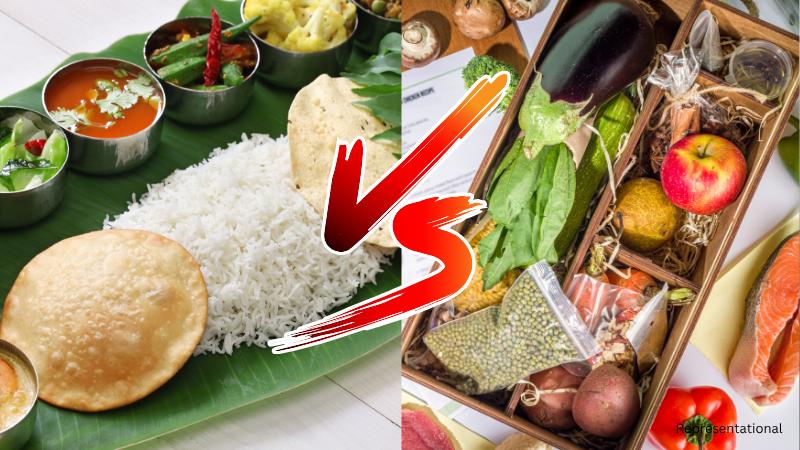
In today’s fast-paced world, convenience is key when it comes to meal preparation. For those who crave authentic Indian flavors but don’t have the time or skill to cook traditional dishes from scratch, frozen Indian meals and meal kits are two popular options that offer convenience without compromising on taste. Both have their pros and cons, but choosing the right one depends on your preferences, dietary needs, and how much effort you’re willing to put into your meals. This article explores the differences between frozen Indian meals and meal kits, helping you decide which is better for your needs.
What Are Frozen Indian Meals?
Frozen Indian meals are ready-to-eat dishes that have been pre-cooked, frozen, and packaged for easy use. These meals typically come in sealed containers and only require heating in a microwave or oven. The frozen food industry has seen a significant increase in demand, particularly for ethnic cuisine, and Indian meals are no exception. Popular frozen Indian meal options include curries, biryanis, parathas, and dals, prepared with authentic spices and ingredients.
Benefits of Frozen Indian Meals:
-
Convenience: The biggest advantage of frozen Indian meals is the convenience. They’re quick to prepare, making them ideal for busy individuals or families who want a hot meal without the hassle of cooking from scratch.
-
Long Shelf Life: Since they are frozen, these meals can be stored for long periods in your freezer, allowing you to stock up and have a variety of options on hand.
-
Authentic Flavors: Many frozen Indian meals are crafted by Indian food companies or chefs who maintain the authenticity of the spices and ingredients, so you can still enjoy rich, flavorful dishes.
-
Portion Control: Frozen meals often come in single or family-sized portions, helping you control the amount of food you’re preparing and consuming.
Drawbacks of Frozen Indian Meals:
-
Preservatives and Additives: Some frozen meals may contain preservatives, artificial colors, or additives to maintain flavor and texture, which may not be ideal for those seeking whole, natural ingredients.
-
Limited Customization: Frozen meals come as pre-cooked dishes, which means there’s no room to customize the ingredients or flavors to suit your personal taste or dietary preferences.
-
Quality Variability: Depending on the brand, some frozen Indian meals may lack the richness of freshly cooked food, especially in terms of texture or flavor intensity.
What Are Meal Kits?
Meal kits are subscription-based services that deliver pre-measured ingredients along with recipes, enabling you to prepare fresh meals at home. These kits usually include everything you need to cook a dish, including vegetables, spices, proteins, and sauces, but you’re required to cook the meal yourself. Meal kit services have gained popularity in recent years due to the convenience of having fresh ingredients delivered right to your door, combined with easy-to-follow recipes.
Benefits of Meal Kits:
-
Fresh Ingredients: Meal kits typically offer fresh ingredients, meaning you get a meal that is as close as possible to what you would make from scratch. The ingredients are pre-measured, so you don’t have to worry about wasting food.
-
Customization: Some meal kit services allow you to choose the meals you want to make based on your preferences, whether you’re vegetarian, gluten-free, or following a specific diet like keto or low-carb.
-
Learning Experience: Meal kits are perfect for individuals who want to learn how to cook but don’t know where to start. The recipes are often simple and easy to follow, making it a fun cooking experience for beginners.
-
Variety of Options: Meal kit companies offer a range of dishes to choose from, including Indian recipes. You can opt for traditional Indian curries, biryanis, and snacks, or explore fusion recipes with an Indian twist.
Drawbacks of Meal Kits:
-
Time-Consuming: While meal kits save time on grocery shopping and prep work, you still need to cook the meal yourself. This could take anywhere from 30 minutes to an hour, depending on the recipe and your cooking skills.
-
Higher Cost: Meal kits can be more expensive compared to frozen meals since they involve the cost of fresh ingredients, packaging, and delivery. Over time, this can add up, especially if you're using the service regularly.
-
Short Shelf Life: Unlike frozen meals, which can last for months, meal kits have a short shelf life. The ingredients need to be used within a few days of delivery, which may not be ideal for people with busy schedules or those who don’t want to cook often.
Frozen Indian Meals vs Meal Kits: Which Is Better?
When it comes to choosing between frozen Indian meals and meal kits, it ultimately depends on your lifestyle, preferences, and goals. Let’s break it down based on different factors:
Convenience and Time
-
Frozen Indian Meals: If you are in a hurry and need something ready to eat in just a few minutes, frozen meals are the clear winner. They require minimal preparation, making them ideal for individuals with hectic schedules or those looking for a quick meal.
-
Meal Kits: Meal kits require time and effort to cook. While they provide fresh ingredients, you’ll still need at least 30 minutes to prepare the meal. This option is better suited for those who enjoy cooking and want to spend a bit more time in the kitchen.
Taste and Freshness
-
Frozen Indian Meals: Frozen meals are convenient, but they may not taste as fresh as a dish made from scratch or from a meal kit. However, they still offer authentic flavors and are ideal for when you need a quick fix.
-
Meal Kits: Meal kits offer fresh, high-quality ingredients, and you have control over the preparation process. If you enjoy cooking and want a fresh meal with the option to customize flavors, meal kits are the better choice.
Health and Nutrition
-
Frozen Indian Meals: While frozen meals are generally nutritious, they may contain preservatives and additives. If you’re focused on eating whole, natural foods, frozen meals may not always be the best choice.
-
Meal Kits: Meal kits tend to offer fresher, healthier ingredients. Since they don’t rely on preservatives, they can be a more nutritious option, particularly if you’re choosing meals that are focused on vegetables, lean proteins, and whole grains.
Cost
-
Frozen Indian Meals: Frozen meals are usually more affordable and cost-effective compared to meal kits, making them ideal for budget-conscious individuals or families.
- Meal Kits: Meal kits can be more expensive due to the cost of fresh ingredients and delivery. However, they offer a premium service and a cooking experience, which may justify the cost for some users.
🔖 Explore More
Paneer vs Tofu: Which Is Better for Indian Recipes? A Detailed Comparison
Canned Indian Food vs Frozen Options: What Lasts Longer and Which is Better for You?
Traditional Indian Drinks That Boost Immunity: Natural Ways to Strengthen Your Body
Discover Best Food Deals for NRIs in the USA - Food & Restaurant