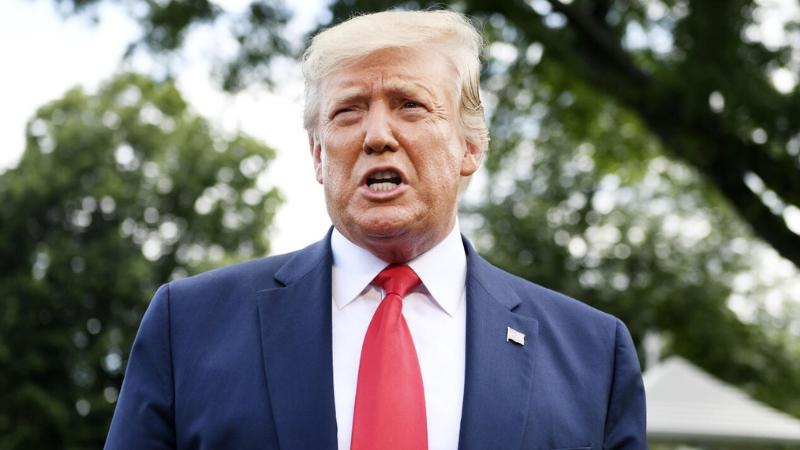
According to senior officials and sources familiar with ongoing discussions, former President Donald Trump personally engaged with Ukrainian President Volodymyr Zelenskyy and key European leaders early Saturday morning in a phone call that focused on the possibility of the United States participating in a NATO-like security guarantee for Ukraine as part of a broader peace deal with Russia. This development comes at a critical moment when Ukraine’s security future remains one of the most pressing issues in Europe and for the global balance of power.
One source familiar with the conversation stated that both European and American security guarantees were discussed directly during the call. However, the presence of U.S. ground troops in Ukraine was not part of the discussions and was not something Trump entertained as a possibility. The talks focused instead on assurances that could prevent future aggression by Russia without requiring NATO membership.
Earlier this week, President Zelenskyy had told reporters that the United States had not yet provided concrete security guarantees to Ukraine, something Kyiv has been pushing for since the escalation of conflict. Zelenskyy emphasized that while bilateral and trilateral meetings involving the United States, Ukraine, and Russia are central, he also values Europe’s role. He stressed that no other region besides Europe has provided tangible security guarantees to Ukraine so far, particularly through financial and military support. He pointed out that even the financing of the Ukrainian army’s needs can be considered a form of security guarantee in itself.
The framework being discussed suggests that the United States could be prepared to offer NATO-style protections to Ukraine in the event of future Russian aggression. However, according to those close to the talks, such guarantees would not involve granting Ukraine NATO membership directly. This cautious stance reflects the continuing debate over how far Western powers should go in extending commitments to Ukraine while trying to balance deterrence against Russia with avoiding escalation into direct confrontation.
European leaders, however, have voiced a stronger position on Ukraine’s future. In a joint statement released Saturday morning, they reiterated their view that Ukraine should retain the right to seek NATO membership. They also welcomed signals from Washington suggesting readiness to extend security guarantees. Their statement insisted that Ukraine must not face limitations on its armed forces or international cooperation, and stressed that Russia cannot hold veto power over Ukraine’s eventual pathway toward both the European Union and NATO.
Sources also revealed that the guarantees under discussion would likely be structured in such a way that they would only activate if Russia were to invade Ukraine again following a peace settlement. This conditional arrangement highlights the delicate balancing act involved, where Western countries are trying to encourage a sustainable peace while maintaining deterrence.
These conversations did not emerge in isolation. In recent days, Secretary of State Marco Rubio and Vice President JD Vance have engaged directly with Ukrainian officials, including Andriy Yermak, chief of staff to President Zelenskyy, to shape the outlines of such guarantees. Their involvement underscores the seriousness with which Washington is approaching the matter, even as final terms remain uncertain.
The broader picture is one where Ukraine’s demand for reliable and lasting security assurances is meeting the West’s strategic calculation about stability in Europe. Zelenskyy has consistently pressed for robust commitments that will ensure Ukraine is not left vulnerable to renewed Russian offensives once a peace deal is reached. While NATO membership remains a divisive issue due to its potential to heighten tensions with Moscow, the NATO-like guarantee model provides a compromise that could offer Ukraine significant protections without formally bringing it into the alliance.
For Trump, these discussions also mark a significant moment in shaping his foreign policy stance should he return to power. His direct engagement with Zelenskyy and European leaders indicates his willingness to position the United States as a key broker in the ongoing conflict resolution process. Yet his reluctance to discuss ground troops signals a continued preference for strategic guarantees rather than direct military involvement.
In conclusion, the talks between Trump, Zelenskyy, and European leaders represent a critical step in defining Ukraine’s security framework as part of a possible peace settlement with Russia. While NATO membership is not on the table, the idea of U.S.-backed NATO-like security guarantees reflects an evolving approach that blends deterrence with diplomacy. Europe’s insistence on Ukraine’s right to pursue NATO membership highlights differences in tone but not in the shared commitment to ensuring Ukraine’s future security. As negotiations continue, the balance between providing credible guarantees and avoiding escalation with Russia will remain the central challenge shaping the outcome of these historic discussions.