Powell, Ohio — Police officials are raising concerns about the increasing number of electric scooters and bikes being used by teenagers and children in local neighborhoods. With the popularity of e-bikes and scooters climbing rapidly, officers have noticed more complaints, unsafe riding behaviors, and even minor accidents involving young riders. In response, a new educational program has been introduced to teach proper road use, safety awareness, and traffic laws related to these vehicles.
Chief Ron Sallows emphasized that road safety today involves much more than just cars and trucks. He noted that the number of e-bike and e-scooter crashes has increased significantly nationwide, and the community is beginning to feel the effects locally. As these devices become more accessible, parents are being urged to take a more active role in ensuring their children understand how to operate them responsibly. Sallows explained that many young riders and their families do not fully grasp the rules that apply to different types of electric bikes and scooters, leading to confusion and potential danger on the roads.
There are three main classes of e-bikes, each with specific speed limits and legal requirements. Class 1 and Class 2 e-bikes typically reach lower speeds and are intended for use on sidewalks or bike lanes. However, they do not automatically have pedestrian rights when crossing at a crosswalk, which can lead to misunderstandings. Riders using these bikes must yield to pedestrians and follow vehicle rules where applicable. Class 3 e-bikes, on the other hand, can reach speeds up to 28 miles per hour and are required to stay on the road, keeping to the right-hand side. Only riders aged 16 and older may legally operate Class 3 bikes, and wearing a helmet is mandatory.
Sallows pointed out that many young riders assume they can treat e-bikes the same as traditional bicycles or even pedestrians, which is not the case under current traffic laws. He warned that crossing at pedestrian crosswalks while on a bike or scooter does not grant the same rights as walking. Riders are advised to dismount when crossing and to understand that these vehicles are still considered motorized devices under the law. This misunderstanding has contributed to several near-miss incidents in the area, especially in busy intersections and near schools.
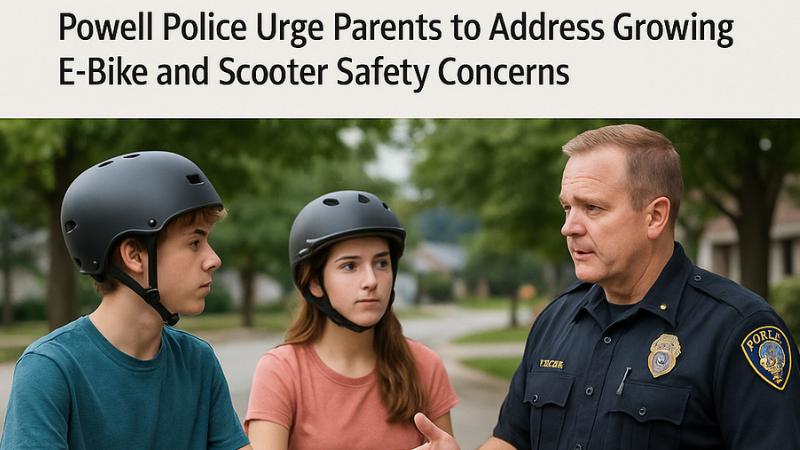
To address the growing safety concerns, the new program allows officers to work directly with residents who own or plan to purchase e-bikes or scooters. The goal is to help both new and experienced riders understand the rules of the road, learn safe riding habits, and avoid potential hazards. Parents are encouraged to bring their children to meet with officers, ask questions, and learn the correct way to operate these devices in traffic or on sidewalks. Sallows believes that education and awareness are the best tools to reduce accidents and improve safety for everyone sharing the road.
He also highlighted the importance of wearing protective gear, especially helmets, regardless of bike class. Riders are advised to stay visible, obey all traffic signals, and avoid using e-bikes or scooters in crowded pedestrian areas. The department hopes that this proactive approach will not only reduce the number of complaints and crashes but also foster a culture of responsibility among young riders.
As the city continues to grow and more residents embrace new forms of electric transportation, officials want to ensure that innovation does not come at the cost of safety. The program reflects a commitment to community engagement and preventive education rather than strict enforcement alone. Sallows reiterated that the aim is not to penalize riders but to help them understand the laws and stay safe. Parents and guardians are encouraged to reach out, schedule a visit, and take advantage of the opportunity to discuss e-bike and scooter safety with trained officers.
By taking early steps toward education, the community hopes to curb risky behaviors and prevent future accidents involving young e-scooter and e-bike riders. Police believe that by working together with parents, schools, and the wider community, they can make local roads safer for everyone.
Chief Ron Sallows emphasized that road safety today involves much more than just cars and trucks. He noted that the number of e-bike and e-scooter crashes has increased significantly nationwide, and the community is beginning to feel the effects locally. As these devices become more accessible, parents are being urged to take a more active role in ensuring their children understand how to operate them responsibly. Sallows explained that many young riders and their families do not fully grasp the rules that apply to different types of electric bikes and scooters, leading to confusion and potential danger on the roads.
There are three main classes of e-bikes, each with specific speed limits and legal requirements. Class 1 and Class 2 e-bikes typically reach lower speeds and are intended for use on sidewalks or bike lanes. However, they do not automatically have pedestrian rights when crossing at a crosswalk, which can lead to misunderstandings. Riders using these bikes must yield to pedestrians and follow vehicle rules where applicable. Class 3 e-bikes, on the other hand, can reach speeds up to 28 miles per hour and are required to stay on the road, keeping to the right-hand side. Only riders aged 16 and older may legally operate Class 3 bikes, and wearing a helmet is mandatory.
Sallows pointed out that many young riders assume they can treat e-bikes the same as traditional bicycles or even pedestrians, which is not the case under current traffic laws. He warned that crossing at pedestrian crosswalks while on a bike or scooter does not grant the same rights as walking. Riders are advised to dismount when crossing and to understand that these vehicles are still considered motorized devices under the law. This misunderstanding has contributed to several near-miss incidents in the area, especially in busy intersections and near schools.
To address the growing safety concerns, the new program allows officers to work directly with residents who own or plan to purchase e-bikes or scooters. The goal is to help both new and experienced riders understand the rules of the road, learn safe riding habits, and avoid potential hazards. Parents are encouraged to bring their children to meet with officers, ask questions, and learn the correct way to operate these devices in traffic or on sidewalks. Sallows believes that education and awareness are the best tools to reduce accidents and improve safety for everyone sharing the road.
He also highlighted the importance of wearing protective gear, especially helmets, regardless of bike class. Riders are advised to stay visible, obey all traffic signals, and avoid using e-bikes or scooters in crowded pedestrian areas. The department hopes that this proactive approach will not only reduce the number of complaints and crashes but also foster a culture of responsibility among young riders.
As the city continues to grow and more residents embrace new forms of electric transportation, officials want to ensure that innovation does not come at the cost of safety. The program reflects a commitment to community engagement and preventive education rather than strict enforcement alone. Sallows reiterated that the aim is not to penalize riders but to help them understand the laws and stay safe. Parents and guardians are encouraged to reach out, schedule a visit, and take advantage of the opportunity to discuss e-bike and scooter safety with trained officers.
By taking early steps toward education, the community hopes to curb risky behaviors and prevent future accidents involving young e-scooter and e-bike riders. Police believe that by working together with parents, schools, and the wider community, they can make local roads safer for everyone.