A tragic incident in Brazil has reignited global discussions about the dangers of cosmetic enhancement trends promoted on social media. Adair Mendes Dutra Junior, a 31-year-old fashion influencer, died last week after developing a severe infection following a “fox eyes” cosmetic surgery — a procedure designed to give the eyes a lifted, elongated look.
According to reports, Dutra underwent the popular surgery but soon began experiencing swelling, pain, and breathing difficulties. His condition reportedly worsened due to infection, leading to fatal complications believed to be linked to sepsis.
The incident has become a cautionary tale about how beauty ideals shaped by social media can blur the line between self-expression and self-endangerment. It also highlights how procedures often marketed as “quick fixes” or “minimally invasive” can carry serious medical risks when not handled by qualified professionals.
The rise and risk of the ‘fox eyes’ trend
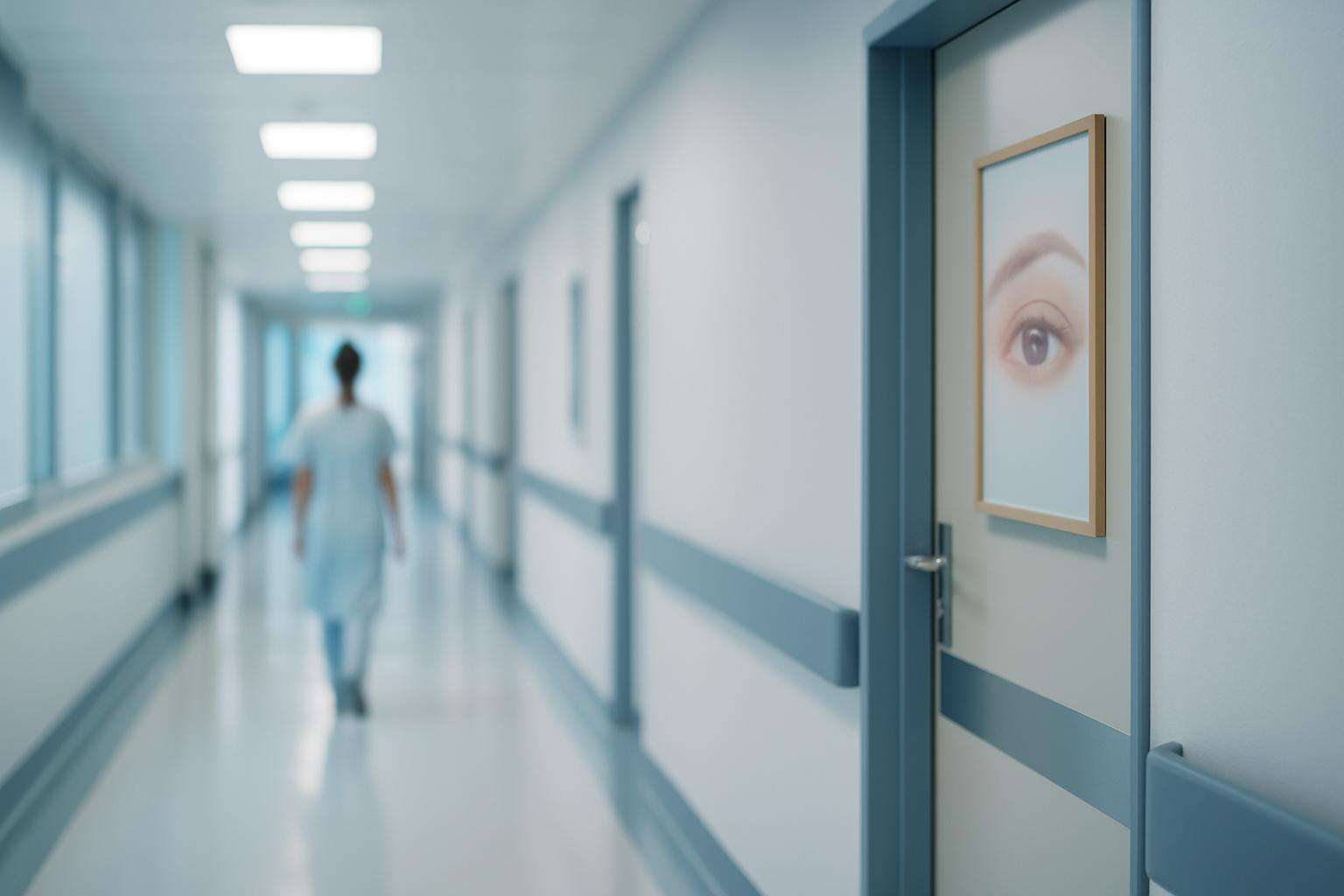
The “fox eyes” or “cat eyes” look — named after its upturned, almond-shaped aesthetic — has gained viral appeal among influencers and celebrities in recent years. The surgery can be performed through a lateral brow lift, thread lift, or minor incisions that lift the outer corners of the eyes to achieve a youthful, exotic appearance.
Dr. Debraj Shome, co-founder and director of The Esthetic Clinics, explained that although the procedure seems simple, it requires precision and deep anatomical understanding. “The surgeon must tailor the method to each individual’s facial structure,” he said. “If done incorrectly or in an unhygienic environment, it can lead to permanent damage or even life-threatening infections.”
During the operation, surgeons make small incisions or insert dissolvable threads under local anesthesia to lift tissue around the eyes. Patients usually experience swelling or bruising for a few weeks before the skin settles into its final contour. However, Dr. Shome warned that many underestimate the postoperative care required. “Strict aftercare is essential — cleanliness, zero strain, and immediate response to any signs of infection,” he emphasized.
Although promoted as minimally invasive, the risks include nerve damage, eyelid misalignment, corneal irritation, inflammation, or infection. “Even a tiny lapse in hygiene can introduce bacteria into the bloodstream,” Dr. Shome cautioned. “If left untreated, it can progress to sepsis and, in extreme cases, death.”
In Dutra’s case, early reports suggest the infection may have escalated rapidly. “It appears he developed swelling and breathing issues, pointing toward sepsis or airway obstruction,” said Dr. Shome. “These tragic outcomes show how vital it is for cosmetic surgeries to be performed in sterile, accredited facilities with proper monitoring.”
Lessons and caution for the beauty-obsessed age
As cosmetic trends dominate social media, experts say it’s crucial to remember that these are still surgical procedures, not beauty shortcuts. Dr. Shome advises patients to verify surgeon credentials, ensure pre-surgery health checks, and strictly follow aftercare instructions.
He also warned against chasing viral aesthetics without understanding their physical risks. “Choose expertise over hype,” he said. “A trend is not worth your life.”
Dutra’s death has sparked reflection among both influencers and audiences about the pressures of online perfection. In a world where filters and photos often dictate self-worth, his story underscores the need for realism, responsibility, and restraint.
“In the era of Instagram beauty,” Dr. Shome noted, “we must remember — cosmetic surgery is still surgery. It’s not a beauty hack but a medical procedure that demands respect, awareness, and care.”