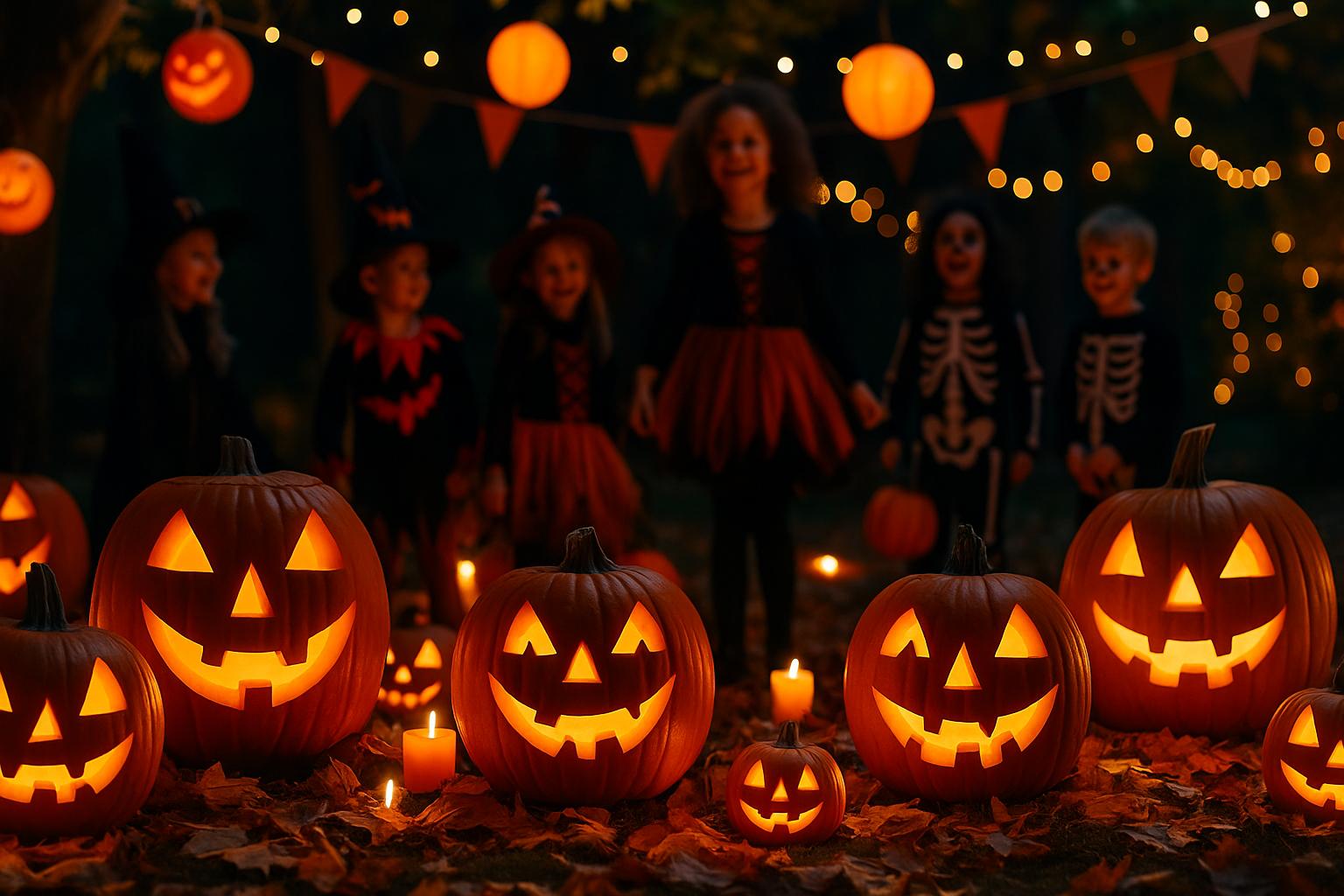
Halloween, celebrated every year on October 31, is one of the world’s most recognizable festivals, combining ancient traditions, spiritual symbolism, and modern fun. What began thousands of years ago as a harvest festival in Celtic Europe has transformed into a global celebration of creativity, costumes, and community gatherings. In 2025, Halloween will be celebrated on Friday, October 31, bringing a weekend of festivities across several countries.
The origins of Halloween trace back over 2,000 years to the Celtic festival of Samhain, observed in regions that are now Ireland, the United Kingdom, and northern France. The Celts believed that on the night of October 31, the boundary between the living and the spirit world became thin, allowing ghosts to cross into the human realm. Fires were lit, costumes were worn, and offerings were made to ward off evil spirits while celebrating the end of the harvest season and the beginning of winter.
When Christianity spread through Europe, many pagan traditions merged with Christian observances. The Church designated November 1 as All Saints’ Day (also known as All Hallows’ Day) to honor saints and martyrs, and the evening before became known as All Hallows’ Eve—which later evolved into the word Halloween. Over centuries, the festival shed much of its religious significance and became a blend of folklore, superstition, and community entertainment.
Halloween reached North America with Irish immigrants in the 19th century, where it gradually transformed into the modern celebration known today. By the 20th century, it became a popular cultural event in the United States, featuring parades, costume parties, pumpkin carving, and the famous tradition of trick-or-treating, where children go door-to-door collecting candies and treats. The image of the jack-o’-lantern, carved from pumpkins with flickering lights inside, became the symbol of Halloween, representing both protection from spirits and festive creativity.
Today, Halloween is celebrated not only in the United States, Canada, and the United Kingdom, but also in Australia, New Zealand, parts of Europe, Japan, and urban centers in India. In the U.S. and Canada, houses are decorated with ghosts, cobwebs, and glowing pumpkins, while adults and children alike attend costume parties, haunted houses, and horror-themed events. In the U.K. and Ireland, many still observe Halloween with bonfires and ghost stories, blending ancient Celtic roots with modern celebrations. Asian countries such as Japan and South Korea have also embraced the festival, often with elaborate costume parades and themed entertainment parks.
In India and other countries where Halloween is not a traditional holiday, the celebration has become increasingly popular in urban areas, especially among youth. Shopping malls, cafes, and schools host themed events, and costume stores see a surge in demand for spooky and creative outfits. The global reach of movies, television, and social media has made Halloween an international cultural event that transcends borders.
This year, Halloween 2025 falls on Friday, October 31, making it ideal for weekend festivities. Many cities are expected to hold night parades, costume contests, and community gatherings across the weekend. Families will decorate homes with pumpkins, bats, skeletons, and lights, while children prepare their costumes and candy bags for trick-or-treating.
At its core, Halloween remains a blend of ancient spirituality and modern celebration—a night when people embrace the playful side of fear, creativity, and imagination. From its Celtic origins to today’s global parties, Halloween continues to evolve, reminding the world of the timeless human fascination with mystery, transformation, and the joy of coming together under the glow of autumn’s final night.