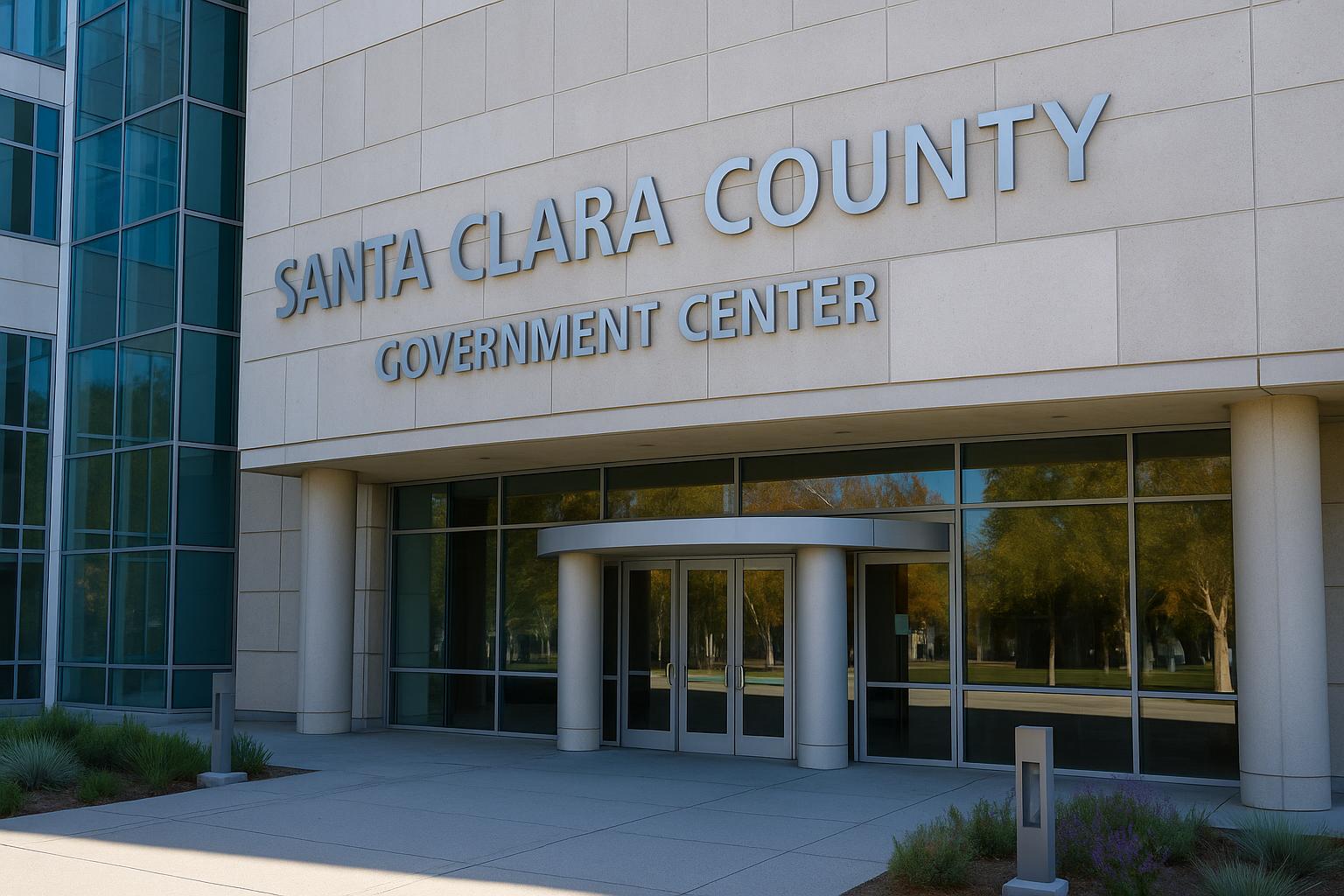
Santa Clara County’s recently approved sales tax increase has triggered a growing conflict among its supporters, with county officials, law enforcement leaders and community advocates divided over how the revenue should be distributed. The dispute centers on Measure A, a five-eighths-cent sales tax increase approved by 57% of voters, which county leaders described as a critical source of funding for the region’s strained public hospital system. Now, disagreements over future budget allocations have led to questions about whether the measure was promoted with consistent and transparent messaging.
Measure A was framed during the campaign as a vital tool to protect the county’s large public health system from steep federal funding reductions tied to national policy changes under President Donald Trump. The county argued that the tax increase was necessary to prevent major service cuts at facilities already operating near capacity. Many law enforcement officials, however, said they supported the measure only after receiving assurances that a portion of the new funding would bolster public safety departments that had been facing significant budget pressures of their own.
Tensions intensified this week after County Executive James Williams said he would recommend allocating all Measure A revenue to cover shortfalls caused by federal health care cuts. He emphasized that the intention was to stabilize access to care for vulnerable residents and ensure public oversight of the spending. The proposal surprised several law enforcement leaders, who believed earlier discussions had signaled that public safety funding would also benefit from the measure.
District Attorney Jeff Rosen openly challenged the new direction, saying he was concerned about whether voters had been given accurate information when they supported the tax. Rosen said he is prepared to examine whether county communications misrepresented how the money would be used, noting that he has a responsibility to ensure compliance with state law and voter trust. His comments signaled the possibility of a formal review, though no investigation has yet been launched.
The county has maintained that Measure A is a general tax, meaning funds are not legally bound to any specific program and can be allocated at the discretion of elected officials. A special tax, which would have required a two-thirds majority vote, would have restricted all revenue solely to hospital funding. Supporters argued during the campaign that a general tax was more achievable given the short timeline and urgent financial pressures facing the health system.
Still, the shift in spending plans alarmed some of the measure’s early advocates. Max Zarzana, president of the Santa Clara County Government Attorneys Association, questioned whether the campaign’s messaging created an expectation that funds would be more broadly shared. He expressed concern about what he called a potential “bait and switch,” saying the decision to prioritize hospital revenue at the expense of public safety would have far-reaching implications for community safety.
Williams countered that all county departments benefit indirectly from Measure A because the revenue prevents deeper cuts across the entire budget, including law enforcement. He said leaders must focus on addressing the gap created by federal Medi-Cal reductions to protect essential services countywide.
Legal experts have expressed skepticism about claims of misconduct. Darien Shanske, a law professor specializing in California tax and constitutional law, said the county appears to be operating within the legal boundaries of a general tax. He noted that directing revenue toward health care needs caused by federal policy changes does not transform the measure into a restricted special tax.
Community health advocates also reiterated that voters strongly supported investment in the hospital system. Dolores Alvarado, head of Community Health Partnerships, said her organization believed hospital funding was the measure’s foremost priority. She warned that service cuts would force patients to seek care outside the county, increasing financial strain on families and threatening access to specialized treatment.
The controversy unfolds as Santa Clara County continues to grapple with the demands placed on one of the state’s largest public hospital networks. Local physicians and health officials warned during the campaign that budget cuts would create ripple effects throughout the region, likely leading to more emergency room congestion and longer waits for critical care. These concerns have been central to the county’s argument for prioritizing hospital funding in the coming fiscal years.
Law enforcement reactions to the latest developments have varied. Sheriff Bob Jonsen, while more restrained than other public safety leaders, acknowledged that Measure A had prevented some of the steepest reductions to his department. He emphasized a continued commitment to responsible budgeting and resource management as the county determines its spending strategy.
During the campaign, Rosen and law enforcement unions had joined city leaders in endorsing Measure A. San Jose Mayor Matt Mahan eventually supported the measure after raising early questions about hospital spending, though he declined to comment on the emerging dispute. Opposition groups, including local taxpayer associations and political organizations, attempted to block the measure through litigation, but the challenge was rejected in court. An appeal is currently pending.
As county supervisors prepare to review the spending plan, debate continues over how best to balance public health needs with law enforcement funding. The outcome of these discussions is likely to shape Santa Clara County’s budget priorities for years to come, setting the stage for continued scrutiny from residents, officials and advocacy groups across the region.