A former sheriff’s deputy in Illinois has been sentenced to 20 years in prison for the fatal shooting of Sonya Massey, a Springfield woman who had called 911 seeking help after reporting a possible prowler near her home. The sentence was handed down Thursday, concluding a case that has drawn national attention and renewed debate over police use of force during emergency responses.
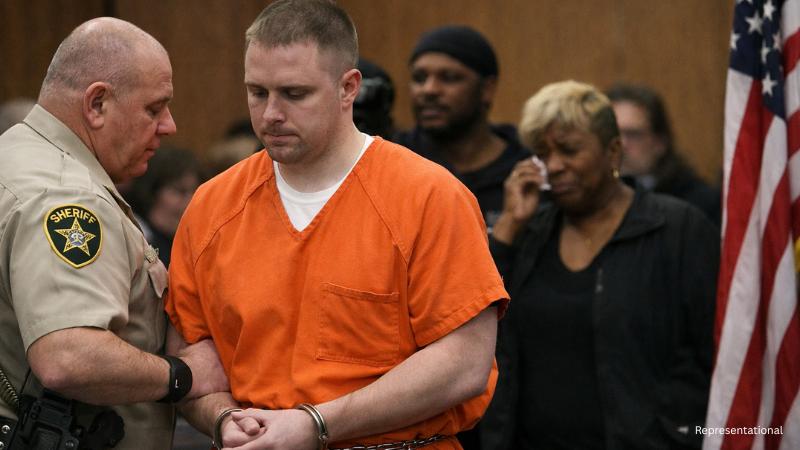
Sean Grayson, 31, was convicted in October in connection with the July 6, 2024, shooting death of Massey. Although Illinois law allowed the possibility of probation in the case, the judge imposed a lengthy prison term. Grayson has remained in custody since his arrest following the incident.
The sentencing hearing was marked by emotional testimony from Massey’s family members, including her parents and two children, who urged the court to impose a sentence they said would honor her life. As the judge announced the prison term, relatives seated in the courtroom reacted audibly, prompting a reprimand from the bench.
Massey’s mother, Donna Massey, told the court that her daughter’s death had deeply shaken her trust in law enforcement. She said the incident left her fearful of calling police for help, even in moments of danger. Family members described Sonya Massey as a caring mother who struggled with mental health challenges but did not pose a deadly threat on the night she was killed.
According to evidence presented at trial, Massey called emergency services in the early morning hours because she believed someone was outside her Springfield residence. Grayson and another deputy, Dawson Farley, responded to the call and searched the area around the home before speaking with Massey at her door. Farley was not charged in the case.
Body camera footage showed Massey appearing confused and distressed during the encounter, repeatedly uttering prayers as the deputies entered her home. Inside the kitchen, Grayson noticed a pot on the stove and directed his partner to move it. Instead, Massey approached the stove herself, picked up the pot, and made a comment that appeared to mock Grayson’s reaction to the hot water.
The situation escalated rapidly. Massey told Grayson, “I rebuke you in the name of Jesus,” after which he drew his weapon and ordered her to drop the pot. Video evidence showed her setting the pot down and crouching behind a counter. Moments later, she appeared to lift it again, and Grayson fired his weapon, striking Massey in the face. She was 36 years old.
Grayson testified that he believed Massey was about to throw scalding water on him, a claim prosecutors challenged during the trial. He was initially charged with three counts of first-degree murder, which could have carried a life sentence. Jurors ultimately convicted him of a lesser offense after concluding that he may have believed he was in danger, even if that belief was unreasonable under the circumstances.
The verdict and sentencing sparked anger and frustration among Massey’s relatives, who said the justice system failed to fully account for her vulnerability and the circumstances of the police response. The case has become a focal point in broader discussions about law enforcement encounters with Black residents inside their homes.
In the wake of the shooting, Sangamon County reached a $10 million settlement with Massey’s family. The case also prompted a federal inquiry that concluded with an agreement requiring expanded de-escalation training, improved tracking of use-of-force incidents, and leadership changes within the sheriff’s office. State lawmakers later approved changes to Illinois law aimed at increasing transparency in the hiring of law enforcement officers, citing the case as a catalyst for reform.