Maha Shivratri is one of the most important festivals for Lord Shiva's devotees, the god of destruction and transformation. While it is celebrated every month, it holds a special place when it falls during the months of Magha or Phalguna in the Hindu calendar. This festival marks the beginning of the summer months and is a time for fasting, prayers, and deep reverence for Lord Shiva. It is a night dedicated to Lord Shiva, filled with rituals, celebrations, and an opportunity to reflect on the divine power of Shiva.
Maha Shivratri, which means "the great night of Lord Shiva," is considered the most auspicious day for Shiva worship. According to legend, it is on this night that Lord Shiva performs the cosmic dance, known as the Tandava. Devotees from India and across the globe observe fasting, prayers, and visit temples, taking part in rituals that honor Shiva's divine energy.
Significance of Maha Shivratri for Devotees
Maha Shivratri holds different meanings for various individuals. For those on a spiritual journey, it is an essential day to deepen their connection with Lord Shiva. For others, it marks Shiva's victory over his enemies and celebrates the divine union of Lord Shiva and Goddess Parvati. Ascetics view this day as the time when Lord Shiva became a yogi, merging with Mount Kailash and becoming the Adi Guru, the first teacher of yogis.
Maha Shivratri Puja Vidhi and Timings (India & US)
The puja for Maha Shivratri is typically performed during Nishtita Kaal, an auspicious period at night. For Maha Shivratri 2026, the date falls on February 15th, 2026, and devotees in both India and the US follow the puja steps outlined below.
India Timings:
In India, the Nishtita Kaal (the most auspicious time for puja) falls around midnight, typically between 12:00 AM to 3:00 AM IST. This is the time when devotees perform the most significant rituals for receiving Lord Shiva's blessings.
US Timings:
In the US, the puja timings will vary depending on the region:
- Eastern Standard Time (EST): 12:00 AM to 3:00 AM EST
- Pacific Standard Time (PST): 12:00 AM to 3:00 AM PST
It is advisable to consult local Hindu temples in your region for the exact puja schedule.
How to Perform the Maha Shivratri Puja:
- Take a bath and wear clean clothes.
- Sit in a peaceful space and meditate to focus on Lord Shiva.
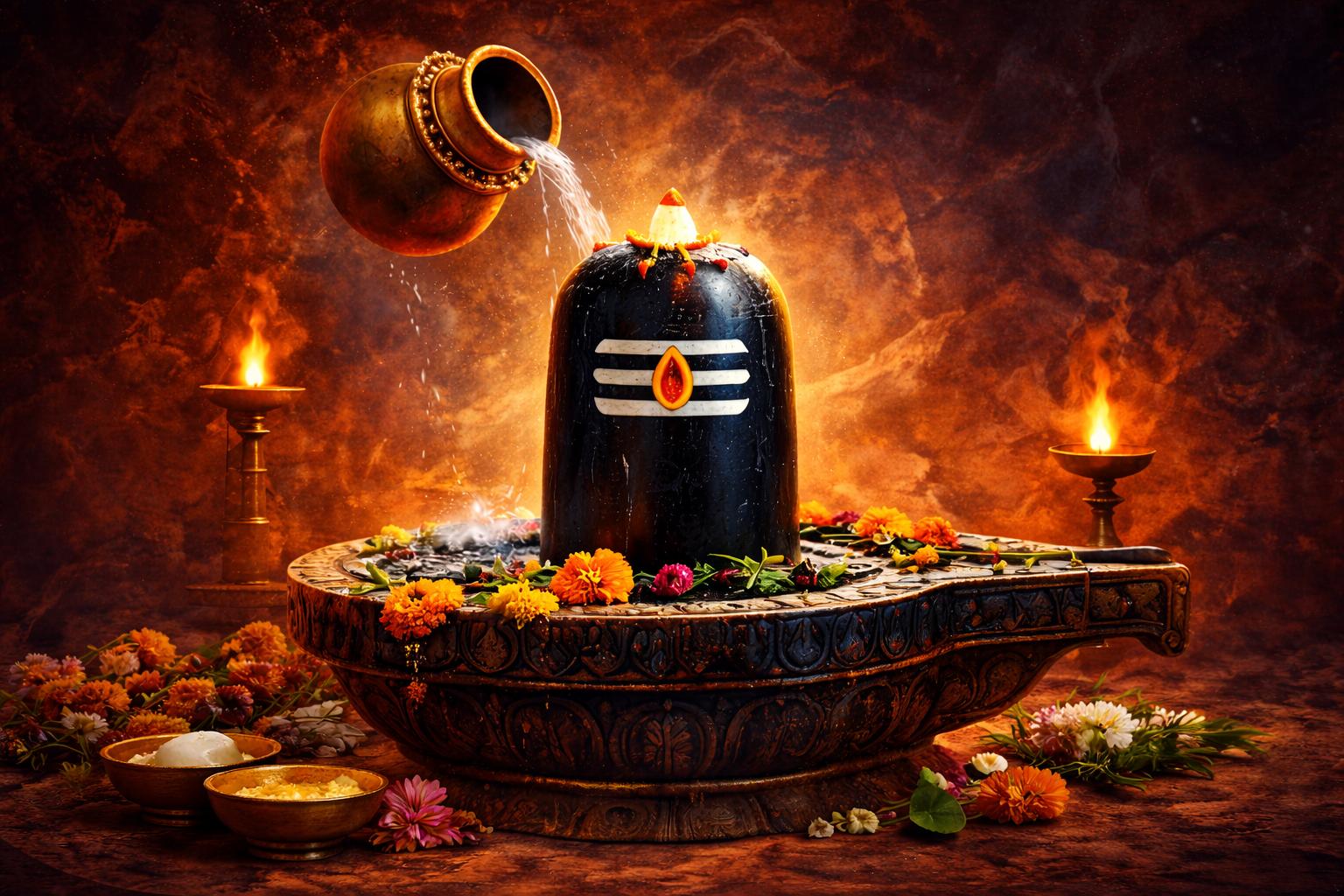
- Place the Shiva Lingam or idol on a wooden platform or chowki and cover it with a fresh white cloth.
- Light an oil lamp next to the idol.
- Offer water to the idol’s feet and perform arghya (water offering).
- Perform achamana by drinking water from your right hand.
- Offer Ganga water, milk, curd, and honey to the idol.
- Dress the idol in clean clothes and offer a sacred thread (kalava), rice, and flowers.
- Light incense sticks or dhoop.
- Offer a satvic meal (prepared without onion and garlic) as bhog.
- Perform parikrama (circumambulate) around the idol.
- End with aarti and offer flowers.
10 Powerful Lord Shiva Mantras for Maha Shivratri
Here are 10 powerful mantras to chant during Maha Shivratri to invoke Lord Shiva's blessings:
- Maha Mrityunjaya Mantra – A prayer for protection from untimely death.
- Panchakshara Shiva Mantra – "Om Namah Shivaya" meaning "I bow to Shiva."
- Rudra Gayatri Mantra – A prayer for guidance and enlightenment.
- Shiva Shadakshara Mantra – A mantra praising Shiva’s supreme energy.
- Lingashtakam Mantra – A hymn dedicated to the Shiva Lingam.
- Shiva Dhyana Mantra – A mantra for seeking forgiveness and purification.
- Shiva Anushtup Mantra – A mantra for invoking Shiva’s compassion and peace.
- Chandrashekhara Mantra – A mantra honoring Shiva as the one adorned with the moon.
- Kalabhairava Mantra – A mantra for protection and removing negativity.
- Shiv Chalisa Mantra – A hymn of praise to Lord Shiva.
Rituals of Maha Shivratri
On this day, devotees fast and pray, observing different rituals. Women pray for the longevity of their husbands, while unmarried women pray for a husband like Lord Shiva. People visit temples, especially famous ones like Kaashi Vishwanath and Somnath, to offer water and milk to the Shiva Lingam. In the US, devotees also visit local temples and offer flowers, fruits, and prayers.
Bel Patra (leaves) and Dhatura are considered sacred offerings to Lord Shiva. Devotees also apply three horizontal lines on their foreheads as a symbol of purity and to honor Shiva.
Astrological Significance of Maha Shivratri
According to astrology, Maha Shivratri falls on the 14th day of Krishna Paksha when the moon’s influence is weaker. This makes it an ideal time to strengthen the moon's position in one’s birth chart through worship of Lord Shiva. The day is believed to enhance mental strength, willpower, and endurance.
Legends of Maha Shivratri
The legend of Maha Shivratri involves a dispute between Lord Brahma and Lord Vishnu to prove their supremacy. To resolve the conflict, Lord Shiva appeared as a column of light and challenged both gods to find its source. Vishnu accepted defeat, but Brahma lied, leading Lord Shiva to cut off one of Brahma’s heads, symbolizing the eradication of falsehood.
Maha Shivratri is a time for worship, reflection, and spiritual growth. It is a day to celebrate Lord Shiva’s cosmic presence and seek his blessings for strength, peace, and the courage to face life’s challenges. Whether in India or the US, this day brings together people of all backgrounds in devotion and reverence for Lord Shiva.