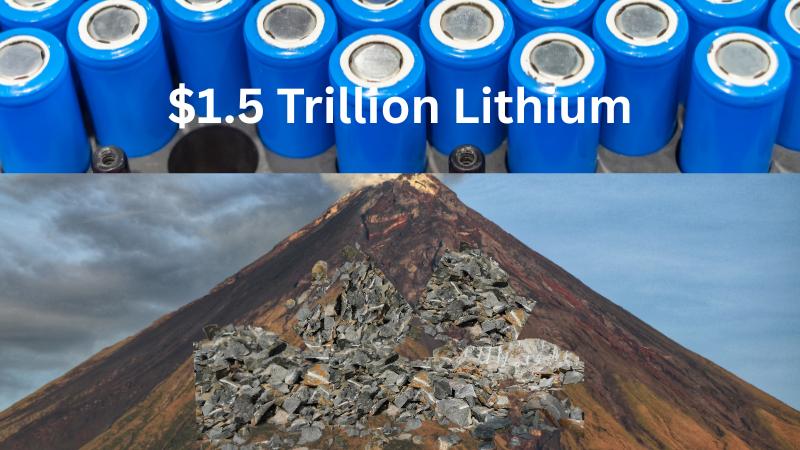
The site, located within a caldera formed by volcanic eruptions around 16 million years ago, lies in a rugged semi-arid region that serves as habitat for species such as pronghorn antelope and sage-grouse. The area’s fragile environment and its deep cultural significance to indigenous tribes have prompted heated debates over the future of the discovery. While some experts and industry leaders see a potential game-changer in America's quest to secure a domestic supply of battery materials, others caution that rushing into extraction without proper oversight could do irreversible damage.
Geologists highlight that the lithium is embedded in claystone—a different type of deposit compared to the salt brine fields found in South America. Extracting lithium from claystone requires more complex processes such as acid leaching, raising concerns about waste management, water usage, and possible contamination. Early environmental assessments have already flagged risks, including airborne dust, vehicle emissions, and leaching of industrial byproducts into nearby groundwater.
A proposal from a mineral exploration company seeks permission to build access roads and install hundreds of exploratory wells across Malheur County in eastern Oregon. The federal agency overseeing public lands briefly opened a comment period on the proposal, prompting criticism from conservation groups who argue that the window was too short to properly assess long-term impacts. Groups advocating for clean energy alternatives express concern that fast-tracked projects could come at the expense of ecosystems and historically significant lands.
Locals are divided. Some residents view the lithium find as an economic lifeline for one of Oregon’s most impoverished counties. They envision new job opportunities and increased investment in public infrastructure. Others are wary, fearing that industrial-scale mining could disrupt wildlife migration paths, degrade already-scarce water resources, and leave communities to deal with pollution long after mining operations wind down.
Officials from the county’s economic development office emphasize the importance of doing things “the Oregon way,” calling for transparency, community involvement, and environmental accountability. This balanced approach, they argue, is essential to ensuring that the benefits of resource extraction are shared and its harms minimized.
Environmental advocates, however, say that strong assurances are not always backed by action. They point to similar disputes in neighboring Nevada, where lithium projects have led to court challenges and resistance from tribal communities and environmental watchdogs. The proximity of the caldera to sacred sites and culturally important landscapes raises additional concerns about how consultation with indigenous groups is conducted.
Scientific studies have confirmed the presence of high lithium concentrations in the clay-rich sediments, making the site a focal point of global interest. If processing techniques prove efficient and environmentally sound, the United States could become a major global supplier of lithium, reducing dependence on imports and enhancing energy security. But that potential comes with trade-offs that many rural communities are being asked to weigh quickly and, in some cases, without what they consider to be sufficient input.
Opponents of rapid development point to the ecological sensitivity of the area, especially given the ongoing decline in sage-grouse populations and the importance of maintaining natural habitats. They also warn about past incidents where large-scale extraction in arid regions led to falling water tables, which can devastate both ecosystems and local agriculture. Although proponents argue that modern technologies and stricter regulations can mitigate these impacts, trust remains a central issue.
The growing demand for electric vehicles and renewable power storage is pushing governments and companies to ramp up domestic mineral production. This lithium find could help the U.S. compete globally and reduce reliance on politically sensitive foreign supply chains. Still, some experts argue that alternative strategies—like battery recycling or developing substitute materials—should also be considered to ease the environmental burden.
As proposals move forward, the debate continues over how to balance the promise of clean energy with the responsibility to protect cultural heritage and the environment. Whether this lithium-rich caldera becomes a symbol of sustainable innovation or another flashpoint in the struggle over natural resources depends largely on how stakeholders navigate the complex challenges ahead. While investors remain optimistic about lithium’s role in the energy transition, communities near the deposit are demanding a say in decisions that could shape their landscape for generations.