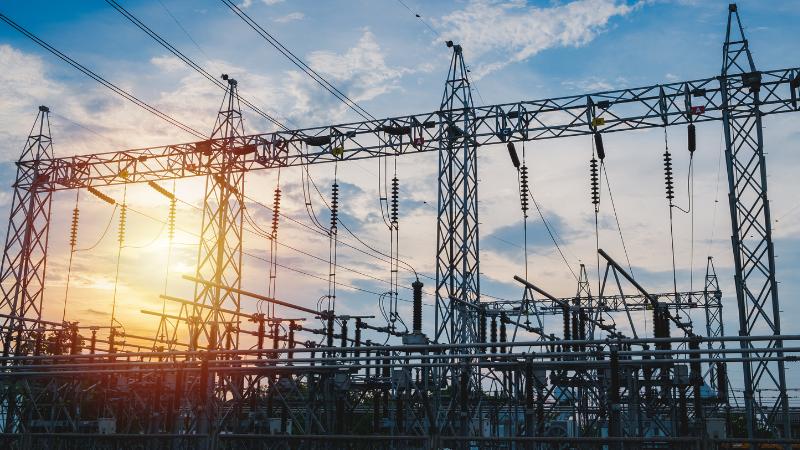
As the new month begins, New Jersey residents are grappling with a noticeable rise in their electricity bills. Utility rates have increased by 17 to 20 percent depending on the electric provider, a change affecting thousands of households statewide. Customers of the four main electric companies—PSE&G, JCP&L, Atlantic City Electric, and Rockland Electric Company—are all impacted by the price revision, which was set into motion following the state's annual electricity auction.
The average residential customer is now expected to pay an additional $22 to $28 per month, placing more pressure on households already dealing with the growing cost of living. The increase was previously announced, but the actual financial burden is now being felt by consumers. Many are questioning the timing and scale of the hike, especially when alternative energy adoption is on the rise.
Some New Jersey residents have turned to solar energy in hopes of offsetting rising costs. For instance, Mark Gabriel of West Orange recently installed solar panels to counterbalance the utility rate hike. While he welcomes the shift toward renewable energy, he voiced concern over the steep price jump, stating that such sudden increases place strain not only on homeowners but also on landlords, who may pass on the extra expense to tenants. Similarly, Apoorva Mehra of South Orange acknowledged the potential long-term benefits of renewables but hoped for a more measured transition, one that keeps affordability in mind.
Not all residents have access to solar power, even if they are willing to make the switch. Jen Warren, a Maplewood resident, noted the limitations of her property. Due to the shading and lack of direct sunlight in her area, solar panels are not a feasible option. Her concerns reflect a broader issue: while renewable energy adoption is often touted as a solution, it's not universally accessible or affordable in the short term.
The cause of the hike, according to utility authorities, lies in a classic supply and demand dilemma. As energy consumption rises, power generation struggles to keep pace. This gap results in higher procurement costs for providers, which are then passed on to the end users. Although the electricity auction system is designed to ensure long-term stability in pricing, it sometimes results in abrupt increases, especially when market volatility or infrastructural constraints are at play.
Despite the promise of cleaner and potentially cheaper energy solutions in the future, many residents feel the current situation is a burden they were unprepared for. Energy officials argue that this transition phase is necessary to build a more sustainable grid, and while renewable energy sources may eventually stabilize or even lower costs, the road there will require patience and adaptation from both providers and consumers.
The latest rate hikes have reignited conversations about energy reform in New Jersey, especially with growing public interest in green solutions. Policy advocates are calling for more state-level incentives and infrastructure investments that make solar energy and other renewables accessible to more residents. They argue that encouraging broader adoption could help reduce dependence on the fluctuating traditional grid and protect consumers from future rate shocks.
Until such systemic changes are made, however, households across the state must adjust their budgets to accommodate this latest increase in utility expenses. Whether by reducing energy usage, investing in solar solutions, or simply absorbing the higher monthly bills, consumers are being pushed to reassess how they power their homes in an increasingly unpredictable energy landscape.