- globetrotter
- 30 Aug 2025
- #Visa & Immigration #BrandonJohnson #ChicagoImmigration #FederalEnforcement #ICE #TrumpAdministration #SanctuaryCities #NationalGuard #ImmigrationReform #FamilyPreparednessCampaign #ImmigrantRights #PublicSafety #ImmigrationCrackdown #JBPritzker #ChicagoPolitics #ImmigrationPolicy
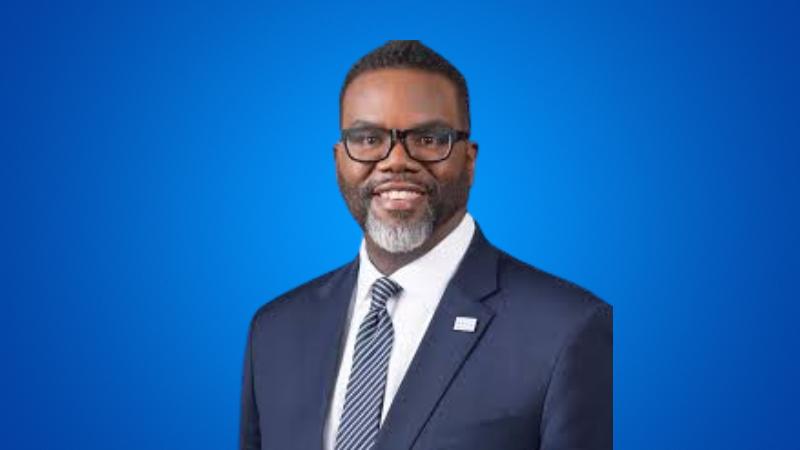
Chicago Mayor Brandon Johnson signed an executive order on Saturday addressing the growing concern over federal immigration enforcement and President Donald Trump’s threat to deploy the National Guard as part of an expanded crackdown on crime. This move follows reports from federal officials who say that ICE, Border Patrol, and other agencies will soon send numerous agents and equipment to the city with the aim of increasing arrests of undocumented immigrants. According to sources, the operation could begin as early as next week, setting the stage for what some see as an aggressive shift in federal immigration policy.
The operations are expected to be based out of Naval Station Great Lakes, with over 200 federal agents and more than 100 vehicles involved, as reported by sources familiar with the situation. While the full scope of the operation is still unclear, the plan includes a heightened focus on sanctuary cities that have been resistant to cooperating with federal immigration enforcement, like Chicago. The details remain murky, especially regarding whether or not the National Guard will be deployed as part of the federal effort, as hinted by previous statements from federal officials.
Tom Homan, former Border Czar under the Trump administration, explained that the increased federal push for immigration enforcement was a direct response to the actions of Chicago’s leadership and that of Illinois Governor J.B. Pritzker. “All these sanctuary cities that refuse to work with ICE, where we know public safety threats are being released every day into this country — especially those cities — we’re going to address that,” Homan remarked. He pointed out that states like Texas and Florida, where law enforcement works in close cooperation with ICE, do not face the same issues.
In response to the escalating federal actions, Mayor Johnson expressed deep concern over the potential consequences for Chicagoans, especially immigrants. The mayor called the increase in immigration enforcement “deeply concerning,” and underscored that the city had been proactive in preparing for the possible disruption these operations could cause. To assist families, the city developed a "Family Preparedness Campaign," aimed at helping individuals plan for potential separation from family members. The campaign includes resources such as guidance on how to talk to family members, what critical documents to gather, and how to seek assistance from immigrant advocacy organizations, consulates, and Congress.
Mayor Johnson was clear in his condemnation of the federal government’s approach, asserting that such actions would not benefit the community. “We reject any attempts to put Chicagoans in danger as a means of furthering the president’s political ends,” Johnson said in his statement. He further added, “Sending in militarized immigration enforcement will only cause chaos and fear in our communities,” emphasizing that this strategy would only escalate tensions rather than resolve any issues.
The situation has sparked widespread concern across the city’s immigrant communities, many of which are fearful of the potential impact that a heightened law enforcement presence could have on their daily lives. Advocates for immigrants and civil rights groups have warned that aggressive immigration enforcement tactics not only increase fear and anxiety but also undermine the trust between communities and law enforcement.
Chicago’s position as a sanctuary city has long placed it at odds with the federal government’s stance on immigration enforcement. Under the leadership of Mayor Johnson and Governor Pritzker, the state of Illinois has pursued policies aimed at protecting undocumented immigrants and providing sanctuary from federal immigration actions. This has led to clashes with the Trump administration, which has been vocal in its criticisms of sanctuary cities and their reluctance to cooperate with ICE.
While the city braces for possible federal action, local immigrant advocacy groups are preparing to assist affected families. The Family Preparedness Campaign launched by the city is a key component in helping individuals navigate what could be a tumultuous period. The hope is that by providing essential information and resources, Chicago’s immigrant communities will be better equipped to handle potential disruptions in their lives.
The federal government’s planned actions are also part of a broader national discussion about immigration policies. As the debate continues to unfold, Chicago’s response is likely to set the tone for how other sanctuary cities address similar threats. Mayor Johnson’s executive order highlights the city’s commitment to protecting its residents, but it also underscores the ongoing tension between local and federal authorities when it comes to immigration enforcement.
In conclusion, the decision by Mayor Johnson to sign an executive order in response to the federal immigration crackdown is a significant development for both Chicago and the wider national debate on immigration. The city’s Family Preparedness Campaign demonstrates its proactive approach to protecting its immigrant communities, but concerns remain about the broader consequences of federal enforcement actions. With heightened enforcement looming and the possibility of National Guard deployment still on the table, Chicago’s response will likely serve as a critical moment in the ongoing fight over sanctuary city policies and federal immigration reform.