India has begun rolling out its next generation of e-passports equipped with advanced digital and physical security layers designed to strengthen identity verification and eliminate fraud. The upgraded system is part of Passport Seva Programme 2.0, which introduces new standards in passport security, digital integration, and citizen services. All new passports issued henceforth will be e-passports, while existing non-electronic passports will continue to remain valid until their expiry, with the government targeting a full transition by June 2035.
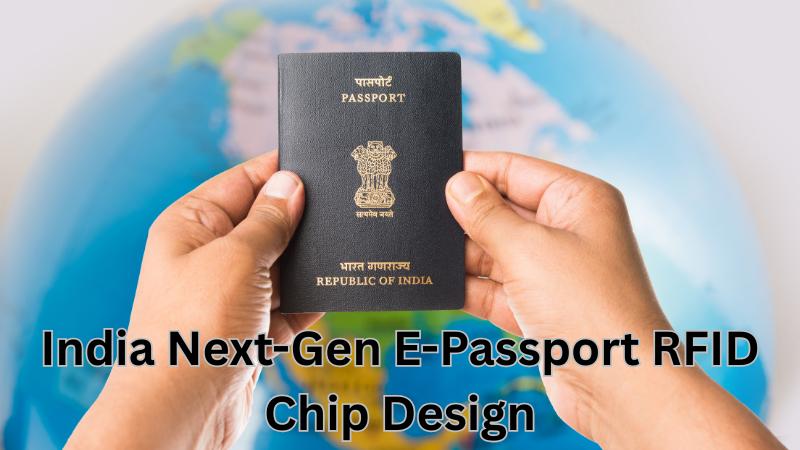
The new e-passports carry a secure Radio Frequency Identification (RFID) chip and antenna embedded inside the back cover. This chip stores encrypted biometric and personal information, including photographs and fingerprints, in a digitally signed format that complies with International Civil Aviation Organisation (ICAO) guidelines. Additional design enhancements such as interlocking microletters and relief tints make tampering or counterfeiting extremely difficult. The contactless data-reading capability enables faster, more reliable authentication at immigration counters, reducing physical wear and cutting down processing times.
So far, more than 80 lakh e-passports have been issued within India and over 60,000 by Indian missions abroad. Senior MEA officials noted that the new system will significantly curb passport fraud by verifying applicants' biometric data against a central database, immediately flagging duplicate identities or multiple passport attempts.
The upgraded Passport Seva Programme Version 2.0 (PSP V2.0), operational since May 2025, now spans 37 Regional Passport Offices, 93 Passport Seva Kendras, and 451 Post Office Passport Seva Kendras. Its global counterpart, GPSP V2.0, launched in October 2025, enhances services at Indian missions overseas. The platform integrates AI-driven chatbots and voice bots for application support, grievance handling, and automated form-filling. It allows online document uploads, UPI and QR-code payments, and offers strong biometric and facial recognition tools backed by AI-based alerts and analytics.
The system is linked with DigiLocker, Aadhaar, and PAN databases for seamless document verification. Other additions include Robotic Process Automation for validation checks, touchscreen feedback systems, electronic signature pads, and real-time MIS dashboards. With three dedicated data centres in Noida, Chennai, and Bengaluru, the updated architecture ensures secure data processing and robust cyber defence.
To improve accessibility, Mobile Passport Seva Vans have been deployed across all 37 RPOs to serve remote regions. Out of 543 Lok Sabha constituencies, only 32 remain without a Passport Seva Kendra or POPSK, and authorities plan to cover these within the next six months. With over 15 million passports issued annually, the government says these reforms will deliver faster, safer, and more citizen-friendly passport services while elevating India’s global travel infrastructure.