- devara
- 18 Dec 2025
- #Global News #pakistan #imf #condoms #gst #population #bailout #economy #birthcontrol
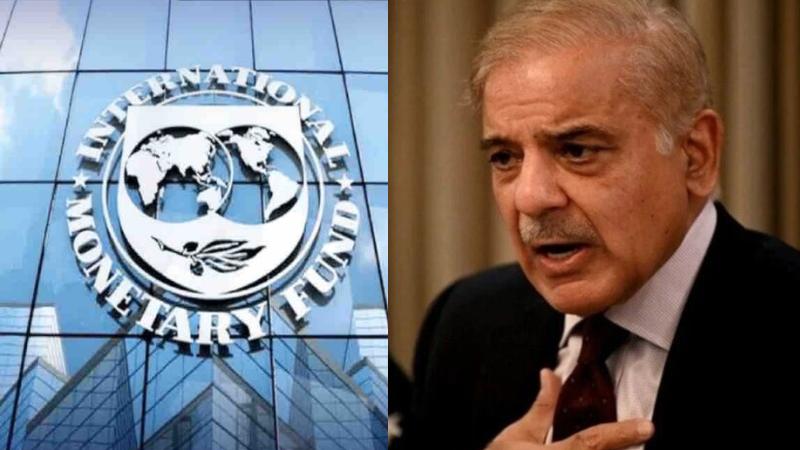
Pakistan’s request to reduce the 18 percent GST on condoms and other contraceptives has been rejected by the International Monetary Fund, leaving the government unable to make birth-control products cheaper in a period of rising population and financial pressure. Prime Minister Shehbaz Sharif had asked the Federal Board of Revenue to approach the IMF for immediate approval to remove the tax, but the lender made it clear that such changes cannot be made mid-year and may only be considered during the next national budget cycle.
Pakistan remains heavily dependent on IMF loans tied to strict economic reform conditions. The country is currently operating under multiple IMF-linked financing arrangements, including the Extended Fund Facility and the Resilience and Sustainability Facility, aimed at stabilising growth, improving revenue collection, and strengthening climate resilience. With disbursements already underway, Islamabad faces pressure to comply with all financial rules to avoid risking future bailout support.
Officials estimate that removing GST on condoms alone would cost the state around Rs 400–600 million, a loss the IMF considers unacceptable while Pakistan works toward its revised tax revenue goals. Proposals to cut GST on sanitary pads and baby diapers were rejected as well, with warnings that exemptions may complicate enforcement and encourage smuggling.
Pakistan’s population growth rate remains among the world’s highest, and public health experts fear that costly contraceptives may weaken family planning efforts. The growing demand for basic services such as healthcare and education is already challenging government capacity.
Pakistan is also moving ahead with plans to privatise its struggling national carrier, Pakistan International Airlines. The airline’s sale is a key condition for IMF support and has attracted interest from multiple bidders seeking managerial control. The government is considering a full 100 percent divestment to meet IMF expectations and reduce fiscal burden. For ordinary Pakistanis, the IMF decision means birth-control supplies are likely to remain costly for now, even as economic pressures and population needs continue to rise.