Political background and earlier opposition
The earlier attempt by the NDA government to move forward with delimitation reforms met with significant political resistance. Several opposition parties raised concerns about its potential impact on regional representation, especially for southern states that have historically maintained lower population growth compared to northern regions. Critics argued that a straight population-based seat revision could lead to a reduction in proportional influence for states that have successfully implemented population control measures.
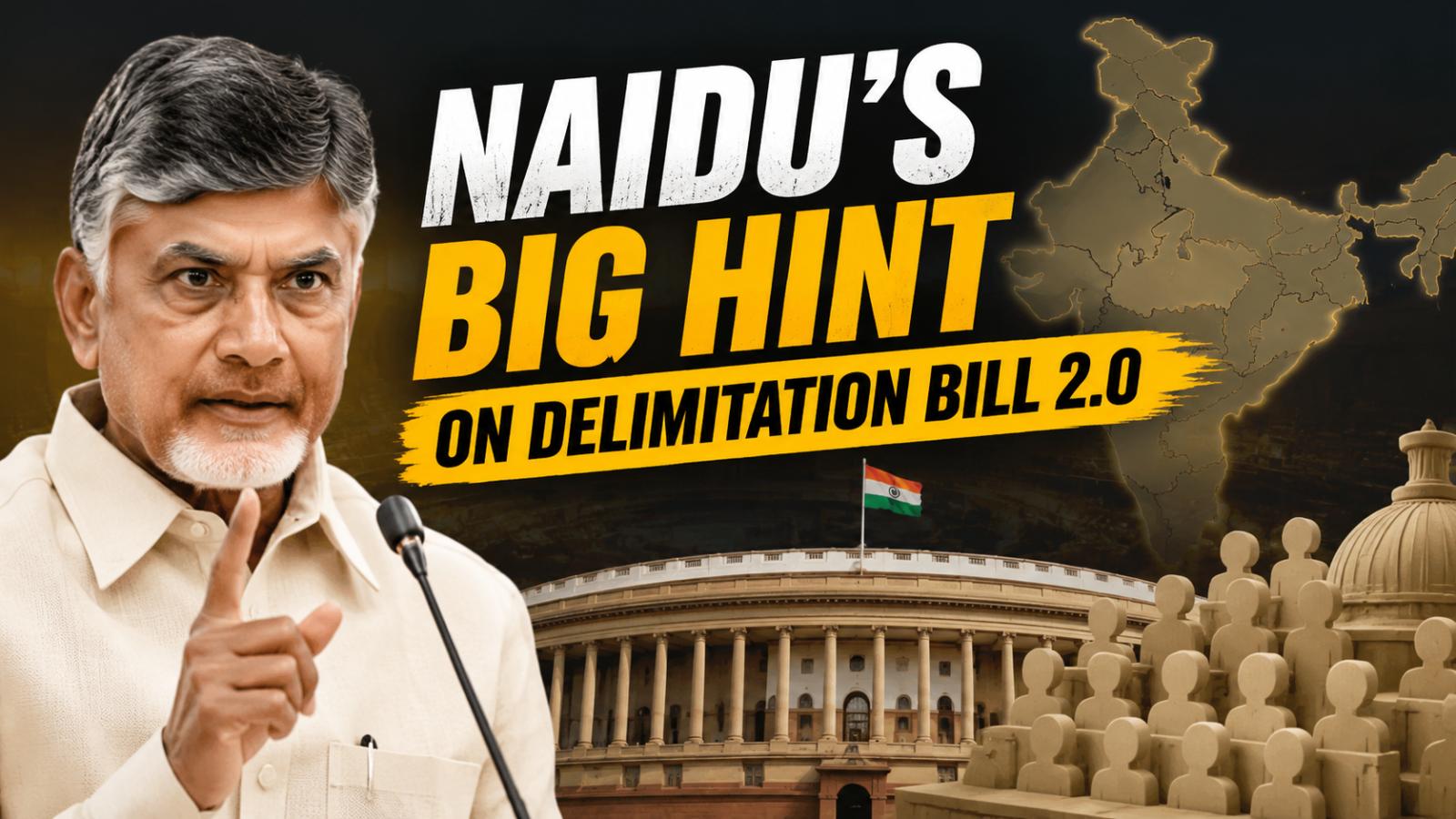
Within this context, Naidu’s statement has added a new layer of political discussion. His suggestion that a revised bill may return to Parliament indicates that the government has not abandoned the idea but is instead reworking its structure to make it more acceptable across regions. The proposal is expected to include proportional adjustments across states rather than abrupt redistributions that could disrupt the existing balance of representation.
Key features expected in revised proposal
According to the emerging outline, the revised delimitation framework may include up to a 50 percent proportional increase in Assembly and Parliament seats across all states. This would significantly expand the total number of seats in the Lok Sabha, potentially increasing it from the current 543 to nearly 850. Such a large-scale expansion would be one of the most significant structural changes in India’s parliamentary history.
Another important aspect being discussed is the inclusion of women’s reservation within the same framework. This suggests that the government may attempt to integrate multiple constitutional and electoral reforms into a single legislative push. If implemented, it could reshape not only state-level representation but also the gender balance within legislative bodies.
However, the proposal continues to face political sensitivity. Southern states have consistently expressed concerns that population-based seat redistribution would disproportionately benefit northern states, thereby reducing their relative political influence. This tension between demographic weight and federal balance remains at the core of the debate.
Political implications and future outlook
The potential expansion of parliamentary seats and reallocation of representation carries deep political implications for India’s federal structure. If the revised bill is introduced successfully, it could alter the dynamics of national elections, party strategies, and regional alliances. States with higher population growth could gain increased representation, while others fear dilution of their existing political strength.
The evolving position of different states also plays a key role in shaping the future of this proposal. Political analysts suggest that shifts in electoral outcomes in key states such as Tamil Nadu and West Bengal may influence the broader consensus on delimitation reforms. A more favorable political environment could make it easier for the NDA government to reintroduce and pass the bill in Parliament.
At the same time, the debate highlights the long-standing challenge of balancing equality of representation with equitable federal distribution. As discussions progress, the revised Delimitation Bill 2.0 is expected to remain a major topic in national politics, with both supporters and critics closely watching its development and potential rollout.