Parenting is about keeping children safe and helping them grow, but when protection turns into overprotection, it can have unintended consequences. While being cautious is natural, constantly shielding children from challenges or discomfort may contribute to higher levels of anxiety. Understanding the connection between overprotective parenting and childhood anxiety helps parents find a healthier balance between care and independence.
What Is Overprotective Parenting?
Overprotective parenting occurs when caregivers try to control or prevent every possible risk in a child’s life. This might include making decisions on their behalf, limiting exploration, or stepping in too quickly to solve problems. While the intention is rooted in love and concern, the long-term impact can restrict a child’s confidence and independence.
How Overprotection Fuels Anxiety
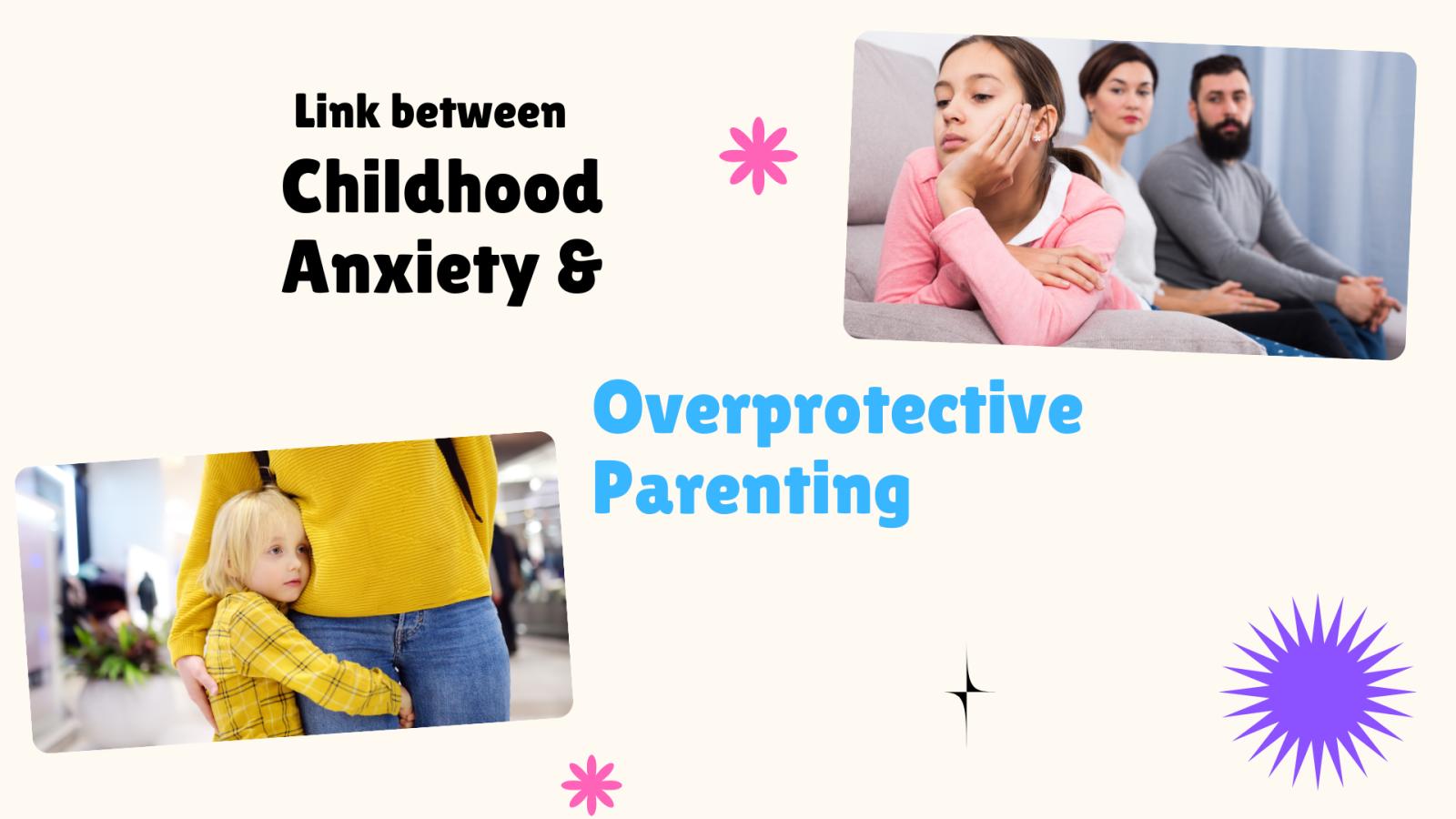
Children learn to manage stress and fear by experiencing small challenges and overcoming them. When parents constantly step in, children may begin to doubt their own abilities. This can create feelings of helplessness and increase anxiety in everyday situations, from making friends to handling schoolwork.
The Role of Fear in Parenting
Many overprotective behaviors are driven by a parent’s own fears—whether of accidents, failure, or judgment from others. While these fears are understandable, they can unintentionally teach children that the world is unsafe, leading to higher sensitivity and worry.
Signs Your Child May Be Struggling
Children of overprotective parents may show signs of anxiety such as reluctance to try new things, fear of being away from parents, or excessive worry about mistakes. These behaviors are signals that they may need more opportunities to build resilience and independence.
Finding the Right Balance
Parents can protect their children while also giving them room to grow. Allowing kids to take age-appropriate risks, solve problems on their own, and learn from mistakes fosters confidence. Encouraging open communication and providing reassurance without controlling every step helps children feel supported yet independent.
Supporting Children Toward Confidence
Simple steps like giving children choices, praising effort rather than perfection, and gradually increasing responsibility build emotional strength. Parents can also model calm problem-solving, showing that setbacks are part of learning. If anxiety becomes overwhelming, professional guidance from a counselor or therapist can help.
Protection Without Limitation
Protecting children is natural, but overprotection can unintentionally feed childhood anxiety. By striking a balance between safety and independence, parents can raise children who feel secure, confident, and capable of facing life’s challenges with resilience.