Kerala is grappling with a serious public health concern after confirming 67 cases of brain-eating amoeba infection, scientifically known as amoebic meningoencephalitis, in 2025. The rare but often fatal disease has already claimed 18 lives this year, according to updated data released under the Integrated Disease Surveillance Programme on September 14. The latest case involves a 17-year-old boy from Thiruvananthapuram, who was diagnosed after visiting the swimming pool at Akkulam Tourist Village. Authorities quickly shut down the pool and collected water samples for testing.
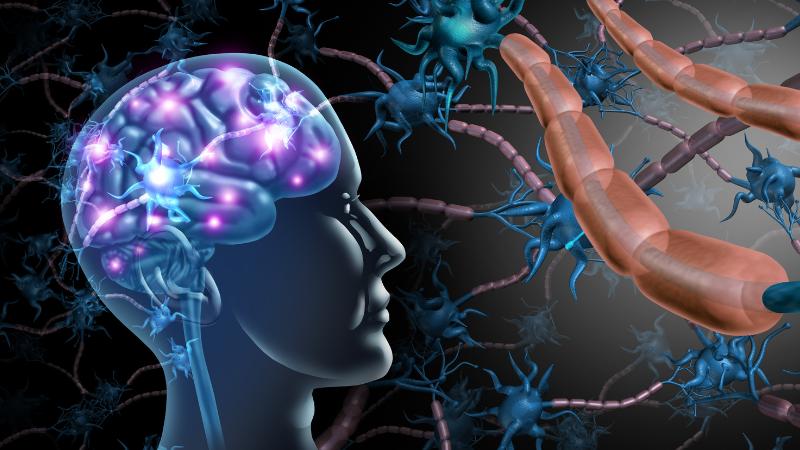
The infection is caused by Naegleria fowleri, a free-living amoeba that thrives in warm freshwater environments like rivers, lakes, ponds, and poorly maintained swimming pools. The amoeba typically enters the body through the nose, often while swimming or bathing, and travels to the brain, leading to severe inflammation and rapid deterioration. Fatality rates remain extremely high, with only a handful of patients worldwide reported to have survived.
Health Minister Veena George has called for urgent vigilance and preventive measures across the state. She stressed the importance of avoiding bathing or washing in stagnant or polluted water sources, including ponds where cattle are cleaned. The minister emphasized that wells must be scientifically chlorinated, swimming pools should be properly maintained, and clear documentation of maintenance must be kept by park authorities. At the household level, she urged families to clean water storage containers regularly and take care to prevent water from entering the nose while bathing.
Recent fatalities highlight the seriousness of the threat, with victims including a 56-year-old woman from Malappuram and a 45-year-old man from Wayanad. Both were under treatment at Kozhikode Medical College Hospital but could not be saved. Officials fear that the spread may worsen if water safety is not strictly enforced, especially during Kerala’s humid and warm months when the amoeba thrives.
The health department is also working to raise public awareness, encouraging people to seek immediate medical care if they experience symptoms like severe headache, fever, vomiting, or sudden behavioral changes after swimming or bathing in freshwater. Experts say early detection and aggressive treatment are the only ways to improve survival chances, though the prognosis remains poor in most cases. Kerala’s ongoing battle with amoebic meningoencephalitis underscores the urgent need for stricter water hygiene practices, timely interventions, and public cooperation. Authorities remain on high alert to prevent further spread of this deadly infection.