The closure comes amid escalating tensions between the two nations following India’s precision military operation on May 7, dubbed Operation Sindoor. In the early hours of that day, Indian armed forces carried out targeted strikes on nine identified terrorist camps and launchpads located across the Pakistan-occupied Kashmir (PoK) region and inside Pakistan territory. These strikes were launched as a direct response to the April 22 terrorist attack in Pahalgam, where 26 civilians lost their lives in a brutal assault allegedly orchestrated by Pakistan-based terror outfits. In retaliation, Pakistan carried out shelling operations along the border, further worsening the standoff.
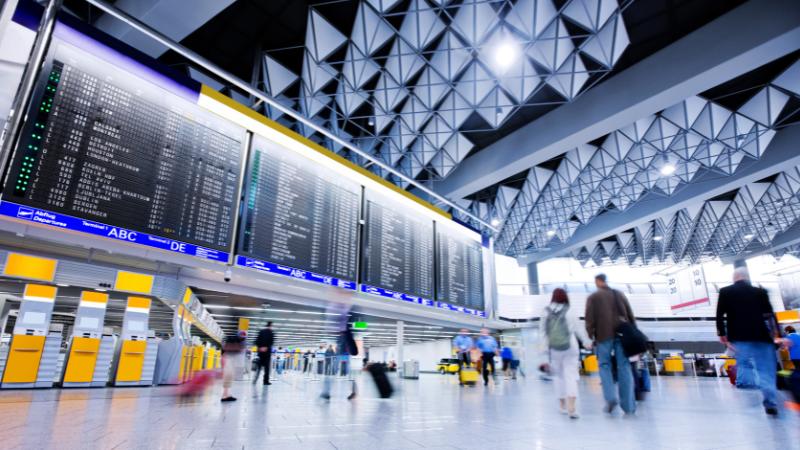
The civil aviation ministry’s decision to shut these airports reflects the need for operational readiness and the safety of civilian air traffic during a period of elevated military activity. These airports are primarily situated in states and union territories that border Pakistan or are home to key Indian Air Force and Army establishments. The closure is intended to avoid any interference with ongoing defense logistics and operations. While such restrictions have occurred in the past during conflict periods, the scale and duration of the current shutdown underscore the gravity of the situation and the strategic importance of the airspace in conflict management.
The affected airports include Adhampur, Ambala, Amritsar, Awantipur, Bathinda, Bhuj, Bikaner, Chandigarh, Halwara, Hindon, Jaisalmer, Jammu, Jamnagar, Jodhpur, Kandla, Kangra (Gaggal), Keshod, Kishangarh, Kullu Manali (Bhuntar), Leh, Ludhiana, Mundra, Naliya, Pathankot, Patiala, Porbandar, Rajkot (Hirasar), Sarsawa, Shimla, Srinagar, Thoise, and Uttarlai. These airports serve not only domestic passenger routes but also play a role in managing strategic airlift capabilities and logistical support in times of heightened alert.
According to officials familiar with the matter, the restriction may be subject to further review depending on the evolving security situation and military assessment over the coming days. Civil aviation authorities are working closely with the armed forces to ensure coordination between airspace usage for defense and civilian purposes once normalcy is restored. The Ministry of Civil Aviation has assured that all necessary measures have been taken to inform airlines, redirect flight schedules, and minimize passenger disruption as much as possible under the circumstances.
The government’s invocation of Operation Sindoor signals a robust and integrated response to cross-border terrorism. While the military front remains active with counter-terror operations, the civil aviation response shows how national infrastructure is being rapidly adapted to support defense objectives and maintain internal safety. The extension of the flight ban till May 15 serves as a reminder of the strategic complexity at play and the seriousness with which India is treating the ongoing hostilities. For travelers, the disruption may be temporary, but for the defense establishment, these steps are a vital component of India’s larger tactical positioning in the region.
As the situation continues to unfold, updates from both the Ministry of Defence and Civil Aviation will guide any further changes in flight operations. For now, India’s airspace near conflict zones remains firmly under strategic control, with civilian convenience taking a back seat to national security.