Washington’s dining and nightlife industry has found itself at the center of two simultaneous stories this August. On one hand, restaurant and bar owners have reported steep drops in attendance and reservations in the first week of the federal government’s takeover of the District’s police force. On the other, the city’s popular Summer Restaurant Week kicked off with strong numbers, bringing a nearly 30 percent boost in reservations compared to last year and offering a welcome lifeline to struggling businesses.
August is traditionally a difficult month for the restaurant industry in the capital, as Congress is in recess and fewer visitors come into the city. This year, the challenges have been compounded by public safety concerns and the unprecedented federalization of the Metropolitan Police Department, announced by President Donald Trump. The move, justified by the administration as a response to what it called rising crime in the District, led to a surge of federal agents patrolling high-traffic areas, establishing checkpoints, and conducting arrests. Federal officials reported more than 400 arrests in the first week alone, including dozens of firearms cases and outstanding warrants.
Restaurant and bar owners, however, say the heavy presence of federal law enforcement has had an immediate and chilling effect on nightlife and dining activity. Reservations, which were already slower than average for the month, dropped sharply. Data from reservation platforms confirmed that dining activity was down roughly 24 percent year-over-year during the week following the takeover. Owners of bars along U Street and in Adams Morgan described their neighborhoods as unusually quiet, with some reporting record low sales despite being located in typically lively nightlife corridors. One business owner described the first Friday of the federalization period as the worst in their history, with losses totaling more than $15,000 in a single night.
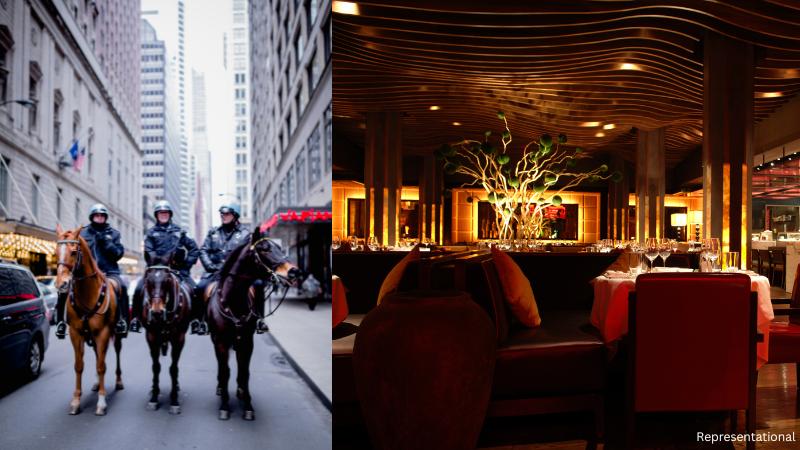
Scenes of increased federal patrols, vehicle checkpoints, and visible Homeland Security and FBI presence in nightlife districts contributed to the perception of a tense environment. Business operators reported that potential customers were deterred from visiting busy entertainment corridors, with some describing their streets as ghost towns. The effect was most pronounced in areas where nightlife is normally robust, raising alarms among owners who fear the long-term consequences of lost revenue during an already challenging month.
At the same time, the start of Summer Restaurant Week offered a much-needed boost. Organized annually by the Restaurant Association of Metropolitan Washington, the event is designed to bring customers into dining rooms during August’s slow period. This year, more than 350 restaurants signed up to participate, offering fixed-price brunch, lunch, and dinner specials at price points intended to attract a broad range of diners. The response was immediate: on the first day, reservations jumped 29 percent compared to the same date last year, which marked a strong start to the week.
Industry leaders expressed cautious optimism, noting that while the federalization has clearly had an effect on business, the strong turnout for Restaurant Week suggests that diners are still willing to come out and support local establishments. The association emphasized that the city remains open for business and highlighted the resilience of both restaurants and diners in adapting to challenging circumstances. Restaurant Week, they noted, was created for moments like this, to reinvigorate the dining scene and provide economic support to operators during slow periods.
The debate over what is driving the drop in reservations remains politically charged. White House officials argued that the decline was overstated, pointing out that last year’s Restaurant Week began later in August, making direct comparisons difficult. They characterized some of the claims of economic damage as misleading and suggested that increased law enforcement presence has actually made some diners feel safer. President Trump himself credited the takeover for drawing back patrons who had avoided the city due to safety concerns, stating that restaurants had become busier than they had been in years.
Restaurant owners, however, remain unconvinced, pointing to specific nights where sales plummeted and customers stayed away from areas where checkpoints and patrols were most visible. Some described the impact as the worst downturn since the pandemic, underscoring the delicate balance between maintaining public safety and preserving a welcoming atmosphere for nightlife and dining.
As the week continues, restaurant owners are hoping that the momentum from Restaurant Week carries forward, helping offset some of the financial losses sustained in early August. With hundreds of restaurants offering curated menus at set prices, the event provides an opportunity for residents and visitors alike to support local businesses while enjoying the diversity of Washington’s culinary scene.
Ultimately, the story of dining in Washington this August reflects the intersection of public policy, public safety, and the economic realities of operating restaurants in a major city. While federal enforcement actions have changed the dynamics of nightlife, the resilience of the restaurant industry and the continued support of diners through events like Restaurant Week show that the city’s dining culture remains strong, adaptable, and determined to thrive despite challenges.