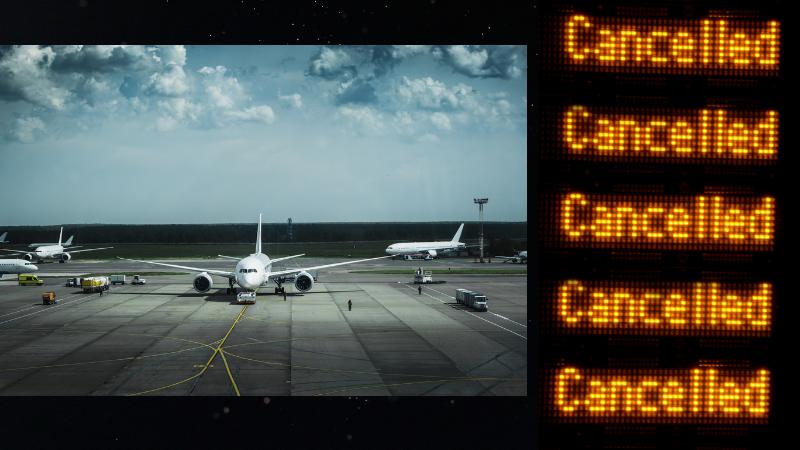
According to the Federal Aviation Administration (FAA), more than 400 flights were delayed by Thursday evening, with over 200 flights outright canceled. The delays have persisted into Friday, with 48 flights reported delayed and 16 canceled as of the early morning hours. These numbers reflect the compounding impact of infrastructure issues and limited staffing, which are both straining airport operations.
At the center of the disruption is a resurfacing project underway on one of Newark’s three main runways. Runway maintenance is a routine but essential part of airport management, and when even one runway is closed, it can significantly slow down takeoffs and landings. The result has been a bottleneck that is now affecting not only Newark but also ripple effects across other parts of the air travel network.
Another key factor contributing to the slowdown is a shortage of air traffic controllers. The FAA has confirmed that staffing levels are currently below the optimal threshold, limiting how many flights can safely be managed at a given time. This is not a new issue for U.S. airports, but the combination of an infrastructure project and personnel limitations has created a perfect storm of travel disruption.
Inside Terminal B at Newark Liberty, departure and arrival boards are being closely monitored by a steady stream of concerned travelers. Passengers are seen refreshing airline apps, speaking with airline staff, and exploring alternate flight options to other nearby airports such as JFK or LaGuardia. For many, the frustration is compounded by uncertainty, especially with flights being delayed only to be canceled later in the day.
However, some airlines have responded with flexibility, allowing travelers to rebook flights without incurring additional fees. For those whose plans were affected, this has provided a small but welcome relief. Yet, not all passengers have been so fortunate, with many describing long customer service queues and limited options for timely rebooking.
The recent disruptions come on the heels of a ground stop issued on Monday, also at Newark Airport. That incident was attributed to an equipment malfunction, which caused severe delays and resulted in aircraft holding patterns for hours over the airport or diversions to other cities. The cumulative effect of back-to-back operational issues has further strained passenger patience and airline resources.
Travel experts suggest that while runway maintenance is necessary for long-term safety and operational efficiency, better coordination and communication could help minimize the travel chaos. Some passengers have expressed frustration over the lack of timely updates or clarity regarding their flights, adding that more proactive communication from airlines and airport authorities would have helped ease the confusion.
The FAA has not provided a timeline for when staffing levels will improve or when full runway functionality will be restored. In the meantime, Newark Liberty Airport travelers are advised to check with their airlines frequently, arrive at the airport with extra time, and be prepared for continued delays through the weekend. With peak summer travel season approaching, the situation at Newark may serve as a warning for other major airports facing similar challenges.
This series of events underlines ongoing vulnerabilities in the U.S. aviation system, where infrastructure upgrades, personnel shortages, and unforeseen technical issues can combine to create major disruptions. Passengers planning to travel through Newark in the coming days are urged to remain flexible, monitor updates closely, and consider alternate airports or transportation methods when possible.