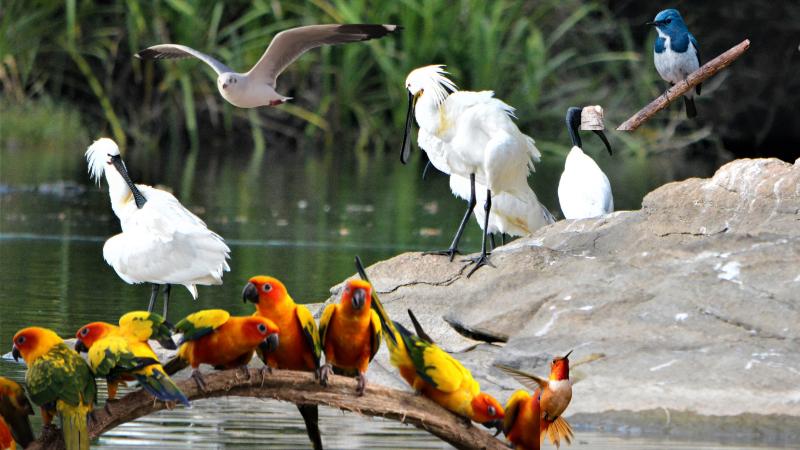
In the coming nights, weather conditions will align to create optimal migration patterns for a wide variety of bird species. Forecasts indicate light winds and cooler temperatures, which are ideal conditions for long-distance bird flights. Tracking estimates suggest that the skies above Chicago could host more than 16,000 birds per square kilometer each hour during peak times. These figures place the region on high alert, especially during the critical overnight hours when migration activity is most intense.
Bird migration in this part of the country generally peaks in mid-to-late May. During this period, Illinois serves as a major route for millions of birds moving toward their northern breeding grounds. Chicago, with its strategic location along a major inland body of water and diverse ecological environments, becomes a vital corridor. Experts estimate that more than eight million birds pass through the area each spring alone. These birds include visually stunning and ecologically important species such as Baltimore Orioles, Indigo Buntings, Chestnut-sided Warblers, and American Redstarts. They are part of a larger group of neotropical migrants, birds that breed in North America and winter in Central and South America. Their journeys span thousands of miles, and Chicago serves as both a rest stop and a hazard, depending on how well the urban landscape accommodates their needs.
Nighttime presents particular challenges. Between 11 p.m. and 6 a.m., skies fill with high volumes of migrating birds. Artificial lights from tall buildings and homes can disorient them, often causing fatal collisions. In response, residents and building managers across the Chicago area are being asked to take precautionary steps. These include turning off decorative lighting, dimming unnecessary fixtures, and closing blinds to reduce the amount of visible indoor lighting.
Such initiatives have proven effective. One standout example is a prominent lakeshore building that once ranked among the most hazardous to birds due to its glass surfaces and illumination. Recent efforts to mitigate bird strikes included the installation of more than three million small dots on its windows, designed to make the glass more visible to birds in flight. These modifications have led to a significant drop in bird collisions with the structure. This migration alert serves as more than just a warning; it is a call to action. Every small measure taken by individuals can make a tangible difference. Turning off lights for a few hours or installing bird-friendly window patterns might seem minor, but such steps are vital in preserving bird populations already challenged by habitat loss, climate change, and environmental stressors.
The spectacle of migration is also a gift to local birdwatchers, who often await this period with anticipation. With species like the Indigo Bunting and the American Redstart making appearances, it's an exciting time for seasoned birders and novices alike. But it’s also a reminder of the delicate balance between urban development and nature.
This spring, as the skies fill with flapping wings and fleeting silhouettes, Chicagoans have a rare opportunity to witness a breathtaking natural process while also participating in its preservation. Reducing light pollution, remaining alert to migration conditions, and spreading awareness are all part of ensuring that future generations can continue to enjoy these seasonal migrations for years to come.