Customers can expect their average monthly water bill to increase by approximately $8, with wastewater bills rising just over $4. The additional revenue will be directed toward modernizing vital parts of the water system and investing in climate-resilient infrastructure to ensure long-term service reliability.
The utility plans to undertake $1.2 billion in wastewater infrastructure improvements within the next two years. This marks the beginning of a $5.6 billion investment strategy spread across the next decade. Included in the long-term plan are significant allocations for water treatment and distribution upgrades—$713 million for new treatment facilities and $1.7 billion for replacing old pipelines.
Much of the existing water infrastructure was installed over a century ago, and in some areas, original components are still in place. Upgrading this system is necessary to prevent frequent breakdowns, reduce emergency repair costs, and improve the reliability of service for residents and businesses. Once complete, officials estimate these improvements will sustain the region’s needs for approximately 50 years without requiring further large-scale overhauls.
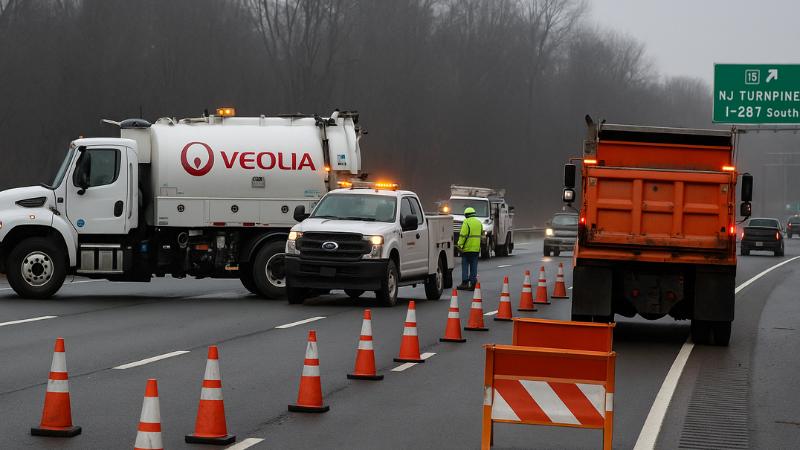
A key part of the plan includes speeding up the replacement of the utility’s 4,200 miles of aging water pipes. Currently, crews are often forced to repair the same deteriorating sections repeatedly. Replacing these lines proactively is considered a more effective and less disruptive approach to managing the system.
Additionally, the revenue will fund the construction of advanced water treatment facilities. These facilities will use ultraviolet light and chlorine to treat water from alternative sources, such as the Sacramento River, during times of drought. This technology will help ensure that water quality remains consistent, regardless of the source, addressing past customer complaints about changes in taste during drought-related diversions.
During severe droughts, when water from the utility’s primary source is insufficient, alternative supplies must be used to meet demand. New treatment systems are designed to make this transition seamless, both in terms of water quality and user experience. A public meeting is scheduled for June 10, where the proposed rate changes and budget will be reviewed. If approved, the first 6.5% rate hike will take effect on July 1 of this year, with a second 6.5% increase scheduled for July 1, 2026.
Officials stress that the timing is critical. Upgrading the water system now is seen as a proactive step to prevent future failures, maintain service reliability, and address evolving environmental challenges. The planned improvements reflect a forward-looking investment in the region’s infrastructure to support growth, safety, and sustainability for decades to come.