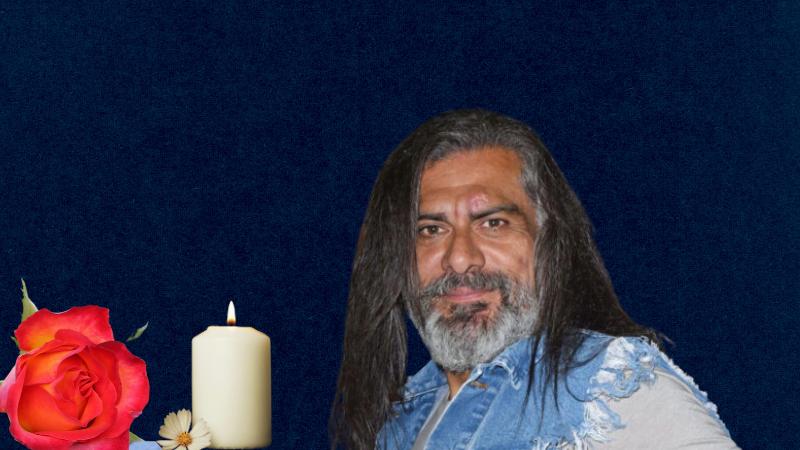
Veteran television and film actor Jonathan Joss, renowned for his culturally significant and memorable performances, was tragically shot and killed on Sunday in San Antonio, Texas, following a heated altercation with a neighbor. The 59-year-old actor, best known for voicing John Redcorn in the animated series "King of the Hill" and portraying Chief Ken Hotate in "Parks and Recreation," was involved in a verbal confrontation that escalated fatally. According to the San Antonio Police Department and eye-witnesses, the suspect, 37-year-old Sigfredo Alvarez-Cega, pulled out a firearm during the dispute and fired multiple rounds at Joss, who sustained critical injuries. Despite prompt emergency response, the actor was pronounced dead at the scene as paramedics were unable to revive him.
Following the shooting, Alvarez-Cega fled the area by car, sparking a swift and intensive manhunt by local authorities. Officers, working with a clear vehicle description provided by witnesses, apprehended the suspect just a block away from where the shooting took place. He was arrested and charged with murder, and a bond has been set at $200,000. As of now, law enforcement officials continue to investigate the details surrounding the confrontation, including any prior history of conflict between Joss and Alvarez-Cega. The exact motive remains unknown, and authorities have yet to confirm whether the dispute was ongoing or if this was an isolated incident that turned deadly.
Jonathan Joss leaves behind a legacy that stretches across decades of work in the entertainment industry, often bringing Indigenous narratives and characters to mainstream attention. Through his portrayal of John Redcorn, he became a prominent voice in animated television, and his recurring role as Chief Ken Hotate offered both humor and cultural insight in a widely watched series. His on-screen contributions extended beyond these roles, with appearances in a number of television dramas and feature films, where he consistently brought depth and dignity to his performances. His efforts were instrumental in increasing Native American representation in Hollywood and inspiring a new generation of Indigenous actors.
The news of his untimely death has been met with an outpouring of grief and tributes from fans, colleagues, and communities across the country. Many have taken to social media to express their condolences and share memories of Joss's powerful work and presence, both on-screen and in public appearances. He was widely respected not only for his acting talent but also for his advocacy and pride in his heritage, often using his platform to highlight Indigenous voices and stories that are too often marginalized in the entertainment world.
Joss's death has also reignited discussions around neighborhood violence, gun control, and the fragility of public safety, particularly in cities experiencing rising tensions among residents. His sudden passing serves as a stark reminder of how quickly a confrontation can turn fatal and the profound losses that result from such violence. Friends, fellow actors, and admirers have emphasized that Joss was not only a gifted performer but also a warm, grounded individual who remained connected to his roots and community.
As the investigation continues, many are calling for justice and greater awareness around the broader social issues that this tragedy brings to light. The life and career of Jonathan Joss will be remembered not only for the characters he portrayed but for the way he carried his identity with honor and grace in an industry that often falls short in authentic representation. His absence will be deeply felt, but his contributions will endure, shaping the path for future actors and storytellers.