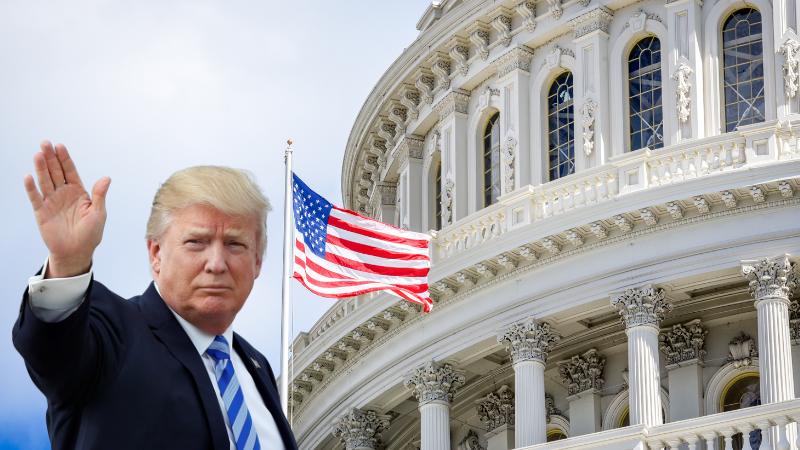
In a major escalation of his position on the ongoing Russia-Ukraine war, US President Donald Trump has privately encouraged Ukrainian President Volodymyr Zelenskyy to consider launching long-range strikes deeper into Russian territory, including Moscow, using American-supplied weapons. According to individuals familiar with the matter, the conversation reportedly took place between the two leaders on July 4, signaling a notable shift in Trump’s foreign policy approach and his campaign-era promise to minimize American involvement in overseas conflicts.
While previous rhetoric from Trump often centered around calls for swift negotiation and disengagement, recent developments show a hardening of stance against Russia’s prolonged military actions in Ukraine. Sources with knowledge of the talks suggest that Trump asked Zelenskyy whether Ukrainian forces were in a position to use advanced long-range US weaponry to launch strategic counterattacks inside Russia, including possible strikes on the Russian capital. This suggestion, if acted upon, would represent a significant escalation and could redefine the military dynamics of the ongoing war.
This more assertive position from the US President was echoed again on Monday during a meeting at the White House with NATO Secretary General Mark Rutte. In a public address, Trump issued a warning to Moscow, stating that Russia had 50 days to negotiate a ceasefire and peace deal with Ukraine or face sweeping new economic penalties. “We’re going to be doing very severe tariffs if we don’t have a deal in 50 days,” he said. “Tariffs at about 100 percent.” The President described the move as necessary to break Russian resistance and punish its continued aggression.
These would not be ordinary tariffs. Trump emphasized that they would be secondary in nature, targeting not only Russian goods directly but also companies and nations that continue to do business with Moscow. The aim, according to Trump, is to choke off residual trade flows that allow the Russian economy to stay afloat despite the existing sanctions regime. Russia’s top trade partner remains China, which accounts for over one-third of its foreign trade. Other key partners include India, Turkey, and Belarus.
The potential imposition of secondary sanctions would significantly widen the scope of US economic pressure, placing additional strain on global trade networks linked to Russia. Critics argue that this could provoke retaliatory measures or further complicate geopolitical alignments, particularly with nations that have taken a neutral or balanced stance in the conflict.
In the same meeting, Trump and NATO Secretary General Rutte jointly announced a new arms transfer program in which NATO would purchase billions of dollars' worth of American-made weaponry to support Ukraine. This package reportedly includes advanced air defense systems such as the Patriot missile batteries, with the goal of enhancing Kyiv’s defense capabilities and helping it maintain pressure on Russian military forces. Trump framed the deal as not only a measure of transatlantic solidarity but also as an opportunity for the US defense sector to support the broader goals of regional stability and deterrence.
Observers note that this new approach from Trump marks a clear pivot away from earlier skepticism about NATO and foreign aid. Instead, he now appears to be doubling down on both economic and military tools to isolate Russia and accelerate an end to the war. This comes amid growing criticism in Washington over the lack of progress in the conflict and mounting humanitarian and economic costs on all sides.
For Ukraine, the public and private backing from Washington may offer renewed strategic confidence, particularly as the war continues to stretch beyond two years with no clear resolution in sight. However, increased attacks deep within Russian territory could also provoke severe retaliation, and some analysts warn that encouraging such actions carries serious risks of wider escalation.
The international community remains closely focused on any signals coming out of Washington, especially as Trump’s 50-day deadline sets a new timeline for potential action. Whether Moscow will respond to this ultimatum with diplomatic engagement or further defiance remains uncertain. What is clear, however, is that the tone of US policy has become sharper, and American involvement in the conflict is likely to remain a decisive factor in shaping the outcome on the battlefield and at the negotiating table.