Shocking Allegations of Mass Burials in Dharmasthala Temple: Whistleblower Reveals Disturbing Details
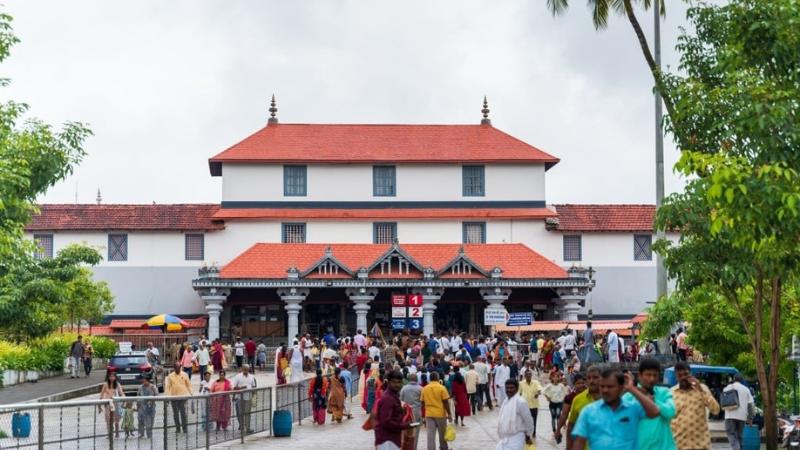
The small temple town of Dharmasthala in Karnataka, known for its religious significance, has found itself at the center of shocking allegations involving mass burials, sexual assault, and murder. The case came to light when a 48-year-old Dalit man, who had worked as a sanitation worker at the Sri Dharmasthala Manjunatheshwara Temple, emerged from hiding after 12 years. The man, burdened with guilt and fear, revealed disturbing details about the murders he witnessed and the bodies he was forced to bury between 1995 and 2014.
In a statement given to the police in early July, the whistleblower shared that he had been coerced into burying hundreds of bodies, including women, girls, and destitute men. Many of the bodies he encountered showed signs of sexual assault, strangulation, or acid burns. Some victims were reportedly minors, and the nature of the abuse was deeply troubling. He claimed that threats to his life and his family’s safety compelled him to comply with these orders, often under duress and violence.
The whistleblower’s testimony has shaken the public and drawn widespread attention. In response, the Karnataka government formed a Special Investigation Team (SIT) on July 19, 2025, to probe the grave allegations. This team, led by Director General of Police (DGP) Pronab Mohanty, will investigate the whistleblower's claims and look into the possibility of mass murders and systematic cover-ups in Dharmasthala. The SIT is expected to exhume bodies from burial sites, some of which the whistleblower has indicated, and conduct forensic tests to confirm the nature of these deaths.
In his statement, the man mentioned that some bodies had been burned using diesel, eliminating any traces of the crimes. He expressed his readiness to undergo polygraph tests and provide additional information about burial sites to aid the investigation. Despite the overwhelming mental torture he had endured, the whistleblower stated that his conscience no longer allowed him to stay silent. In 2014, after witnessing the sexual harassment of a family member by one of the temple’s supervisors, the man fled with his family, seeking refuge in a neighboring state.
The case has left the community in disbelief, as this temple town, revered for its spiritual importance, has now become a site of horrific revelations. The whistleblower’s courage to come forward after years of living in fear has sparked a public outcry, demanding justice for the victims, whose identities remain unknown. Activists are rallying behind the whistleblower, urging the authorities to act swiftly and ensure that justice is served.
As the investigation unfolds, many questions remain unanswered. How many more victims are there? What role did the temple authorities play in these alleged crimes? And most importantly, will justice be delivered for the victims of these alleged atrocities? The investigation by the SIT is crucial to uncover the truth and bring closure to the families affected by these heinous acts. This case highlights the need for accountability and transparency in the face of serious criminal allegations, and it serves as a reminder of the importance of protecting whistleblowers and ensuring that justice prevails.