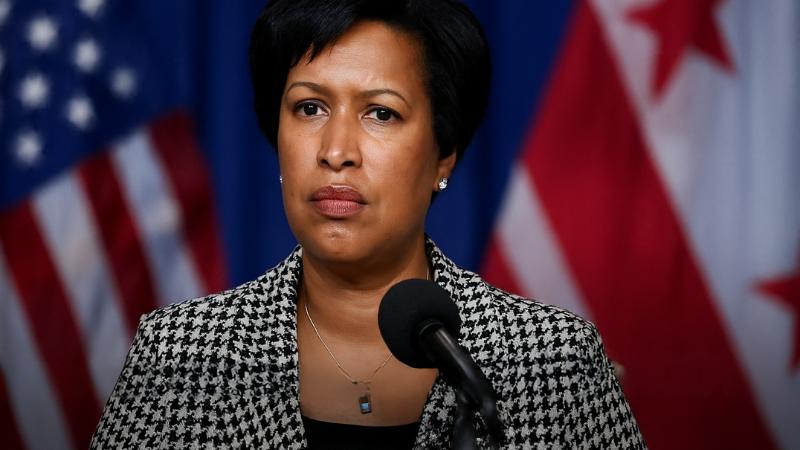
As President Donald Trump’s 30 day emergency control of Washington D.C.’s Metropolitan Police Department comes to an end, Mayor Muriel Bowser announced that the force will return to a pre emergency status quo. This means the department will no longer be working with Immigration and Customs Enforcement, a practice that had been introduced under federal control despite not being part of the agency’s usual responsibilities. Bowser reiterated that immigration enforcement is not a function of the local police and would not continue beyond the scope of the emergency order.
Trump invoked Section 740 of the Home Rule Act on August 11, granting him the authority to compel the mayor to assign MPD resources for federal purposes for up to 30 days. The official rationale for this decision was to address violent crime in the nation’s capital, but in practice the emergency period saw hundreds of immigration related arrests. The emergency authority expires at 11:59 p.m. on Wednesday, formally ending the federal control over the city’s police force.
During the emergency, Police Chief Pamela Smith issued an executive order authorizing limited cooperation between MPD and ICE. This was a departure from the city’s long standing policy of keeping local law enforcement separate from federal immigration enforcement. That order, however, was tied to the emergency authority and will expire once the federal control is lifted. Bowser made it clear that the city would not carry over those changes, emphasizing that MPD’s role is to focus on public safety in the community rather than federal immigration issues.
While the cooperation with ICE is set to end, federal agencies themselves will continue to operate in Washington as they normally do. Bowser noted that immigration enforcement activities will not cease entirely, but local police officers will no longer provide assistance or share information with federal immigration authorities. For residents and advocates who criticized the sudden alignment between MPD and ICE during the emergency, this marks a return to the city’s prior policies.
The federal presence in the District, however, is not going away completely. The National Guard, which was also activated as part of broader federal measures, will remain in the city through at least late November after the Trump administration extended its deployment orders. Bowser said she did not expect federal law enforcement or the National Guard to disappear immediately even as the emergency designation comes to an end. Their continued presence underscores the ongoing debate about the balance of local and federal control in the nation’s capital.
The 30 day takeover drew significant attention because it highlighted how quickly local policies could be reshaped under federal authority. Immigration arrests became a prominent feature of the emergency, despite the justification of reducing violent crime. For critics, this blurred the lines between public safety efforts and political agendas. Supporters of the federal intervention argued that the city needed stronger action to address rising crime rates, though the extent of immigration enforcement activities fueled ongoing controversy.
With the conclusion of Trump’s emergency powers over MPD, the city prepares to navigate a return to local governance of its police. Bowser has positioned this as a necessary step to reaffirm Washington’s control over its own law enforcement priorities. She also framed the end of ICE cooperation as central to maintaining trust between the city’s immigrant communities and the local police force. By drawing a line between federal immigration policies and city policing, officials hope to prevent fear that could discourage residents from reporting crimes or engaging with law enforcement.
The episode has left lingering questions about how much autonomy the District truly has when federal authorities can step in under legal provisions like the Home Rule Act. It has also highlighted tensions between local officials and the federal government over law enforcement priorities in Washington. As the city moves beyond the 30 day period, the long term impacts on public trust, community relations, and crime prevention strategies remain to be seen.
For now, the end of the emergency means a return to policies that place community safety above federal immigration enforcement, a change welcomed by city officials who see their responsibility as ensuring stability and security for all residents of Washington D.C.